






Introduction
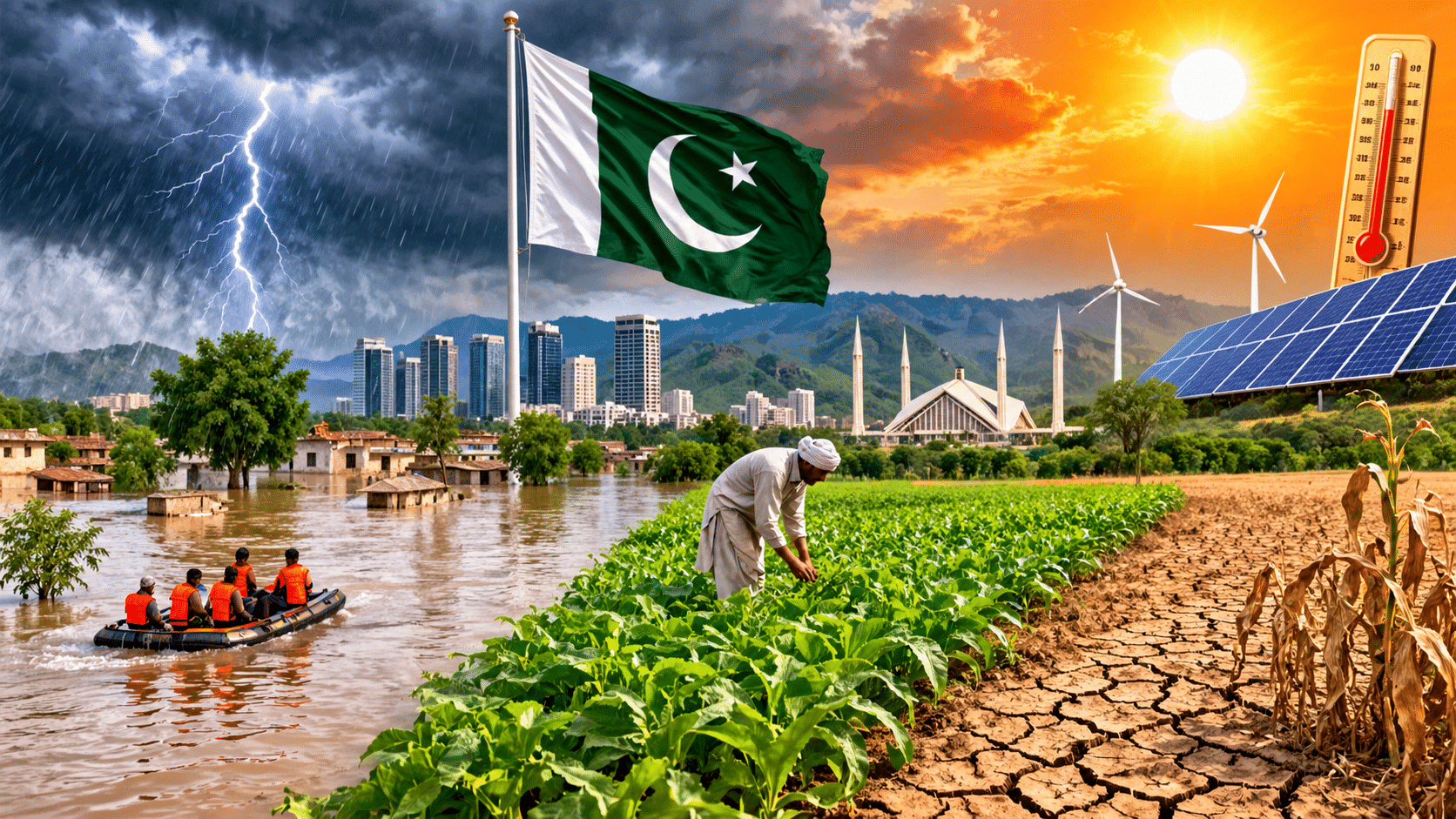
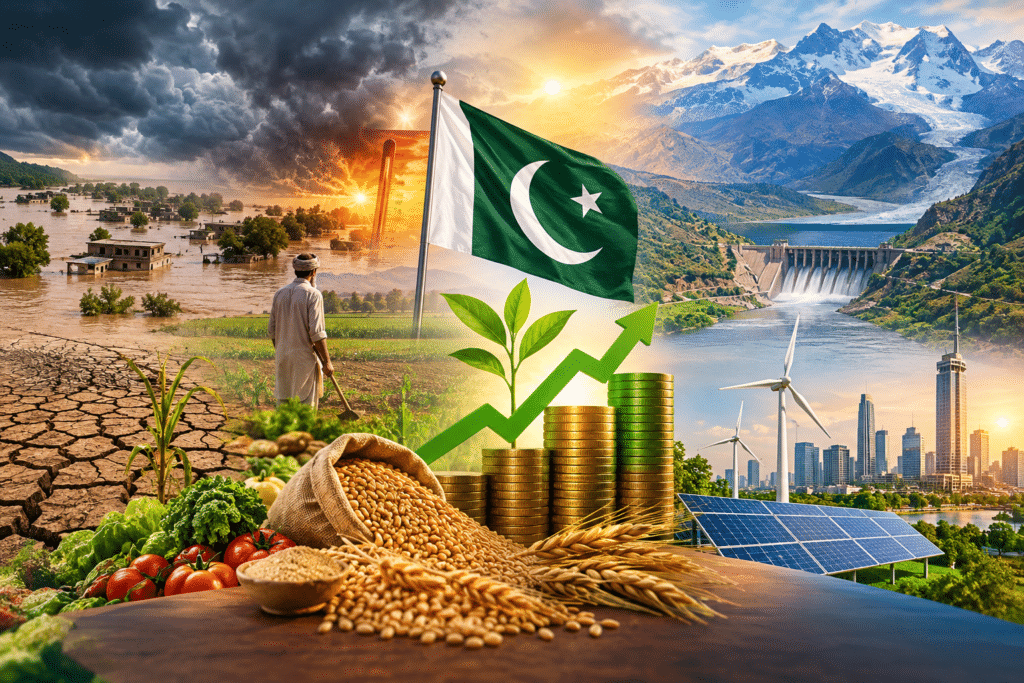
Climate Change and the Pakistan Economy in 2026 is an increasingly important issue because environmental changes are directly affecting agriculture, infrastructure, energy, employment, public finances, and household incomes. Pakistan is highly exposed to climate-related hazards, including floods, extreme heat, droughts, water shortages, and changing rainfall patterns.
In 2026, climate change is no longer only an environmental concern. It is also an economic challenge that can influence production costs, food prices, government spending, investment decisions, and the country’s long-term development.
Pakistan’s economy depends heavily on climate-sensitive sectors. Agriculture provides livelihoods to millions of people, while water availability affects farming, energy production, industries, and urban communities. When extreme weather damages crops, roads, homes, livestock, or businesses, the economic consequences can continue long after the immediate disaster.
How Climate Change Is Affecting the Pakistan Economy in 2026
The relationship between Climate Change and the Pakistan Economy in 2026 can be seen across almost every major economic sector. Extreme weather can reduce agricultural production, damage infrastructure, interrupt supply chains, increase healthcare costs, and create additional pressure on government budgets.
For a developing economy such as Pakistan, repeated climate-related disasters can make economic recovery more difficult. Money that could otherwise be used for education, healthcare, infrastructure, or development may need to be redirected toward emergency relief and reconstruction.
Climate change can also increase uncertainty for businesses. Companies may face higher insurance costs, damaged facilities, interrupted transportation, water shortages, or unreliable electricity supplies.
1. Agriculture Under Climate Pressure
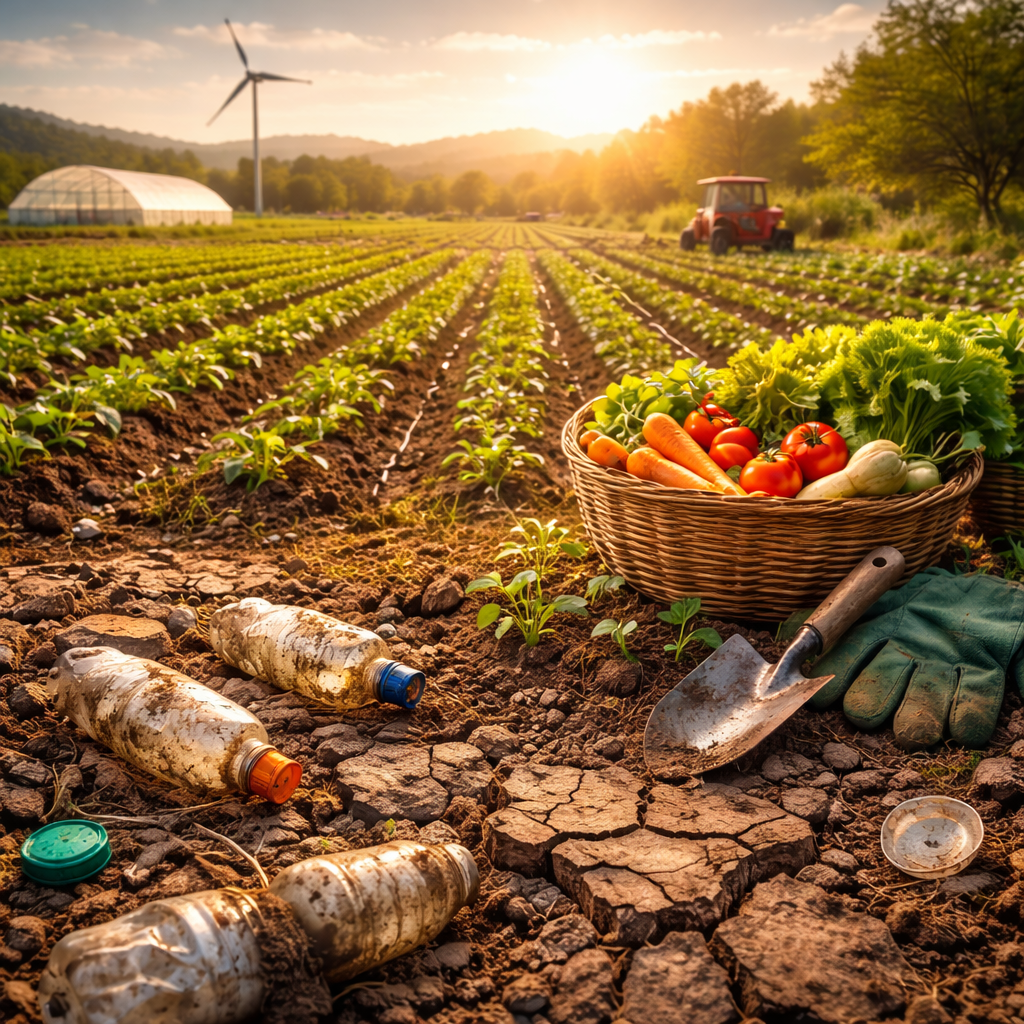
Agriculture is one of the sectors most exposed to Climate Change and the Pakistan Economy in 2026. Pakistan’s farmers depend heavily on predictable temperatures, rainfall, irrigation water, and seasonal weather conditions. Climate change can disturb these patterns.
Higher temperatures can reduce crop productivity, while excessive rainfall and flooding can destroy standing crops. On the other hand, drought conditions can reduce water availability and increase irrigation costs.
Lower crop production may reduce farmers’ incomes and contribute to higher food prices. Food-processing industries, transport companies, wholesalers, and retailers can also be affected.
What Can Help Farmers?
Pakistan can strengthen agricultural resilience through:
- Climate-smart farming techniques
- Efficient irrigation systems
- Drought- and heat-resistant crop varieties
- Better weather forecasting
- Crop diversification
- Improved agricultural insurance
- Rainwater harvesting
- Soil conservation
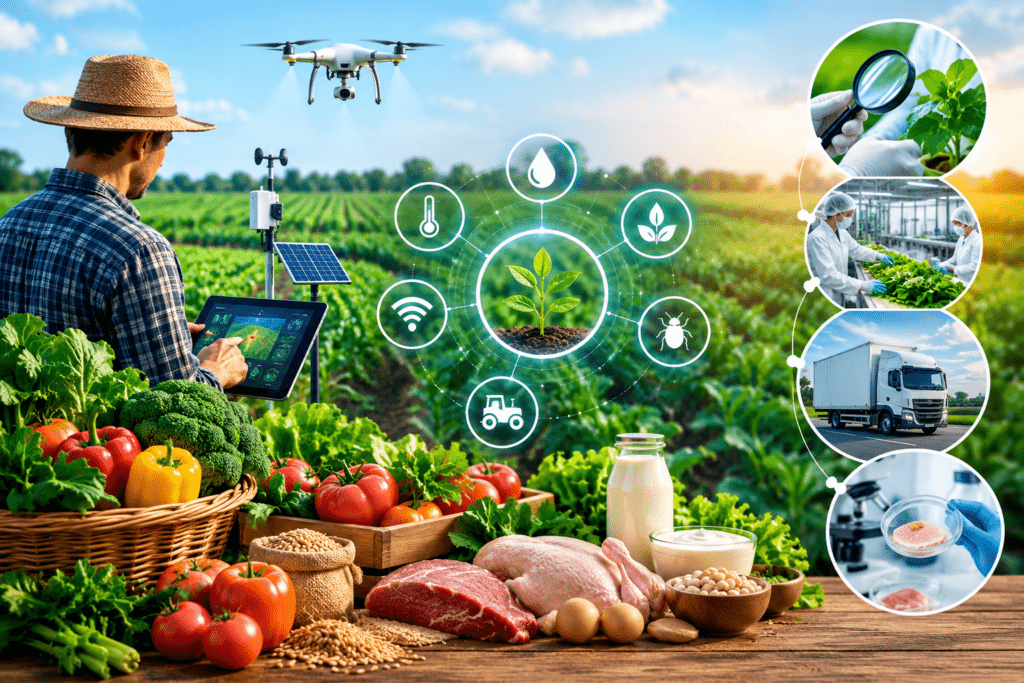
- Digital farming technologies
Investing in resilient agriculture can reduce the long-term economic impact of climate change.
2. Floods and Infrastructure Damage
Flooding is another major connection between Climate Change and the Pakistan Economy in 2026. Extreme rainfall and river flooding can damage roads, bridges, railway networks, homes, schools, hospitals, agricultural land, and businesses.
Infrastructure damage creates both immediate and long-term economic costs. Businesses may temporarily close, transportation costs can increase, and communities can lose access to markets and essential services.
Rebuilding infrastructure also requires significant financial resources. If extreme events happen repeatedly, governments may struggle to finance reconstruction while maintaining other development programs.
Pakistan can reduce these risks by investing in climate-resilient infrastructure. Roads, bridges, drainage systems, dams, urban water networks, and public buildings should increasingly be designed with future climate risks in mind.
3. Rising Food Prices and Inflation
Another important part of Climate Change and the Pakistan Economy in 2026 is its potential effect on inflation. When extreme weather reduces agricultural production, the supply of food can fall while demand remains strong.
Higher temperatures, water shortages, floods, and crop diseases can increase farming costs. Farmers may spend more on irrigation, seeds, fertilizers, pesticides, fuel, and recovery after disasters.
Higher food prices particularly affect low- and middle-income households because food represents a significant portion of household expenditure. Climate-resilient agriculture can therefore become an important part of Pakistan’s strategy for maintaining food security and controlling climate-related economic pressures.
4. Energy and Electricity Challenges
Energy is another major area where Climate Change and the Pakistan Economy in 2026 intersect. Extreme heat can increase electricity demand because households, offices, factories, and commercial buildings require more cooling.
At the same time, water availability can affect hydro-power generation. Changes in rainfall, droughts, and river flows may create challenges for water-based electricity generation.
Pakistan can reduce some of these risks by expanding renewable energy, improving energy efficiency, modernizing electricity networks, and encouraging distributed solar power where appropriate.
A stronger and more diversified energy system can help businesses operate more reliably and reduce vulnerability to climate-related disruptions.
5. Impact on Employment and Workers
The effects of Climate Change and the Pakistan Economy in 2026 are also visible in the labor market. Workers in agriculture, construction, transport, fisheries, and other outdoor occupations can face increasing exposure to extreme heat.
Very high temperatures can reduce productivity and make outdoor work dangerous. Workers may need more frequent breaks, shorter working periods, or changes in working hours. Climate disasters can also temporarily or permanently eliminate employment opportunities when farms, factories, shops, and businesses are damaged.
Pakistan can respond by strengthening workplace heat-safety policies, improving early-warning systems, expanding social protection, and creating new employment opportunities in renewable energy, environmental management, sustainable agriculture, and climate-resilient construction.
6. Climate Change and Public Finances
Government finances can come under pressure because of Climate Change and the Pakistan Economy in 2026. After floods, heatwaves, droughts, or other disasters, governments may need to spend large amounts on emergency assistance, infrastructure repairs, healthcare, housing, and rehabilitation.
Repeated disasters can increase fiscal pressure and make long-term economic planning more difficult. Climate-resilient investment can help reduce future costs. Spending on flood protection, early-warning systems, water management, resilient infrastructure, and disaster preparedness may prevent much larger losses later.
This means climate adaptation should be viewed not only as environmental spending but also as an economic investment.
7. Water Security and Economic Growth
Water is central to Climate Change and the Pakistan Economy in 2026. Pakistan’s agriculture, energy production, industries, and cities all depend on reliable water supplies. Climate change can make water availability more unpredictable.
Glacier changes, shifting rainfall patterns, droughts, floods, and rising temperatures can complicate water management. Improving water efficiency should therefore be a national economic priority.
Farmers can benefit from modern irrigation technologies, while cities can reduce water losses through better distribution systems and wastewater management. Industries can also adopt water-efficient production processes.
8. Businesses and Private Investment
The private sector has an important role in addressing Climate Change and the Pakistan Economy in 2026. Businesses can face financial losses when extreme weather disrupts production or damages assets. However, companies can reduce these risks by developing climate-resilience strategies. Businesses can:
- Protect important infrastructure
- Develop emergency response plans
- Diversify supply chains
- Improve water and energy efficiency
- Use renewable energy
- Assess climate-related financial risks
- Invest in sustainable technologies
- Train employees for extreme weather conditions
Climate-conscious businesses may also find new opportunities in clean energy, recycling, sustainable agriculture, electric mobility, water management, and green construction.
9. Opportunities from a Green Economy
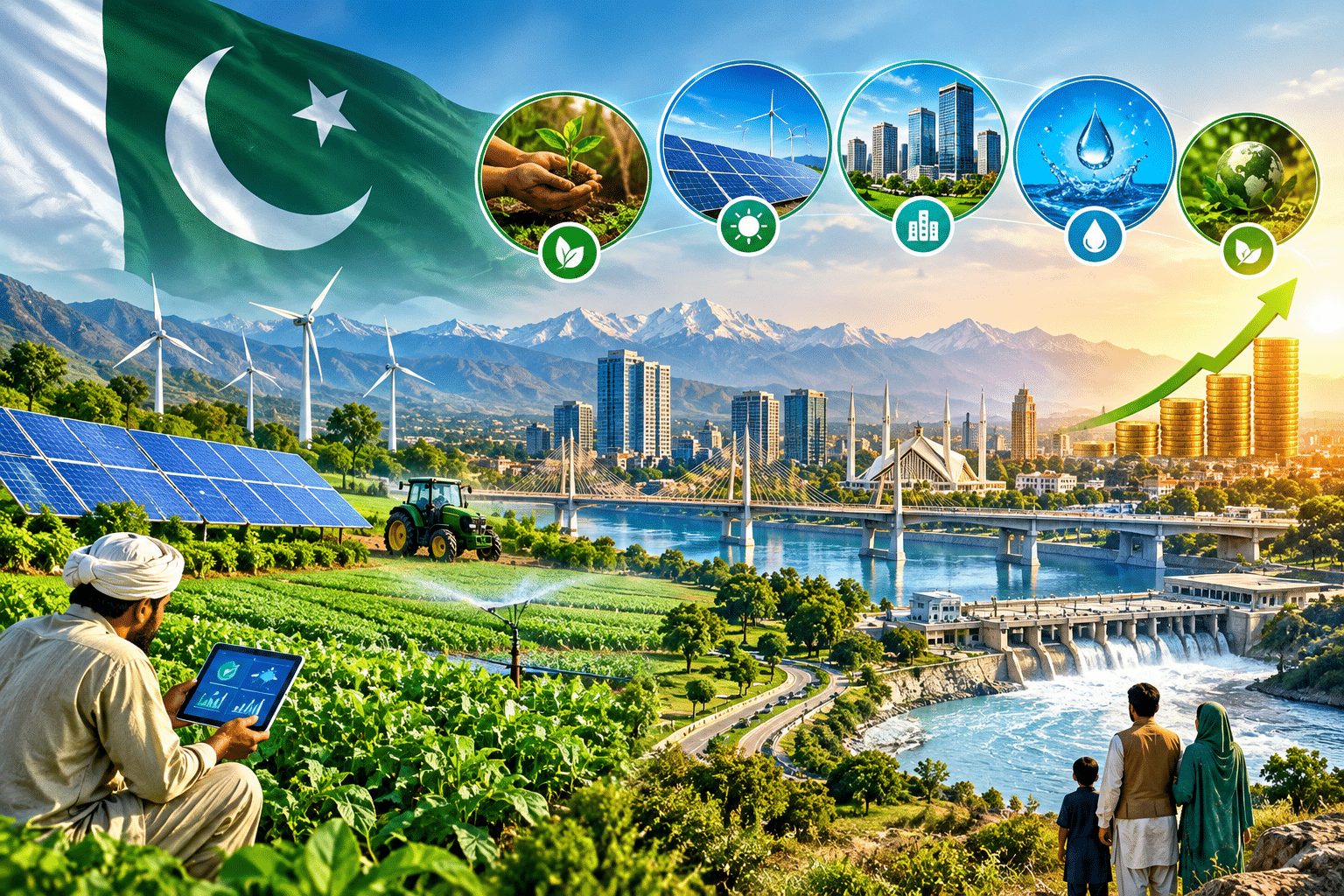
Although Climate Change and the Pakistan Economy in 2026 presents significant risks, it can also create economic opportunities. A transition toward a greener economy could generate new businesses and jobs. Potential growth areas include:
1. Renewable Energy
Solar, wind, and other renewable energy technologies can help diversify Pakistan’s energy system.
2. Sustainable Agriculture
Modern agricultural technology can help farmers produce more efficiently while using fewer resources.
3. Green Construction
Energy-efficient buildings can reduce electricity consumption and operating costs.
4. Waste Management
Recycling, composting, and waste-to-resource businesses can create employment while reducing environmental pollution.
5. Climate Technology
Digital tools, satellite monitoring, weather forecasting, sensors, and artificial intelligence can help governments and businesses identify climate risks earlier.
10. Role of Technology in Climate Resilience
Technology can become an important tool for managing Climate Change and the Pakistan Economy in 2026. Artificial intelligence, satellite imagery, weather forecasting, geographic information systems, and digital agriculture can help identify climate risks.
For example, farmers can use weather information to make better decisions about planting and irrigation. Authorities can use early-warning systems to prepare communities for floods and extreme weather.
Businesses can use climate-risk assessments to protect supply chains and infrastructure. Technology cannot eliminate climate change, but it can help Pakistan prepare for its economic consequences.
Pakistan’s Path Toward a Climate-Resilient Economy
A successful response to Climate Change and the Pakistan Economy in 2026 requires cooperation between government, businesses, communities, farmers, researchers, and international partners. Pakistan can strengthen economic resilience by focusing on several priorities:
- Invest in climate-resilient infrastructure
- Improve water management
- Support climate-smart agriculture
- Expand renewable energy
- Strengthen disaster preparedness
- Improve climate-related data and forecasting
- Protect vulnerable communities
- Encourage green investment
- Improve urban planning
- Develop climate-focused skills and employment
Long-term planning is especially important because climate resilience cannot be achieved through emergency responses alone.
The Future of Climate Change and the Pakistan Economy in 2026
The future relationship between Climate Change and the Pakistan Economy in 2026 will depend heavily on the decisions made today.
If Pakistan invests in resilience, efficient water management, clean energy, sustainable agriculture, disaster preparedness, and green technologies, climate risks can become more manageable.
If climate risks are ignored, repeated disasters could increase economic losses, food insecurity, infrastructure damage, unemployment, and fiscal pressure.
The transition will require investment, policy coordination, scientific research, public awareness, and private-sector participation. It will also require climate policies to be integrated into economic planning rather than treated as a separate environmental issue.