








Introduction
Workplace safety is a major priority for organizations across construction, manufacturing, healthcare, transportation, logistics, and other industries. Traditional safety measures, including personal protective equipment (PPE), safety inspections, training, and emergency procedures, remain essential. However, modern workplaces increasingly need faster ways to identify hazards and protect employees from preventable injuries.
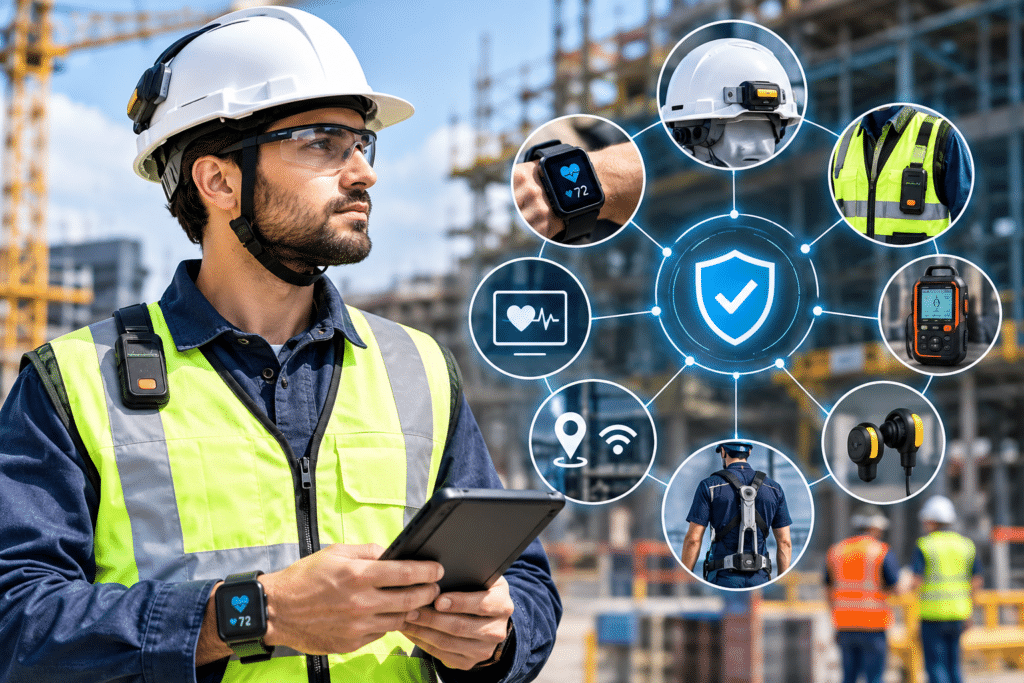
Wearable Technology for Workplace Safety is becoming an important part of modern occupational health and safety management. Smart helmets, connected safety vests, wearable sensors, smartwatches, and environmental monitoring devices help employers monitor workplace conditions and identify potential dangers before they result in serious accidents.
These technologies can measure indicators such as body temperature, heart rate, worker location, movement, noise exposure, and contact with hazardous gases. When integrated into an effective safety program, they can support early warnings, faster emergency responses, and better-informed safety decisions.
This article explores the benefits, risks, applications, and future trends of wearable technology in workplace safety.
Key Benefits of Wearable Technology for Workplace Safety
1. Early Detection of Workplace Hazards
One of the biggest advantages of Wearable Technology for Workplace Safety is the ability to detect certain hazards in real time.
For example, a connected gas detector can warn a worker when the concentration of a specific hazardous gas reaches a defined threshold. A wearable heat-stress monitor may identify warning signs that require a worker to rest, hydrate, or move to a cooler environment.
Early alerts give employees and supervisors an opportunity to respond before a dangerous situation becomes more serious.
However, wearable sensors only detect the hazards they are designed and calibrated to measure. They should complement environmental assessments, engineering controls, and established inspection procedures.
2. Improved Heat Stress Prevention
Workers in construction, agriculture, manufacturing, and outdoor maintenance may face dangerous heat conditions, particularly during hot weather.
Wearable sensors can help monitor selected physiological indicators and activity levels associated with heat strain. Combined with environmental measurements, these devices may help safety teams identify workers who need additional breaks or medical assessment. Employers can use wearable alerts alongside:
- Scheduled rest breaks.
- Access to drinking water.
- Shaded or cooled recovery areas.
- Acclimatization programs for new workers.
- Training on heat-related illnesses.
- Emergency response procedures.
Wearable monitoring should never be used as the only method of detecting heat illness because individual warning signs and device accuracy can vary.
3. Faster Emergency Response
In hazardous workplaces, an employee may fall, suffer an injury, or become unable to call for help.
Some wearable devices can detect sudden impacts, unusual inactivity, or a manually activated emergency signal. Depending on the system, alerts can include the worker’s location and the type of detected event.
This information may help emergency teams locate an employee more quickly, especially in large warehouses, remote construction sites, or industrial facilities.
Employers must test alert systems regularly and establish clear procedures for responding to warnings.
4. Reduced Risk of Musculoskeletal Injuries
Lifting heavy objects, bending repeatedly, and maintaining awkward postures can contribute to musculoskeletal disorders.
Wearable motion sensors can identify movement patterns associated with physically demanding tasks. Some systems provide feedback when employees repeatedly use potentially risky postures.
Exoskeletons may also provide support during selected lifting or repetitive activities. Nevertheless, their effectiveness depends on the task, device design, correct fitting, and proper training.
5. Better Safety Awareness and Training
For example, anonymized movement data may reveal that a particular task frequently involves awkward reaching or repeated bending. Safety trainers can use these findings to improve demonstrations and workplace procedures.
Wearables can also support location-based warnings in restricted areas or near certain hazards.
The goal should be to help workers understand risks and improve safety practices, rather than punish employees for every alert or movement.
6. Improved Compliance and Safety Management
Wearable systems can generate records of selected environmental exposures, equipment alerts, and safety events. These records may help organizations identify recurring problems and evaluate preventive measures.
For example, exposure monitoring may reveal that employees in a particular department regularly experience excessive noise. Employers can then investigate the source and improve noise controls. However, wearable data alone does not prove legal or regulatory compliance.
Risks and Challenges of Wearable Technology
Although Wearable Technology for Workplace Safety offers important advantages, organizations must understand its limitations before adopting it.
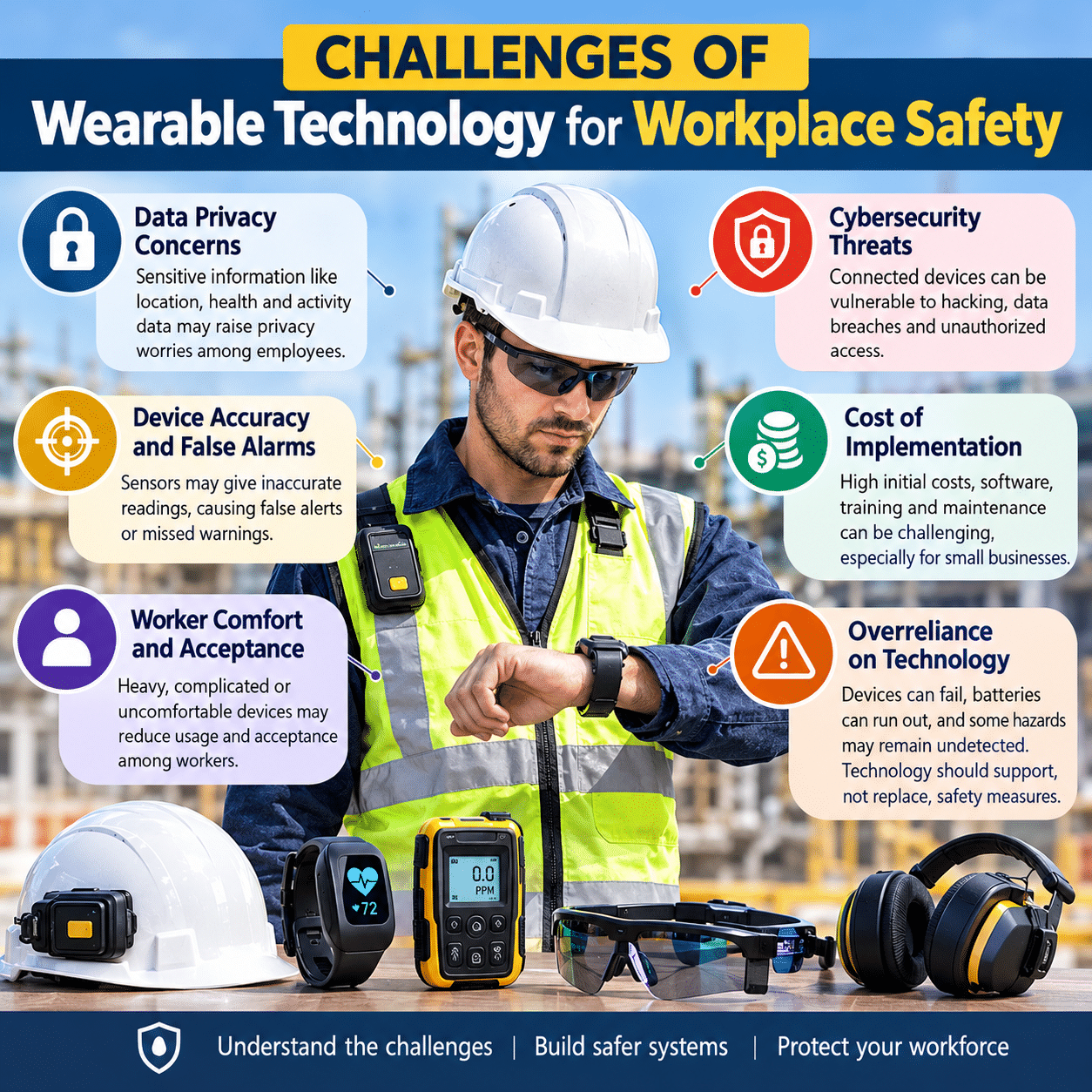
1. Data Privacy Concerns
Wearables may collect sensitive information, including location, activity patterns, physiological measurements, and working hours.
Employees may worry that employers will use this information to monitor breaks, evaluate productivity unfairly, or make employment decisions based on health-related data.
Organizations should establish transparent policies explaining what information is collected, why it is needed, who can access it, and how long it will be retained.
Data collection should be limited to legitimate safety purposes, with appropriate access controls and safeguards.
2. Cybersecurity Threats
Connected wearable devices may communicate with mobile applications, cloud platforms, and company networks. Weak passwords, insecure connections, outdated software, or poorly managed permissions can create cybersecurity risks.
If a safety system is compromised, sensitive information could be exposed or important alerts could be disrupted.
Employers should select reputable vendors, apply security updates, use appropriate encryption, restrict access, and include wearable devices in their wider cybersecurity risk assessments.
3. Device Accuracy and False Alarms
Wearable sensors do not always provide perfectly accurate results. Readings may be affected by poor positioning, damaged components, environmental conditions, battery problems, or incorrect calibration.
False alarms may interrupt work, while missed alerts may create a dangerous sense of security.
Devices should be tested, maintained, calibrated where required, and evaluated under realistic working conditions. Employees must understand that a wearable alert is a warning tool, not a substitute for judgment or established emergency procedures.
4. Cost of Implementation
Purchasing wearable devices is only one part of the total investment.
Organizations may also need to pay for software subscriptions, charging equipment, network infrastructure, employee training, repairs, replacement devices, and technical support.
Small businesses may find large-scale implementation difficult.
A practical approach is to begin with a pilot program focused on one clearly identified hazard, evaluate measurable results, and expand only when the benefits justify the costs.
5. Worker Comfort and Acceptance
Heavy, uncomfortable, or complicated devices can interfere with normal work. Some employees may also worry about being constantly monitored.
Organizations should involve workers in the selection process, provide clear explanations, and test devices during actual work activities.
Equipment must fit correctly, remain compatible with existing PPE, and avoid introducing new hazards such as snagging, distraction, or restricted movement.
6. Overreliance on Technology
A wearable device cannot prevent every workplace accident. Sensors may fail, batteries may run out, connectivity may disappear, and some hazards may remain undetected.
Employers should follow the hierarchy of controls: eliminate hazards where possible, substitute dangerous processes, apply engineering controls, use administrative measures, and provide appropriate PPE.
Wearable Technology for Workplace Safety should strengthen this system rather than become the primary defense against serious hazards.
How to Implement Wearable Technology Successfully
Organizations can improve the effectiveness of wearable safety programs by following a structured implementation process.
Step 1: Identify Workplace Hazards
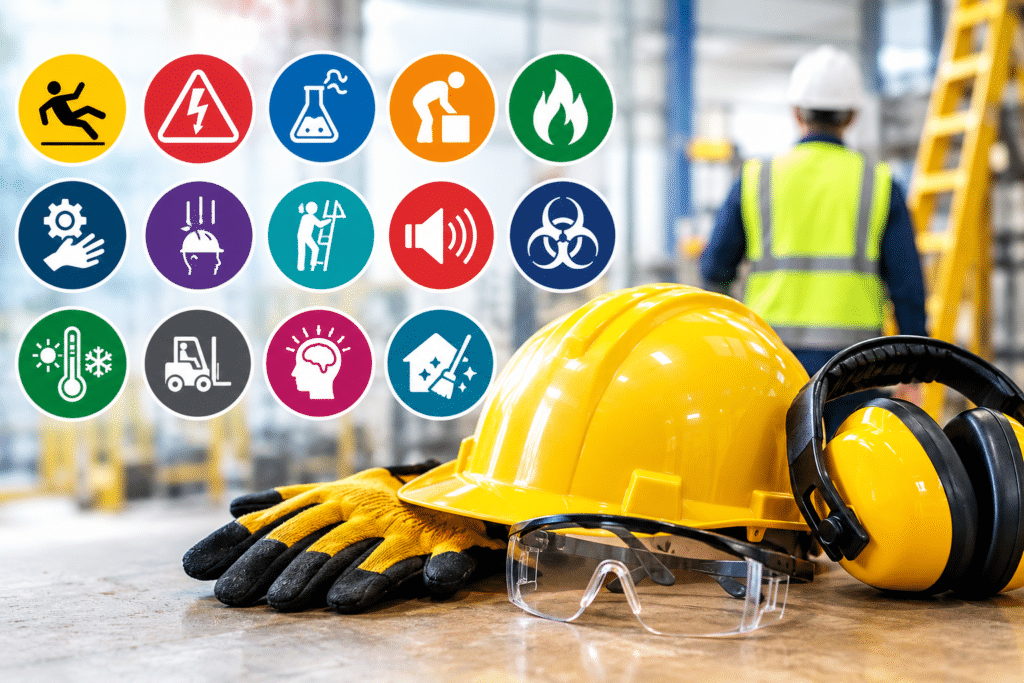
Conduct a workplace risk assessment to determine which hazards need better monitoring. These may include heat exposure, hazardous gases, excessive noise, falls, vehicle movement, or ergonomic strain. Choose technology that addresses an identified risk rather than purchasing devices simply because they are new.
Step 2: Select Suitable Devices
Compare device accuracy, durability, battery life, comfort, connectivity, compatibility with PPE, maintenance requirements, and vendor support. Confirm that devices are suitable for the workplace environment and the hazards being monitored.
Step 3: Involve Employees
Explain how the technology will work and invite workers to raise concerns about comfort, privacy, reliability, and daily use. Employee participation can improve acceptance and help identify problems before full deployment.
Step 4: Establish Data Protection Policies
Define the purpose of data collection, access permissions, retention periods, and procedures for responding to security incidents. Avoid collecting information that is unnecessary for the stated safety objective.
Step 5: Train Workers and Supervisors
Provide training on wearing, charging, cleaning, inspecting, and maintaining the devices. Employees should also learn how to interpret alerts and what action to take when a device fails. Supervisors need clear procedures for responding to warnings and documenting incidents.
Step 6: Monitor Performance
Evaluate whether the program improves hazard detection, reduces exposure, speeds up emergency responses, or identifies opportunities for safer work design. Useful indicators include device uptime, response times, recurring hazards, worker feedback, and exposure trends. Avoid judging success only by the number of alerts or the absence of reported injuries over a short period.
Future Trends in Wearable Technology for Workplace Safety
The future of Wearable Technology for Workplace Safety will likely involve more connected devices, improved analytics, and closer integration with workplace safety management systems.
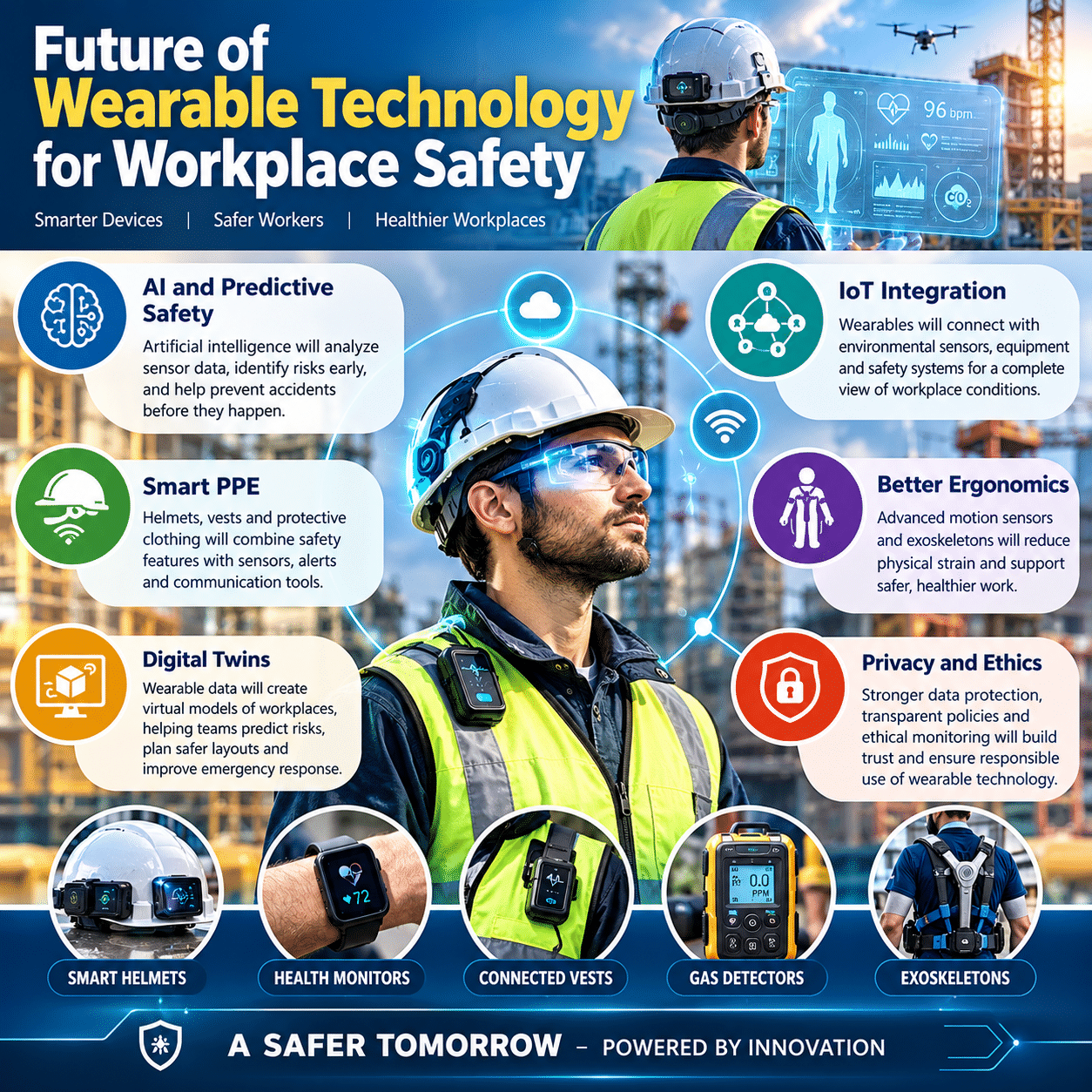
1. Artificial Intelligence and Predictive Safety
Artificial intelligence may help analyze patterns in sensor data and identify conditions associated with increased risk.
For example, a system could flag recurring heat-related warnings in a particular work area or identify repeated proximity alerts around warehouse vehicles.
These findings can help safety teams prioritize inspections and preventive actions. Predictions must be validated, and AI systems should not be treated as infallible or used to make unsupported assumptions about individual workers.
2. Internet of Things Integration
The Internet of Things (IoT) connects wearable devices with environmental sensors, equipment, alarms, and centralized monitoring platforms.
This integration may provide a more complete picture of workplace conditions. A worker’s gas detector, for instance, could communicate with an industrial monitoring system to help coordinate an emergency response.
3. Smart PPE
Future personal protective equipment may combine traditional protective functions with embedded sensors, communication features, and improved warning systems.
Examples could include connected helmets that detect impacts or protective clothing that monitors selected environmental conditions.
4. Improved Ergonomic Wearables
Developments in motion sensing and assistive exoskeletons may help organizations assess physical strain and redesign repetitive tasks.
Future systems may provide more task-specific assistance, although suitability, worker comfort, long-term effectiveness, and possible secondary risks will require careful evaluation.
5. Digital Twins and Real-Time Safety Insights
These systems could help safety teams examine how workers, machinery, and environmental conditions interact. Simulations may support planning for safer routes, improved layouts, and emergency evacuation procedures.
The usefulness of these systems will depend on data quality, realistic models, and responsible implementation.
6. Greater Focus on Privacy and Ethical Monitoring
As wearable technology becomes more sophisticated, organizations will need stronger policies for responsible data use.
Future safety programs may increasingly emphasize privacy-by-design, transparent employee communication, limited data retention, and clear separation between safety monitoring and unrelated productivity surveillance.
Trust will be an important factor in whether employees accept these technologies.