






Introduction
Ultra-processed foods have become a regular part of modern diets because they are convenient, affordable, and widely available. These products are often designed to taste appealing, last longer, and require little preparation. However, eating large amounts of ultra-processed foods may be associated with several health concerns.
Unlike minimally processed foods, ultra-processed products often contain multiple industrial ingredients, added sugars, unhealthy fats, sodium, artificial flavors, colors, sweeteners, and preservatives. Understanding what these foods are and how they may affect health can help people make better dietary choices.
What Are Ultra-Processed Foods?
Ultra-processed foods are industrially formulated products made using ingredients and additives that are not commonly used in home cooking. They are generally highly modified from their original food sources.
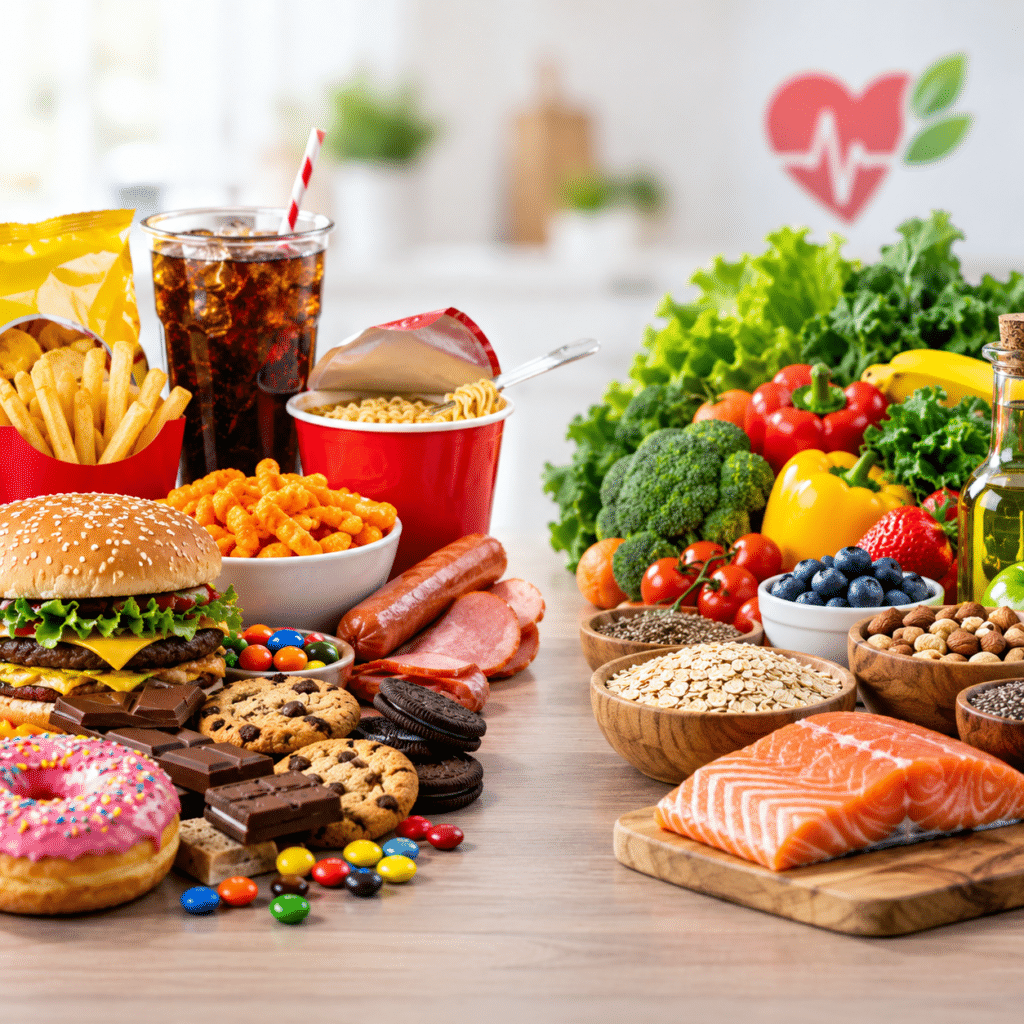
Common examples include packaged snacks, sugary breakfast cereals, instant noodles, soft drinks, packaged desserts, processed meat products, flavored chips, sweetened beverages, and some ready-to-eat meals.
Common Examples of Ultra-Processed Foods
People may consume ultra-processed foods without realizing how frequently they appear in everyday meals. Examples include:
- Soft drinks and energy drinks
- Packaged cakes and cookies
- Candy and confectionery
- Instant noodles
- Flavored chips and snacks
Health Risks of Ultra-Processed Foods
1. Weight Gain and Obesity
Many ultra-processed foods are high in calories while being relatively low in fiber and other essential nutrients. Their convenient form and highly appealing taste may also encourage people to eat larger portions.
Regularly consuming high-calorie foods without balancing them with nutritious meals and physical activity can contribute to weight gain and obesity.
2. Increased Risk of Type 2 Diabetes
A diet containing large amounts of sugary drinks, refined carbohydrates, and other highly processed products may contribute to poor blood glucose control and increased risk of type 2 diabetes.
Replacing sugary and highly processed products with whole grains, vegetables, fruits, beans, and other nutrient-rich foods can support a healthier eating pattern.
3. Heart Health Concerns
Many ultra-processed foods contain significant amounts of sodium, saturated fats, or added sugars. Excessive sodium intake can contribute to high blood pressure, while diets high in unhealthy fats and added sugars may negatively affect cardiovascular health.
Choosing fresh foods and checking nutrition labels can help reduce these dietary risks.
4. Digestive Health
Many highly processed products contain less natural fiber than whole foods. Fiber is important for healthy digestion and supports beneficial bacteria in the gut.
A diet rich in vegetables, fruits, legumes, nuts, seeds, and whole grains can provide more dietary fiber and support digestive health.
5. Poor Overall Diet Quality
Another concern with ultra-processed foods is that they may replace more nutritious foods. Someone who frequently consumes packaged snacks, sugary drinks, and ready-made meals may eat fewer vegetables, fruits, whole grains, and other nutrient-dense foods.
The overall dietary pattern is therefore important, rather than focusing on one individual food.
Why Are Ultra-Processed Foods So Popular?
Convenience is one of the biggest reasons these products are popular. Many require little or no cooking and can be stored for long periods.
Marketing, attractive packaging, availability, affordability, and strong flavors also influence consumer choices. Busy lifestyles may make ready-to-eat products especially appealing.
However, convenience does not always mean nutritional quality. Making small changes to daily food choices can help people create a healthier diet without completely eliminating convenient foods.
How to Reduce Ultra-Processed Foods
Reducing ultra-processed foods does not necessarily require completely changing your diet. Start with simple steps:
- Choose whole foods more often, including vegetables, fruits, beans, eggs, and whole grains.
- Drink more waterinstead of sugary soft drinks.
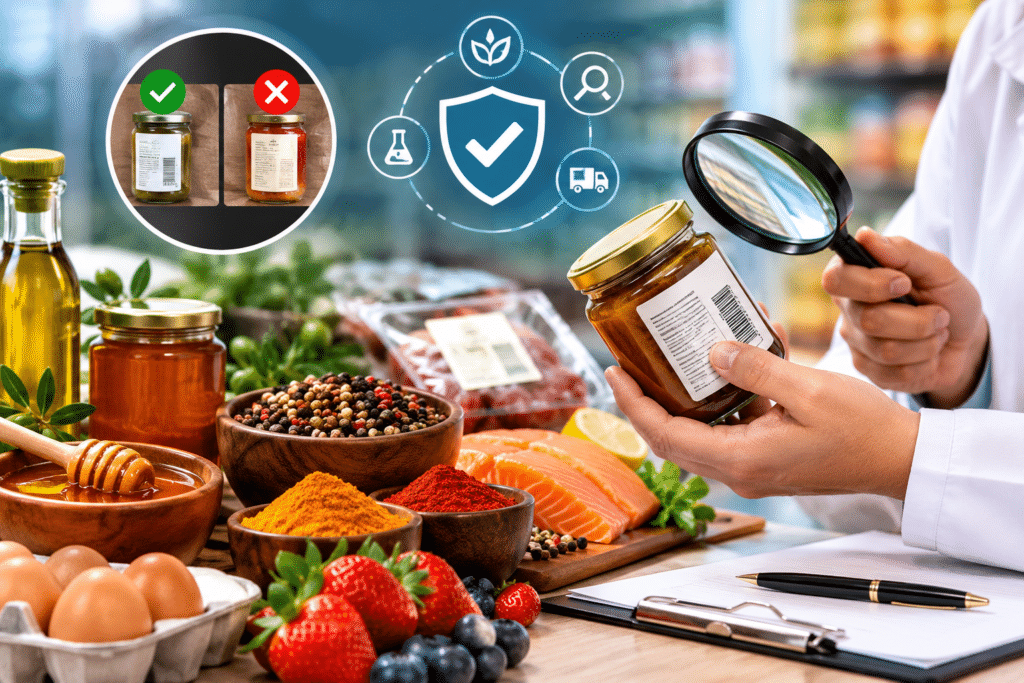
- Read nutrition labelsand compare products before buying them.
- Prepare meals at homewhen possible.
- Choose fresh or minimally processed snacks, such as fruit, nuts, or plain yogurt.
- Limit processed meatsand foods high in sodium and added sugars.
- Plan meals in advanceto reduce dependence on ready-to-eat foods.
These changes can gradually improve overall diet quality.
Are All Processed Foods Unhealthy?
No. Processing can sometimes improve food safety, shelf life, and convenience. Pasteurization, freezing, drying, and canning can help preserve foods and reduce certain safety risks.
The important distinction is between minimally processed foods and highly formulated products that contain substantial amounts of added sugars, sodium, unhealthy fats, or other ingredients.
Consumers should focus on the overall nutritional value of their diet rather than avoiding every packaged food.
Conclusion
Ultra-processed foods are convenient and widely available, but consuming them frequently may contribute to an unhealthy dietary pattern. Diets high in these products have been associated with concerns such as weight gain, metabolic problems, cardiovascular risks, and poor diet quality.
The best approach is not necessarily complete avoidance. Instead, prioritize vegetables, fruits, whole grains, legumes, nuts, seeds, and other minimally processed foods while limiting products high in added sugars, sodium, and unhealthy fats.
Small and consistent changes can make a significant difference in building a healthier and more balanced diet.