




Introduction
Fast food has become a major part of modern lifestyles. Busy schedules, online food delivery apps, and affordable meal options have increased the popularity of fast food worldwide. However, while fast food may save time and satisfy cravings, it also creates serious environmental problems. Understanding how fast food culture is hurting the environment in 2026 is essential for building a healthier and more sustainable future.
The fast food industry produces massive amounts of plastic waste, contributes to greenhouse gas emissions, increases water pollution, and encourages deforestation. In 2026, environmental experts are raising concerns about the long-term effects of fast food culture on climate change and public health.
This article explains how fast food culture is hurting the environment in 2026, the major environmental impacts of the industry, and practical solutions individuals and businesses can adopt to reduce damage.
The Rise of Fast Food Culture in 2026
The fast food industry continues to grow rapidly across the globe. Food delivery platforms, social media marketing, and changing lifestyles have made fast food more accessible than ever before. Many people prefer convenience over home-cooked meals, increasing dependence on burgers, fried chicken, pizza, processed snacks, and sugary beverages.
Unfortunately, this growth has also increased environmental pressure. From food packaging to industrial farming, every stage of fast food production affects the environment. Experts believe that understanding how fast food culture is hurting the environment in 2026 is necessary to encourage responsible eating habits and sustainable food systems.
Plastic Packaging Waste Is Increasing
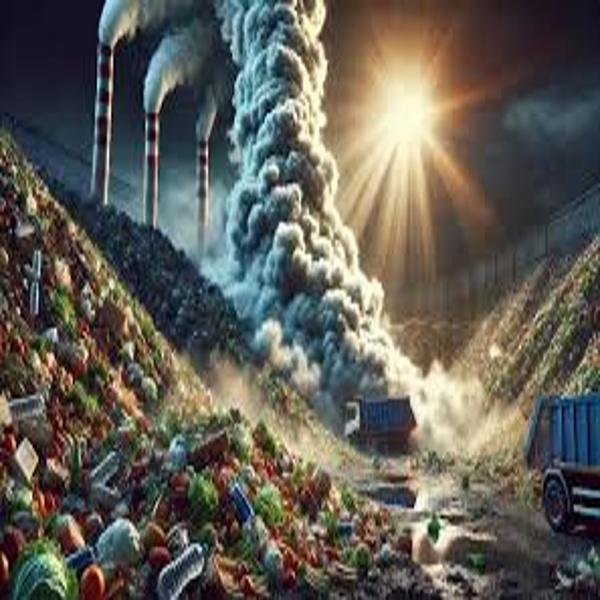
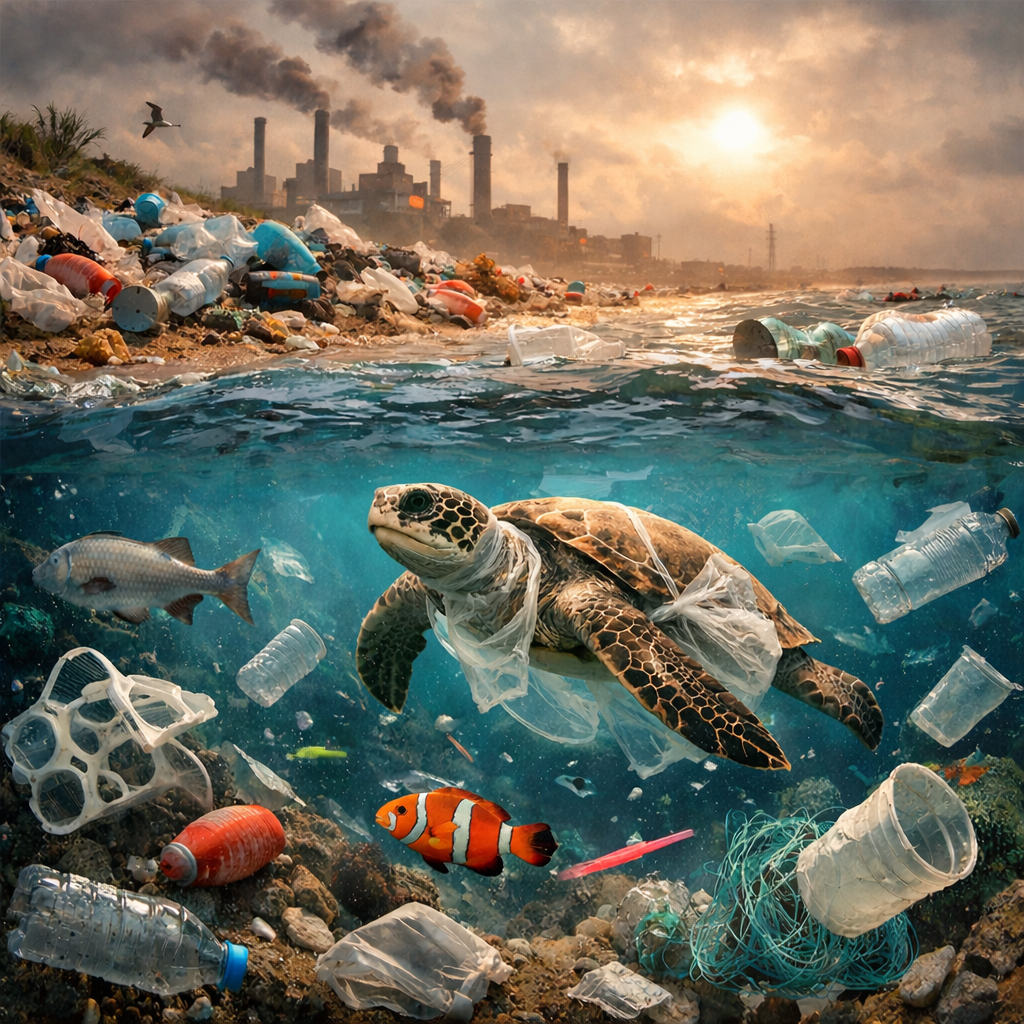
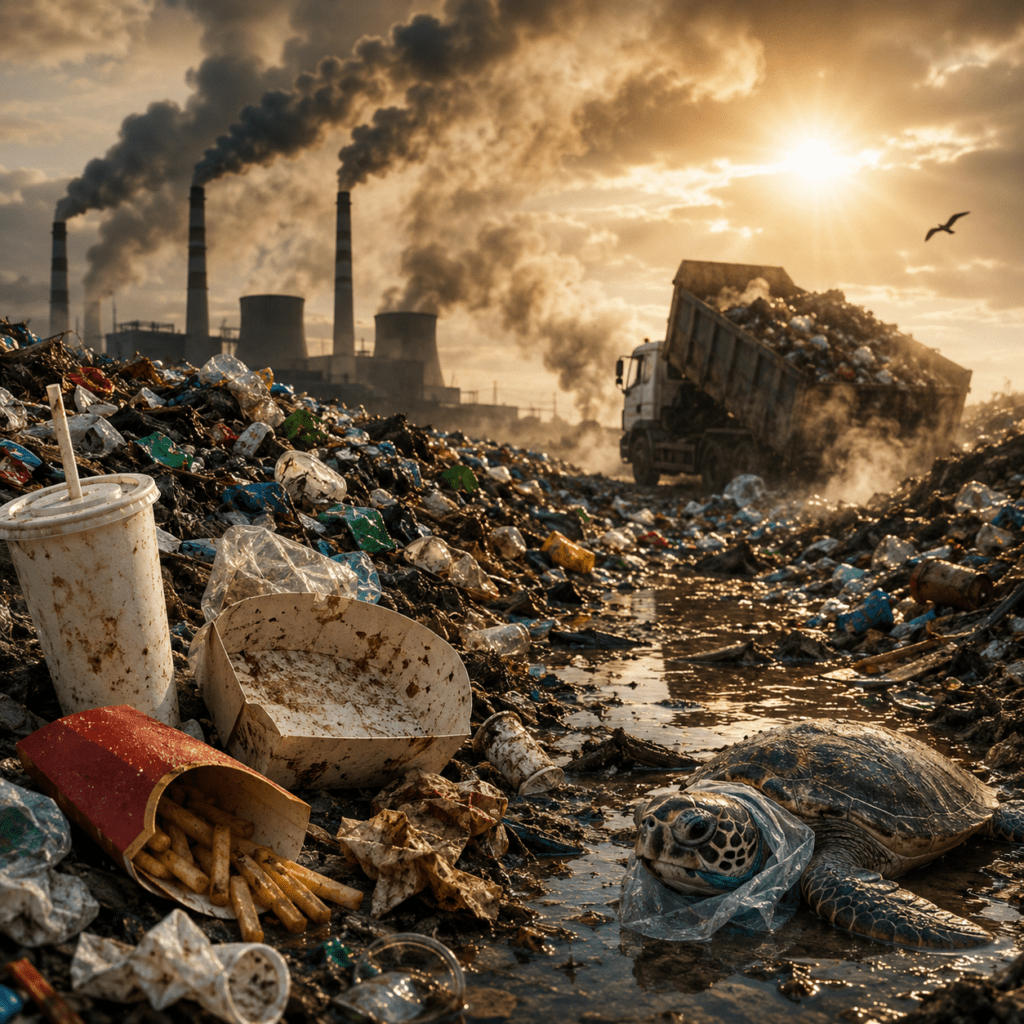
One of the biggest environmental issues caused by fast food culture is plastic waste. Most fast food meals are served in disposable packaging such as plastic cups, wrappers, straws, containers, and cutlery.
Major Problems Caused by Packaging Waste
- Plastic takes hundreds of years to decompose.
- Packaging pollutes oceans and rivers.
- Wildlife is harmed by plastic ingestion.
- Landfills are filling up rapidly.
In 2026, billions of fast food packaging items are discarded daily. Even biodegradable packaging requires proper disposal systems, which many countries still lack. This clearly shows how fast food culture is hurting the environment in 2026 through growing waste pollution.
Fast Food Production Increases Carbon Emissions
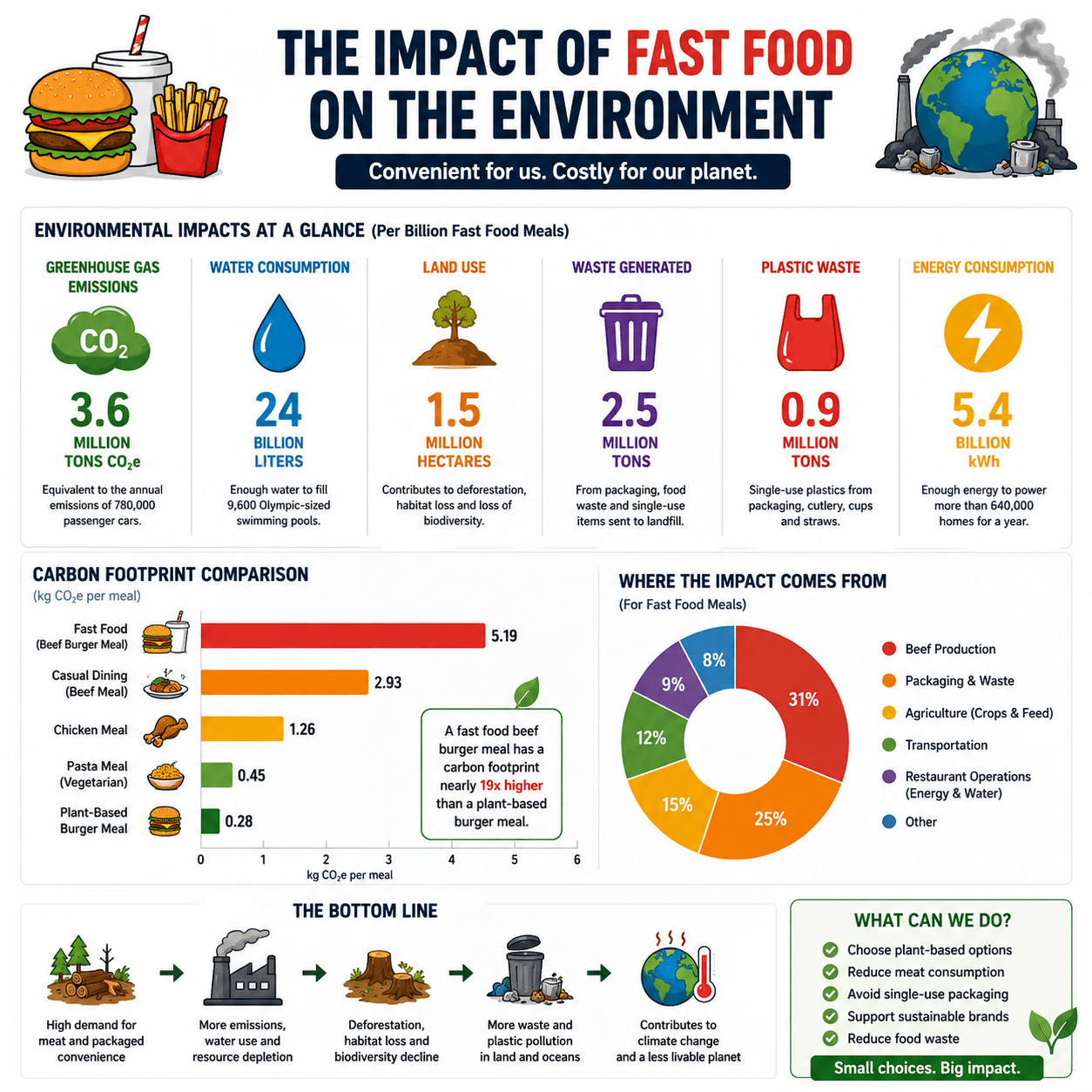
The fast food industry heavily depends on large-scale meat production, transportation, refrigeration, and processing factories.
Sources of Carbon Emissions
- Industrial livestock farming
- Transportation of ingredients
- Food processing factories
- Refrigeration systems
- Delivery services and fuel consumption
Beef production is especially harmful because cattle release methane gas, which contributes significantly to global warming. Scientists continue to warn that reducing meat consumption is important for controlling climate change.
The increasing demand for burgers and processed meat products demonstrates how fast food culture is hurting the environment in 2026 by accelerating greenhouse gas emissions.
Deforestation for Fast Food Supply Chains
Forests are being destroyed to create farmland for cattle grazing and animal feed production. Large fast food companies rely heavily on soy and corn farming to feed livestock.
Environmental Effects of Deforestation
- Loss of biodiversity
- Destruction of wildlife habitats
- Increased carbon dioxide levels
- Soil erosion
- Reduced oxygen production
Rain-forests play a critical role in regulating the Earth’s climate. However, millions of trees continue to disappear each year due to agricultural expansion linked to fast food production.
This is another alarming example of how fast food culture is hurting the environment in 2026 through ecosystem destruction.
Water Pollution and Excessive Water Usage
Fast food production consumes enormous amounts of water. Livestock farming, crop irrigation, and food processing require millions of liters of freshwater every day.
Water-Related Environmental Problems
- River pollution from chemical fertilizers
- Contamination from animal waste
- Excessive groundwater extraction
- Water shortages in vulnerable regions
Producing a single beef burger requires thousands of liters of water when considering farming, processing, and transportation. In many countries, water scarcity is becoming a serious issue because of unsustainable food production systems.
Environmental organizations frequently discuss how fast food culture is hurting the environment in 2026 by placing immense pressure on global water resources.
Food Waste Is Becoming a Global Crisis
Fast food restaurants generate large amounts of food waste every day. Unsold meals, leftover ingredients, and expired products are often thrown away instead of reused responsibly.
Consequences of Food Waste
- Increased landfill waste
- Methane gas emissions
- Wasted water and energy
- Economic losses
When food decomposes in landfills, it releases methane gas that contributes to climate change. In 2026, reducing food waste has become a major sustainability goal worldwide.
Understanding how fast food culture is hurting the environment in 2026 also means recognizing the environmental cost of wasted food.
Air Pollution from Fast Food Operations
Fast food restaurants consume high levels of energy for cooking, refrigeration, lighting, and ventilation systems. Many restaurants still rely on fossil fuels and non-renewable energy sources.
Sources of Air Pollution
- Cooking emissions
- Transportation vehicles
- Factory smoke
- Electricity consumption
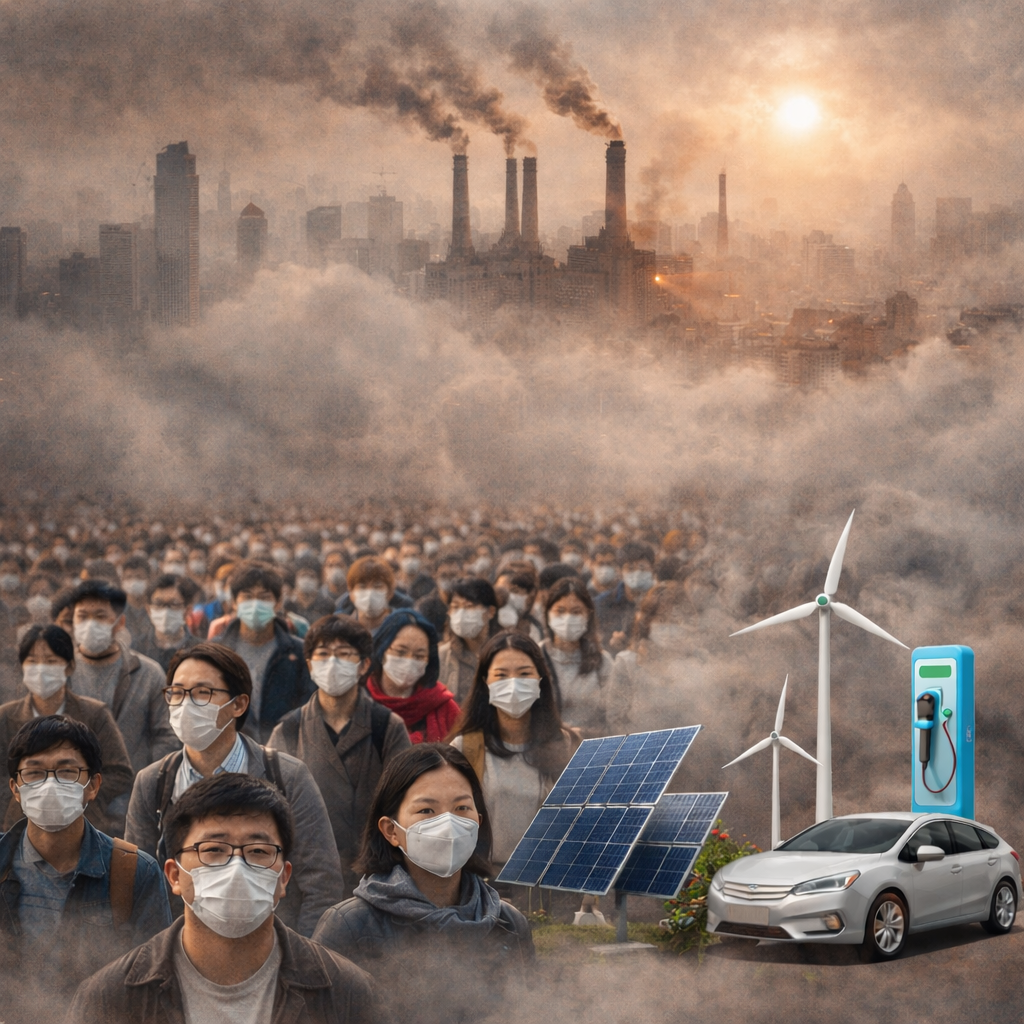
The expansion of fast food chains in urban areas increases air pollution and contributes to poor air quality. Delivery motorcycles and cars further add to fuel emissions in crowded cities.
This highlights another way how fast food culture is hurting the environment in 2026 through environmental pollution and energy consumption.
Harmful Impact on Wildlife and Marine Life
Plastic packaging and food waste often end up in oceans, rivers, and forests. Animals may mistake plastic for food, leading to injury or death.
Wildlife Threats Linked to Fast Food Waste
- Marine animals trapped in plastic
- Birds consuming packaging materials
- Toxic chemicals entering ecosystems
- Habitat destruction from industrial farming
Environmental researchers continue to report growing threats to biodiversity caused by pollution from the fast food industry.
This demonstrates how fast food culture is hurting the environment in 2026 beyond human communities and directly affecting wildlife survival.
Delivery Apps Are Increasing Environmental Damage
Food delivery services have transformed eating habits in 2026. While convenient, delivery culture increases environmental harm through excessive packaging and fuel usage.
Problems Linked to Delivery Culture
- More single-use packaging
- Increased fuel consumption
- Traffic-related emissions
- Additional plastic waste
Consumers often receive meals with multiple layers of packaging, plastic utensils, and disposable containers. The growing popularity of food delivery apps has intensified concerns about sustainability.
Experts believe delivery trends are accelerating how fast food culture is hurting the environment in 2026 on a global scale.
Sustainable Alternatives to Reduce Environmental Damage
Although fast food culture creates environmental problems, sustainable changes can reduce its impact.
Eco-Friendly Solutions
1.Use Biodegradable Packaging
Restaurants should replace plastic with recyclable or compost able materials.
2. Promote Plant-Based Meals
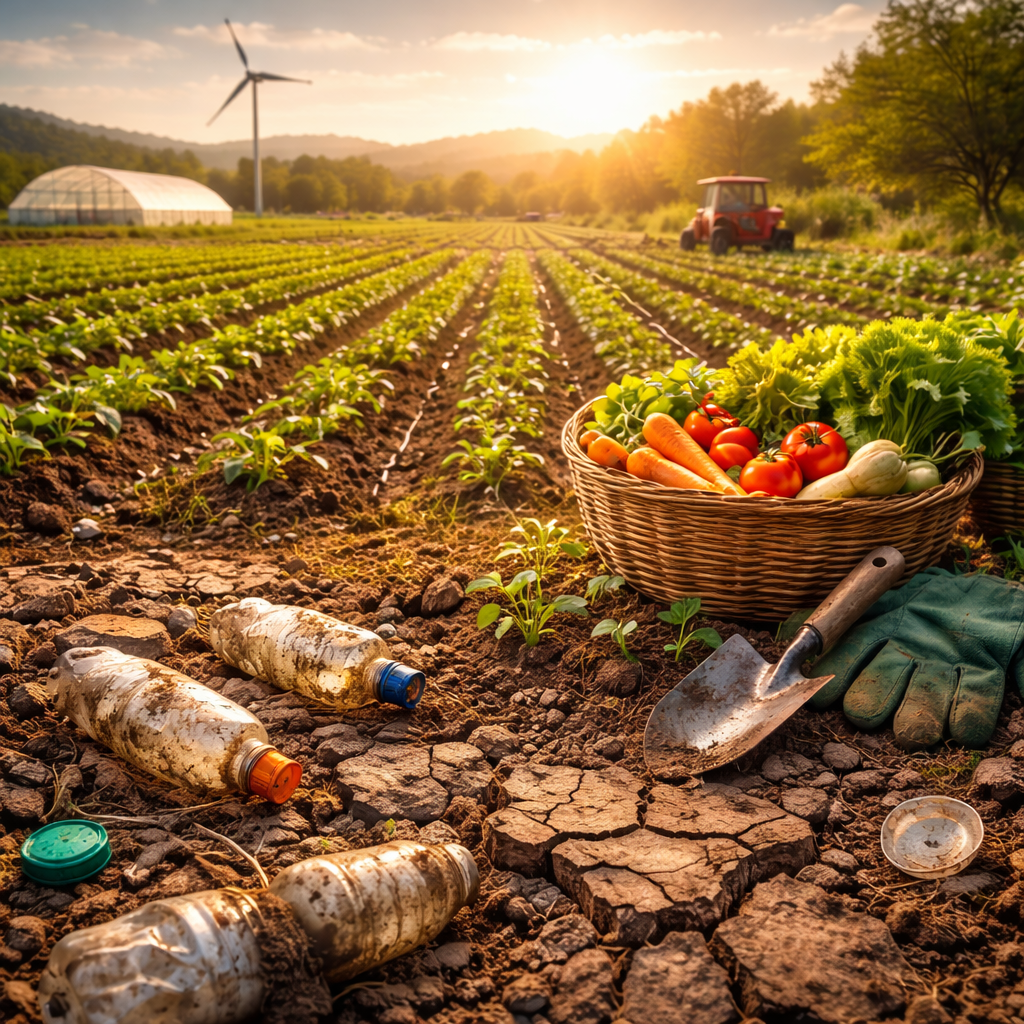
Plant-based foods require fewer natural resources compared to meat production.
3. Reduce Food Waste
Businesses can donate surplus food and improve inventory management.
4. Encourage Reusable Containers
Customers can use reusable bottles, cups, and food containers.
5. Support Local Food Sources
Local ingredients reduce transportation emissions and support sustainable farming.
6. Adopt Renewable Energy
Fast food chains can use solar or wind energy in restaurants and factories.
These solutions can help minimize how fast food culture is hurting the environment in 2026 and support a greener future.
What Consumers Can Do
Consumers play a major role in environmental protection. Small lifestyle changes can make a significant difference over time.
Practical Steps for Individuals
- Eat homemade meals more often
- Reduce meat consumption
- Avoid unnecessary food delivery
- Recycle packaging properly
- Support environmentally responsible brands
- Carry reusable utensils and bottles
Public awareness is increasing as more people learn how fast food culture is hurting the environment in 2026 and seek sustainable alternatives.
The Future of Sustainable Fast Food
Many companies are now investing in environmentally friendly practices. Sustainable packaging, plant-based menus, and carbon reduction strategies are becoming more common in 2026.
Governments and environmental organizations are also introducing regulations to reduce pollution and encourage responsible waste management. However, lasting improvement requires cooperation between businesses, consumers, and policymakers.
The future of the food industry depends on addressing how fast food culture is hurting the environment in 2026 and implementing sustainable solutions immediately.