






Introduction
Workplace safety is an essential responsibility for every business, organization, and employer. Whether employees work in offices, factories, construction sites, warehouses, hospitals, or restaurants, they may face different risks that can affect their health and safety.
Workplace Hazards are conditions, activities, or substances that can potentially cause injuries, illnesses, property damage, or even death. Some hazards are easy to recognize, such as wet floors and exposed electrical wires, while others, including chemical exposure, poor ergonomics, and psychological stress, may develop gradually.
Identifying Workplace Hazards early is one of the most effective ways to prevent workplace accidents and occupational diseases. Employers should regularly inspect working environments, provide employee training, maintain equipment, and establish effective safety procedures.
In this article, we will explore 20 common workplace hazards and practical ways to prevent them, helping employers and employees create a safer and healthier working environment.
What Are Workplace Hazards?
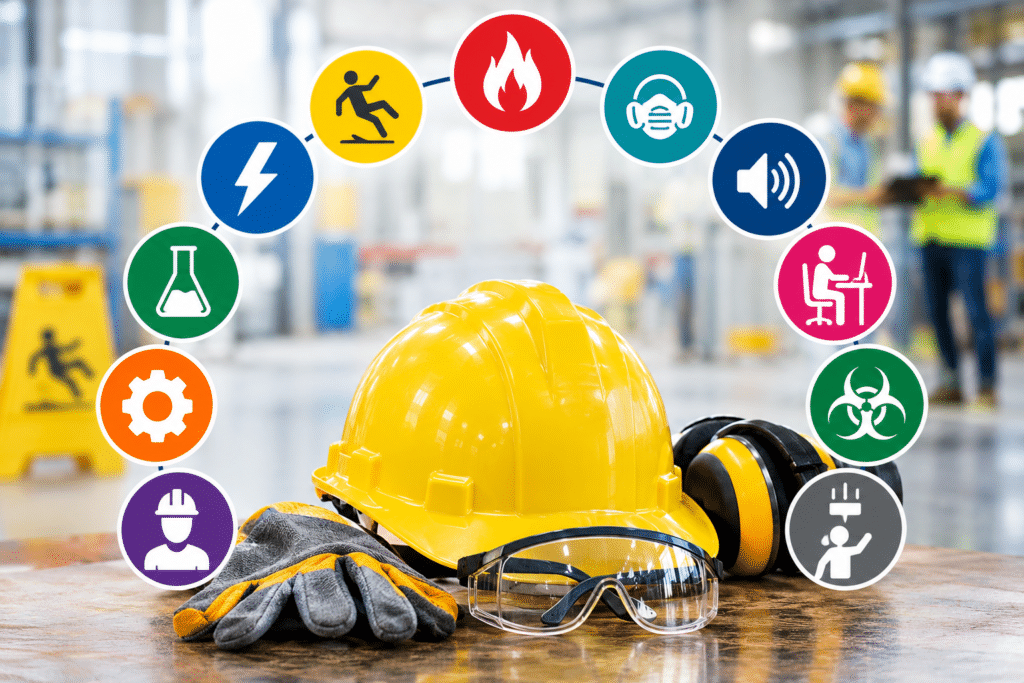
Workplace Hazards refer to anything in a working environment that has the potential to harm employees. These risks may be physical, chemical, biological, ergonomic, or psychological.
For example, an employee working in a factory may experience excessive noise, machinery-related injuries, or chemical exposure. Similarly, office workers may face ergonomic problems, electrical risks, and stress caused by excessive workloads.
Understanding different types of Workplace Hazards helps organizations develop effective safety policies and reduce the possibility of accidents.
20 Common Workplace Hazards and How to Prevent Them
1. Slips, Trips, and Falls
Slips, trips, and falls are among the most common workplace accidents. Wet floors, loose cables, uneven surfaces, poor lighting, and cluttered walkways can cause employees to lose their balance.
Prevention Measures:
- Keep floors clean, dry, and free from obstacles.
- Display warning signs near wet surfaces.
- Install anti-slip flooring where necessary.
- Maintain proper lighting in hallways and staircases.
- Encourage employees to wear appropriate footwear.
2. Electrical Hazards
Electrical hazards can result in electric shocks, burns, fires, and serious injuries. Damaged cables, overloaded sockets, exposed wiring, and faulty electrical equipment increase workplace risks.
Prevention Measures:
- Inspect electrical equipment regularly.
- Replace damaged wires and plugs immediately.
- Avoid overloading electrical outlets.
- Keep electrical equipment away from water.
- Allow only qualified professionals to perform electrical repairs.
3. Fire Hazards
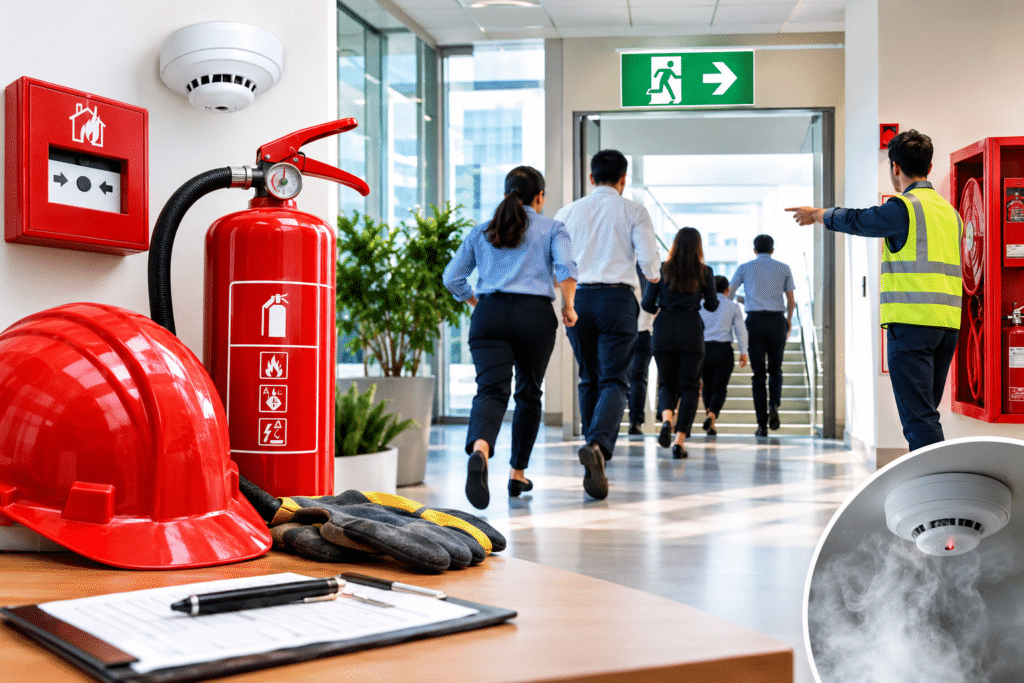
Fire is a serious workplace safety risk, particularly in factories, warehouses, kitchens, and buildings containing flammable materials. Common causes include faulty wiring, gas leaks, combustible materials, and improper storage of chemicals.
Prevention Measures:
- Install appropriate fire detection and alarm systems.
- Keep fire extinguishers accessible.
- Conduct regular fire drills.
- Maintain clear emergency exits.
- Store flammable materials safely.
- Train employees in fire emergency procedures.
4. Chemical Exposure
Employees working in laboratories, manufacturing plants, cleaning services, and industrial facilities may come into contact with hazardous chemicals. Chemical exposure can cause skin irritation, respiratory problems, burns, and long-term health conditions.
Prevention Measures:
- Label all chemical containers correctly.
- Provide appropriate personal protective equipment (PPE).
- Ensure proper ventilation.
- Maintain Safety Data Sheets (SDS).
- Train employees in safe chemical handling.
- Store incompatible chemicals separately.
5. Machinery and Equipment Hazards
Industrial machinery, cutting tools, and moving equipment can cause serious injuries when operated incorrectly or without proper safety guards. Employees may experience cuts, crushing injuries, burns, or amputations.
Prevention Measures:
- Install machine guards and safety barriers.
- Provide equipment-specific training.
- Follow lockout/tagout procedures during maintenance.
- Inspect machinery regularly.
- Never remove safety guards while equipment is operating.
6. Working at Heights
Construction workers, maintenance employees, and warehouse staff may work on ladders, scaffolding, roofs, and elevated platforms. Falls from heights can cause severe injuries or fatalities.
Prevention Measures:
- Use suitable fall protection systems.
- Inspect ladders and scaffolding before use.
- Install guardrails where required.
- Provide appropriate training.
- Avoid working at heights during dangerous weather conditions.
7. Noise Hazards
Continuous exposure to loud machinery, industrial equipment, construction activities, and other noisy environments can damage hearing. Noise exposure may also increase stress and reduce employee concentration.
Prevention Measures:
- Measure workplace noise levels.
- Install soundproofing or noise barriers.
- Provide suitable hearing protection.
- Maintain noisy machinery.
- Limit exposure time where necessary.
8. Poor Ergonomics
Poor workplace design, uncomfortable seating, incorrect desk height, and repetitive movements can cause musculoskeletal disorders. Office employees and factory workers may experience back pain, neck pain, wrist injuries, and muscle fatigue.
Prevention Measures:
- Provide adjustable chairs and desks.
- Maintain correct sitting posture.
- Position computer screens at comfortable eye level.
- Encourage regular stretching breaks.
- Use ergonomic tools and equipment.
9. Biological Hazards
Healthcare workers, laboratory employees, cleaners, and waste handlers may face higher exposure risks.
Prevention Measures:
- Maintain proper workplace hygiene.
- Provide appropriate gloves and protective equipment.
- Follow infection-control procedures.
- Dispose of biological waste safely.
- Encourage handwashing and appropriate vaccination programs.
10. Poor Ventilation and Air Quality
Poor indoor air quality can result from dust, fumes, chemicals, mold, and insufficient ventilation.
Employees exposed to contaminated air may experience headaches, allergies, breathing difficulties, and respiratory irritation.
Prevention Measures:
- Maintain ventilation systems.
- Install suitable air filtration equipment.
- Control dust and chemical fumes.
- Clean air-conditioning systems regularly.
- Monitor indoor air quality.
11. Manual Handling and Heavy Lifting
Lifting, carrying, pushing, and pulling heavy objects can cause muscle injuries and back problems. Incorrect lifting techniques and excessive workloads increase the risk of workplace injuries.
Prevention Measures:
- Train employees in safe lifting techniques.
- Use mechanical lifting equipment.
- Avoid lifting loads beyond individual capabilities.
- Store heavy items at suitable heights.
- Ask for assistance when handling heavy objects.
12. Heat Stress
Employees working outdoors, in kitchens, factories, and hot industrial environments may experience heat stress. Excessive heat can cause dehydration, dizziness, heat exhaustion, and potentially life-threatening heatstroke.
Prevention Measures:
- Provide clean drinking water.
- Offer shaded or cool rest areas.
- Schedule breaks during hot conditions.
- Improve workplace ventilation.
- Acclimatize new employees gradually to hot environments.
- Train workers to recognize heat-related symptoms.
13. Cold Stress
Workers in cold storage facilities, refrigerated warehouses, and outdoor winter environments may experience cold-related health problems. Prolonged exposure can cause numbness, reduced coordination, hypothermia, and frostbite.
Prevention Measures:
- Provide suitable insulated clothing.
- Offer warm rest areas.
- Limit exposure to extreme cold.
- Provide appropriate gloves and footwear.
- Train employees to recognize cold stress symptoms.
14. Confined Space Hazards
Confined spaces such as tanks, underground chambers, pipelines, and storage vessels can contain dangerous gases or insufficient oxygen. These environments can create life-threatening conditions for workers.
Prevention Measures:
- Conduct confined-space risk assessments.
- Test the atmosphere before entry.
- Provide suitable ventilation.
- Use entry permits and trained attendants.
- Establish emergency rescue procedures.
15. Falling Objects
Employees working in construction sites, warehouses, and manufacturing facilities may be injured by falling tools, materials, or equipment.
Prevention Measures:
- Secure materials properly.
- Install overhead protection where necessary.
- Keep heavy items on stable shelves.
- Restrict access to dangerous areas.
- Provide suitable safety helmets.
16. Vehicle and Transportation Hazards
Forklifts, trucks, company vehicles, and other moving equipment can create serious risks in workplaces. Poor visibility, speeding, distracted driving, and inadequate traffic management can cause collisions.
Prevention Measures:
- Establish separate pedestrian and vehicle routes.
- Train authorized vehicle operators.
- Conduct vehicle maintenance checks.
- Install warning signs and mirrors.
- Enforce workplace speed limits.
17. Workplace Violence and Harassment
Workplace violence, bullying, harassment, and aggressive behavior can negatively affect employees’ physical and psychological well-being.
These issues may also reduce productivity and create an unhealthy working environment.
Prevention Measures:
- Establish clear anti-harassment policies.
- Provide confidential reporting channels.
- Investigate complaints fairly.
- Train managers and employees.
- Promote respectful workplace communication.
18. Fatigue and Long Working Hours
Long shifts, insufficient rest, night work, and excessive workloads can cause employee fatigue. Fatigued workers may experience reduced concentration, slower reactions, and a higher risk of accidents.
Prevention Measures:
- Develop reasonable work schedules.
- Provide sufficient rest breaks.
- Monitor overtime and shift duration.
- Encourage adequate sleep.
- Avoid assigning safety-critical tasks to severely fatigued workers.
19. Psychological Stress and Mental Health Risks
Work-related stress can develop due to excessive workloads, job insecurity, poor management, workplace conflicts, and unrealistic deadlines. Long-term stress may affect employee mental health, concentration, and overall performance.
Prevention Measures:
- Maintain reasonable workloads.
- Encourage open communication.
- Provide access to employee support programs.
- Promote work-life balance.
- Train managers to recognize workplace stress.
- Address bullying and discrimination.
20. Poor Housekeeping and Workplace Organization
Poor housekeeping can create several safety problems, including blocked emergency exits, fire risks, falling objects, and accidents caused by clutter.
Prevention Measures:
- Keep workstations organized.
- Dispose of waste properly.
- Store tools and materials safely.
- Keep emergency exits clear.
- Establish regular cleaning schedules.
- Conduct routine housekeeping inspections.
Why Is It Important to Identify Workplace Hazards?
Identifying Workplace Hazards is important because it helps organizations protect employees, reduce financial losses, and maintain business operations.
The major benefits include:
- Preventing workplace accidents: Early identification reduces the chances of injuries and dangerous incidents.
- Protecting employee health: Proper safety measures reduce exposure to harmful substances and working conditions.
- Improving productivity: Employees perform better when they feel safe and protected.
- Reducing business costs: Preventing accidents helps reduce medical expenses, compensation claims, and equipment damage.
- Meeting safety requirements: Employers can improve compliance with applicable occupational health and safety regulations.
- Building a safety culture: Regular inspections and employee participation encourage everyone to take responsibility for safety.
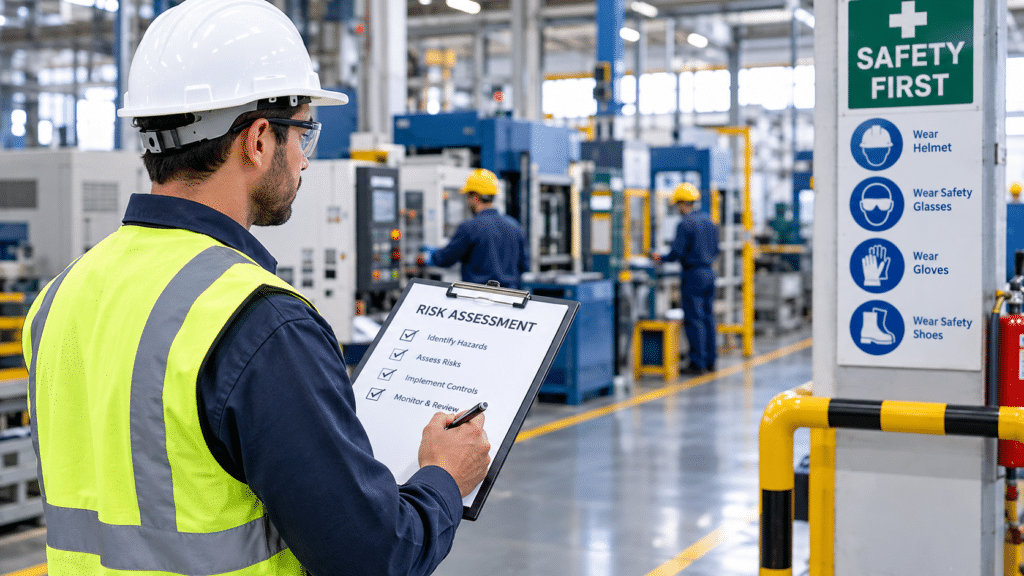
How to Conduct a Workplace Hazard Risk Assessment
A workplace risk assessment helps employers identify, evaluate, and control potential dangers before accidents occur. Follow these five important steps:
Step 1: Identify the Hazards
Inspect the workplace, machinery, equipment, workstations, and employee activities to identify potential hazards.
Step 2: Identify Who May Be Harmed
Consider employees, contractors, visitors, maintenance workers, and other individuals who may be exposed to workplace risks.
Step 3: Evaluate the Risks
Determine how likely an incident is to happen and how serious its consequences could be.
Step 4: Apply Control Measures
Use the hierarchy of controls: elimination, substitution, engineering controls, administrative controls, and personal protective equipment (PPE).
Step 5: Review and Update the Assessment
Review risk assessments regularly and whenever workplace conditions, equipment, processes, or regulations change.
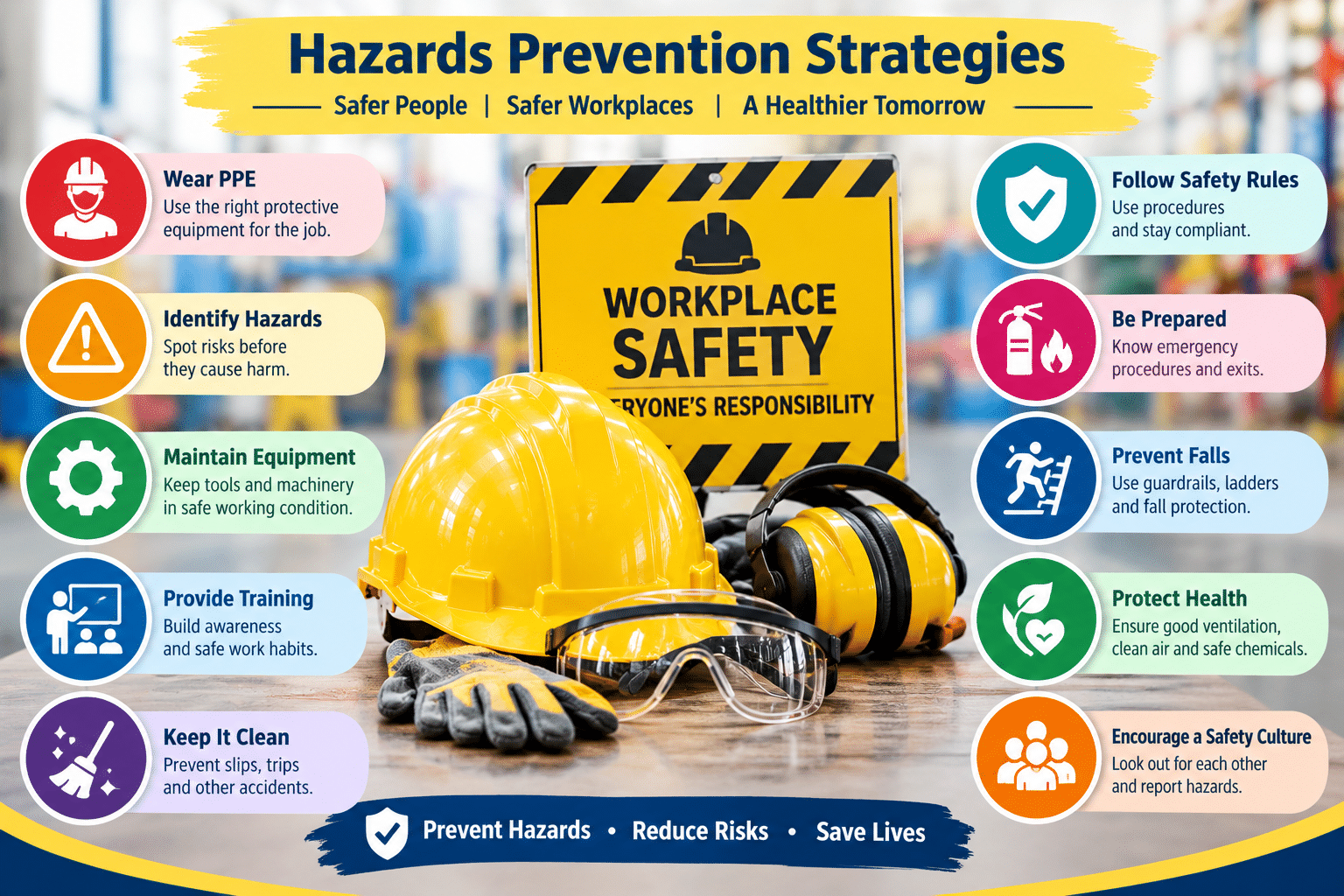
Best Practices for Preventing Workplace Hazards
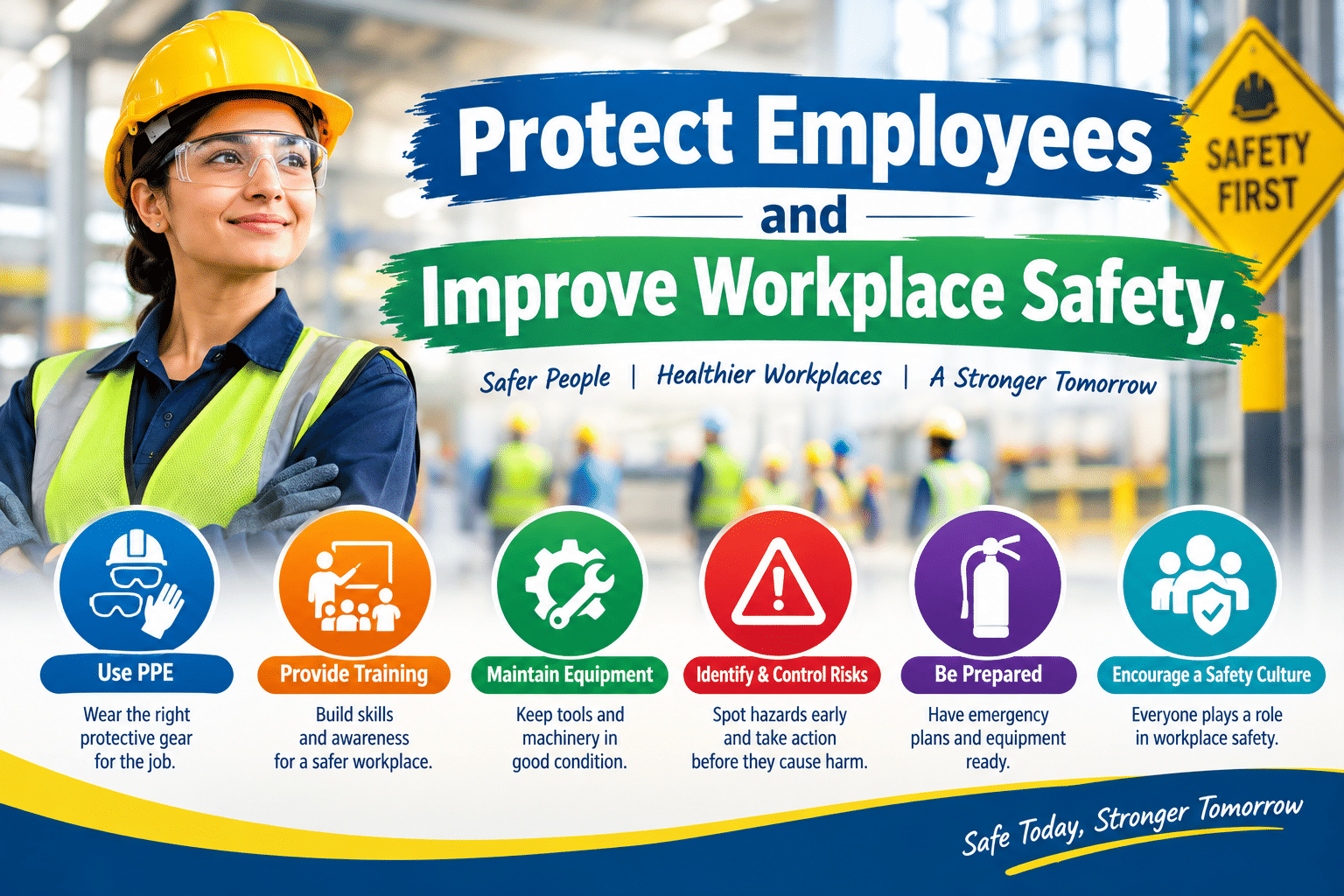
Organizations should adopt a proactive approach to workplace safety rather than waiting for accidents to happen.
Here are some effective practices:
- Conduct regular workplace safety inspections.
- Provide occupational health and safety training.
- Maintain machinery and electrical equipment.
- Supply suitable personal protective equipment.
- Display clear safety signs and emergency instructions.
- Encourage employees to report unsafe conditions.
- Develop emergency response and evacuation plans.
- Investigate workplace incidents and near misses.
- Maintain accurate safety records.
- Review safety policies regularly.
Employers should also encourage workers to participate in identifying Workplace Hazards because employees often understand the risks associated with their daily tasks better than anyone else.