


Introduction
The Pakistan economy 2026 outlook is being shaped by several important developments, including international energy prices, geopolitical tensions, fiscal pressures, climate-related risks and the country’s ongoing economic reform programme. These developments are important not only for policymakers but also for businesses, workers, students and ordinary households.
In September 2026, Pakistan announced several austerity measures aimed at conserving fuel and reducing government expenditure amid rising international energy costs linked to the wider Gulf conflict. The measures included restrictions on official vehicle fuel allocations, government vehicle purchases, foreign travel by officials and official dinners.
At the same time, Pakistan continues to work with international financial institutions on economic reforms and resilience. The International Monetary Fund (IMF) has highlighted both improvements in Pakistan’s economic indicators and significant risks arising from external shocks.
Pakistan Economy 2026 and Rising Energy Costs
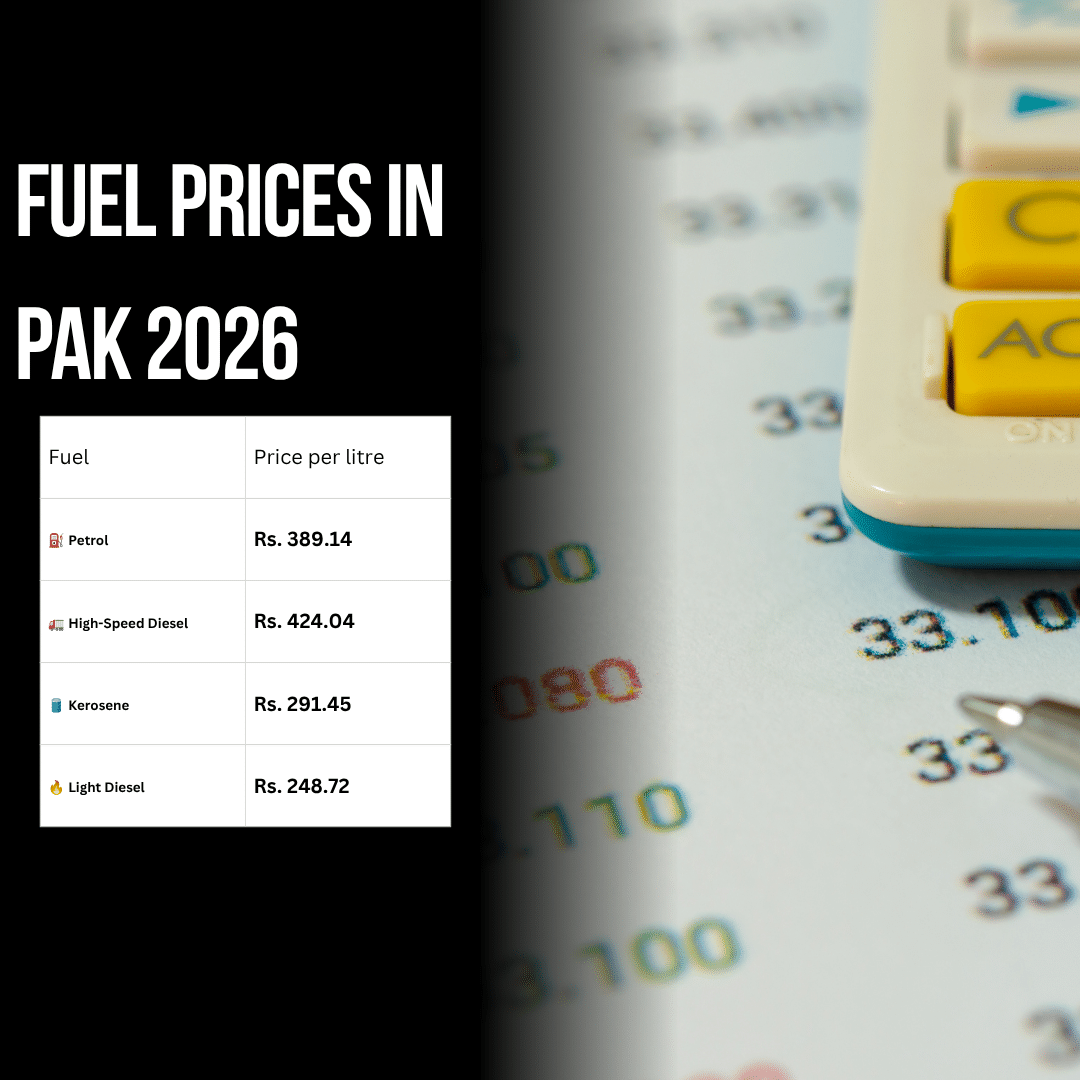
Energy prices remain one of the most important issues affecting the Pakistan economy 2026. Pakistan relies heavily on imported energy, meaning international oil and gas price movements can directly affect domestic transportation, electricity generation, industrial production and household expenses.
When international fuel prices increase, the impact can extend across the economy. Transportation costs may rise, businesses can face higher operating expenses, and food prices may also come under pressure because agricultural products and consumer goods depend on transportation. The government has therefore introduced measures designed to conserve fuel. According to Reuters, Pakistan’s September 2026 austerity measures included reducing fuel allocations for official vehicles and restricting some government-related spending.
Impact on Inflation and Household Budgets
Inflation is closely connected with energy costs. Higher fuel prices can increase the cost of transporting food, raw materials and manufactured products. For households, this can affect monthly budgets in several ways:
- Higher transportation expenses
- Increased delivery and logistics costs
- Higher prices for some food products
- Increased business operating costs
- Pressure on household disposable income
- Greater financial uncertainty
However, the actual effect depends on international energy prices, government pricing decisions, exchange-rate movements and domestic supply conditions. The IMF reported in May 2026 that Pakistan’s economic recovery had continued, with GDP growth accelerating during the first half of FY26 and inflation remaining contained at that time. However, the IMF also warned that developments in the Middle East could increase inflationary pressure and weigh on growth and the balance of payments.
IMF Programme and Economic Reforms
Another major component of Pakistan economy 2026 is the country’s ongoing relationship with the IMF. Pakistan has been implementing economic reforms covering areas such as fiscal management, revenue collection, energy-sector reforms and macroeconomic stability.
The IMF’s May 2026 review stated that policy implementation had continued to support Pakistan’s economic recovery, improve confidence and strengthen resilience. It also reported that the current account was broadly balanced and reserve rebuilding had exceeded earlier projections. Nevertheless, Pakistan remains exposed to external economic shocks. Changes in oil prices, global interest rates, geopolitical conflicts and international financial conditions can affect the country’s external financing requirements.
Pakistan and Global Geopolitical Developments
Pakistan’s economic situation cannot be separated completely from developments outside its borders.
In 2026, Pakistan has also been involved in important diplomatic developments. Pakistan hosted US-Iran discussions in Islamabad earlier in the year, while its foreign-policy priorities have included regional stability, diplomacy and peaceful resolution of disputes.
Pakistan’s Ministry of Foreign Affairs has also stated that the country’s priorities at the United Nations include sustainable development, climate change, counter-terrorism, global economic challenges and international cooperation. These developments matter economically because regional instability can affect trade routes, energy supplies, investment decisions and international commodity prices.
Fuel Conservation Measures in Pakistan
The government’s September 2026 austerity measures demonstrate how international developments can translate into domestic policy. The reported measures included:
- Reduced fuel allocations for official government vehicles.
- Restrictions on purchasing new government vehicles.
- Restrictions concerning official foreign travel.
- Restrictions on official dinners and related expenditures.
The objective is to conserve fuel and control government spending during a period of higher energy costs. Such measures can reduce some public-sector consumption, although their broader economic impact depends on the duration and intensity of international energy-market pressures.
Climate Change and the Pakistan Economy
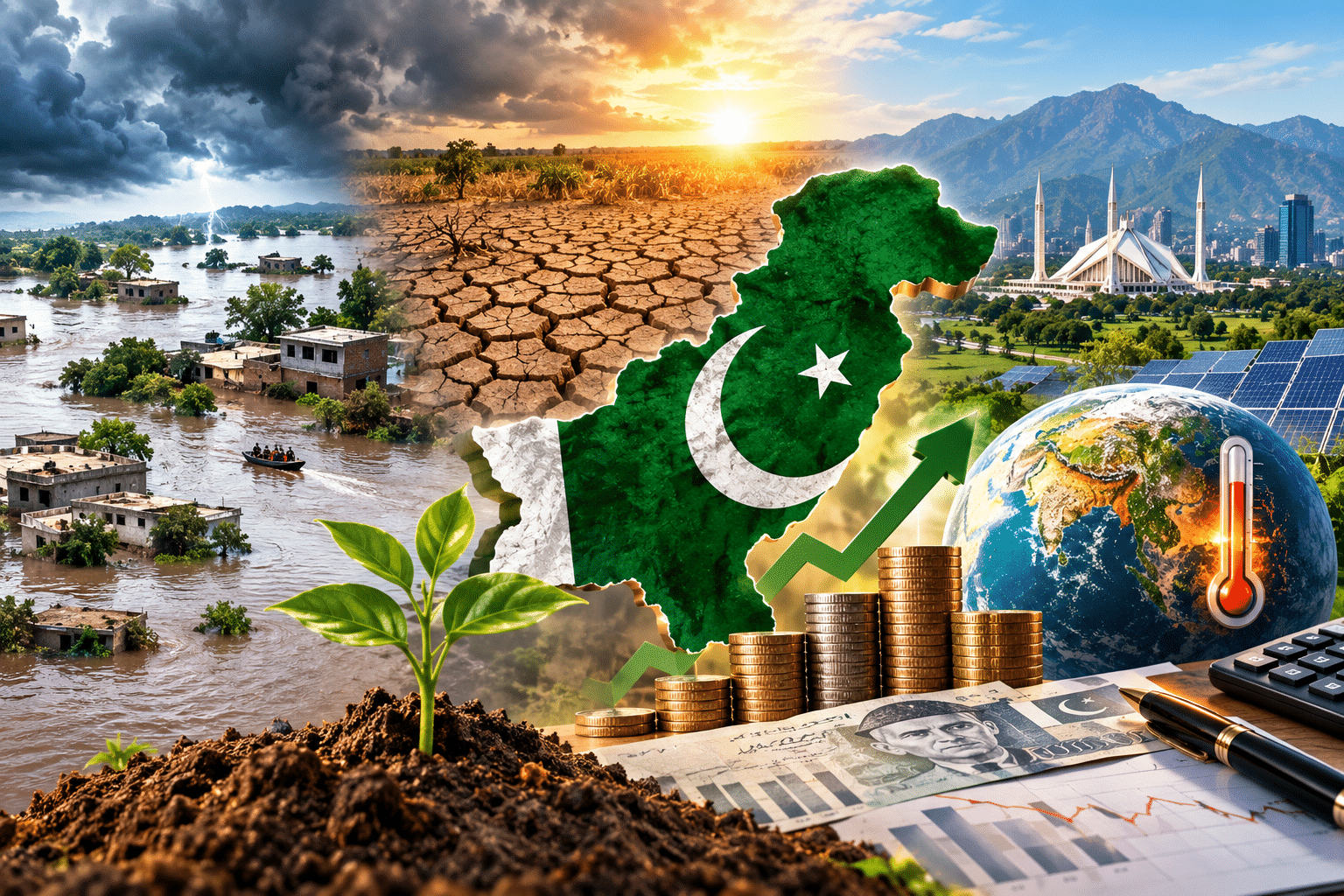
Climate change is another major issue for the Pakistan economy 2026.
Pakistan is highly exposed to floods and other climate-related disasters. According to an IMF assessment published in September 2026, floods alone have historically generated average annual losses equivalent to around 1% of GDP, while severe disasters can create financing requirements amounting to several percentage points of GDP. Climate-related disasters can damage:
- Roads and bridges
- Agricultural land
- Homes and businesses
- Electricity infrastructure
- Water systems
- Livestock
- Industrial facilities
The economic consequences can continue long after the initial disaster because governments may have to divert funds from development projects toward reconstruction and rehabilitation.
Why Disaster Risk Financing Matters
The IMF has emphasized the importance of improving disaster risk financing and integrating disaster risks into fiscal planning and debt sustainability analysis. It also highlighted the need for stronger federal-provincial coordination and better use of social protection systems.
For Pakistan, this means economic planning increasingly needs to consider not only traditional financial risks but also environmental and climate-related risks.
A stronger disaster financing system could help the government respond to emergencies without placing excessive pressure on development budgets.
Pakistan’s Foreign Policy and Economic Interests
Foreign policy and economic policy are increasingly connected.
Pakistan’s trade relationships, energy imports, overseas investment, remittances and international financing all depend partly on regional and global stability.
The Ministry of Foreign Affairs has stated that Pakistan intends to emphasize dialogue, diplomacy, restraint and peaceful dispute resolution while engaging with international partners.
For the economy, stable international relationships can support trade and investment, while geopolitical tensions can create uncertainty.
Regional Security and Economic Stability
Security developments along Pakistan’s western border are also part of the current-affairs landscape.
On September 21, 2026, Reuters reported that Pakistan conducted airstrikes in Afghanistan following a deadly militant attack in Kohat. Afghan authorities condemned the strikes and reported civilian deaths, while Pakistan said it had targeted militants.
Such developments are primarily security matters, but prolonged regional tensions can also have economic consequences through increased security spending, border disruptions and uncertainty affecting trade and investment.
What Businesses Should Watch
Businesses operating in Pakistan need to monitor several factors during 2026.
1. Energy prices
Changes in international oil prices can influence transportation, manufacturing and logistics costs.
2. Exchange-rate movements
Currency fluctuations can affect the cost of imported raw materials, machinery and energy.
3. Inflation
Businesses need to monitor changes in consumer purchasing power and production costs.
4. Government policies
Changes in taxation, energy pricing and import regulations can influence business planning.
5. Regional developments
Geopolitical developments can affect supply chains, trade routes and investor confidence.
What Consumers Should Watch
For ordinary consumers, the most relevant areas are fuel prices, food prices, transportation costs and household purchasing power.
Consumers can reduce financial pressure by maintaining realistic household budgets, comparing prices and avoiding unnecessary expenditure. Businesses can similarly improve resilience through efficient energy use, inventory planning and careful cash-flow management.
Future Outlook for Pakistan Economy 2026
The future direction of the Pakistan economy 2026 will depend on several interconnected factors.
International energy prices will remain important. If global energy markets stabilize, pressure on Pakistan’s import bill and inflation could ease. If prices remain elevated, the government and businesses may face continued cost pressures.
The IMF programme and domestic economic reforms will also remain important. Fiscal discipline, revenue collection, energy-sector improvements and stronger reserves can influence economic stability.
Climate resilience is another long-term priority. Pakistan needs stronger infrastructure, disaster preparedness and financial mechanisms to reduce the economic consequences of floods and other natural disasters.