



Introduction
The relationship between climate change and global food security in 2026 has become one of the most critical global concerns. As climate patterns shift dramatically, the world is witnessing unprecedented challenges in food production, distribution, and access. From extreme weather events to declining crop yields, the global food system is under immense pressure.
Understanding climate change and global food security in 2026 is essential because it affects not only developing countries but also developed nations. Food shortages, rising prices, and nutritional deficiencies are now global issues that demand urgent attention.
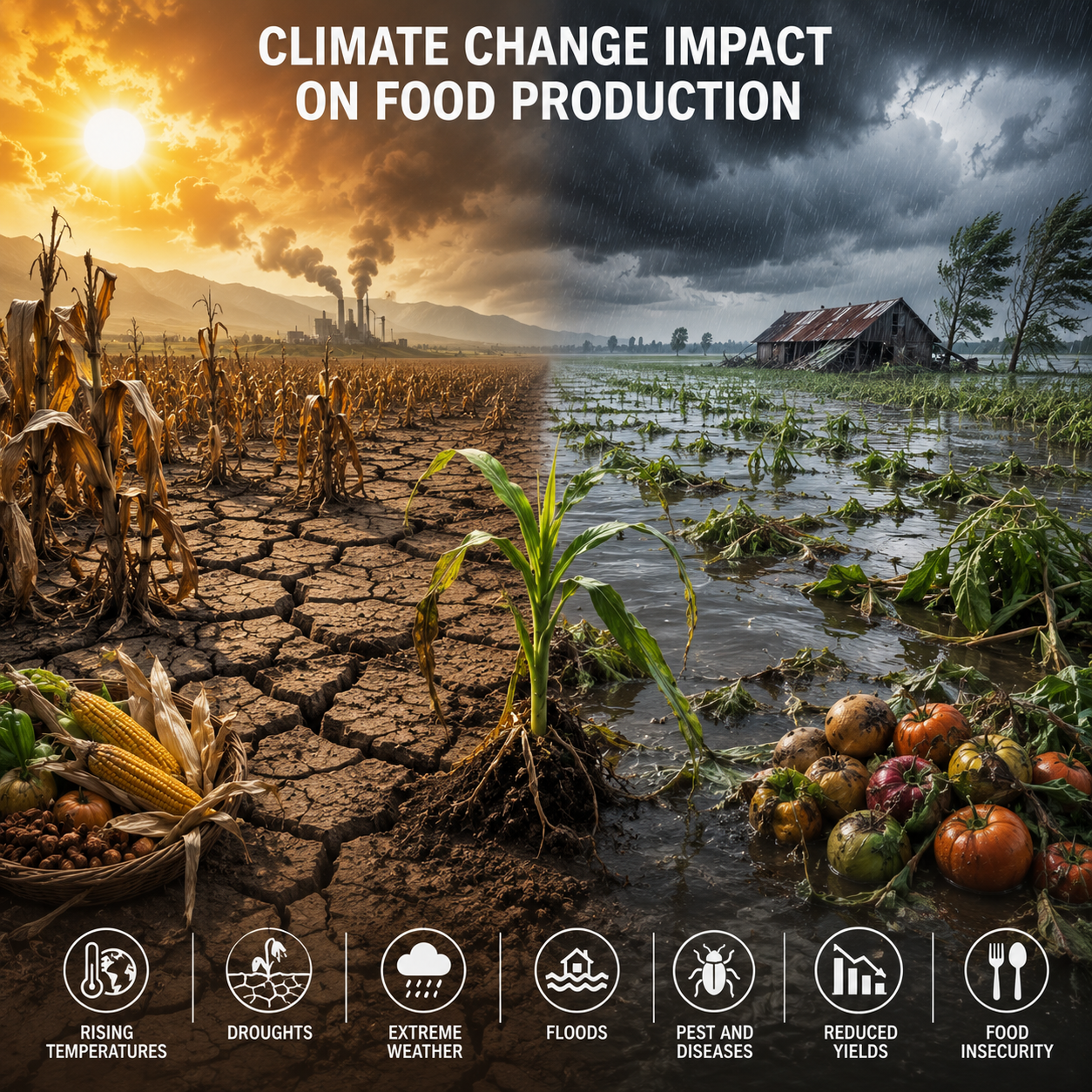
Climate Change Impact on Food Production
One of the most direct links between climate change and global food security in 2026 is its effect on agricultural productivity.
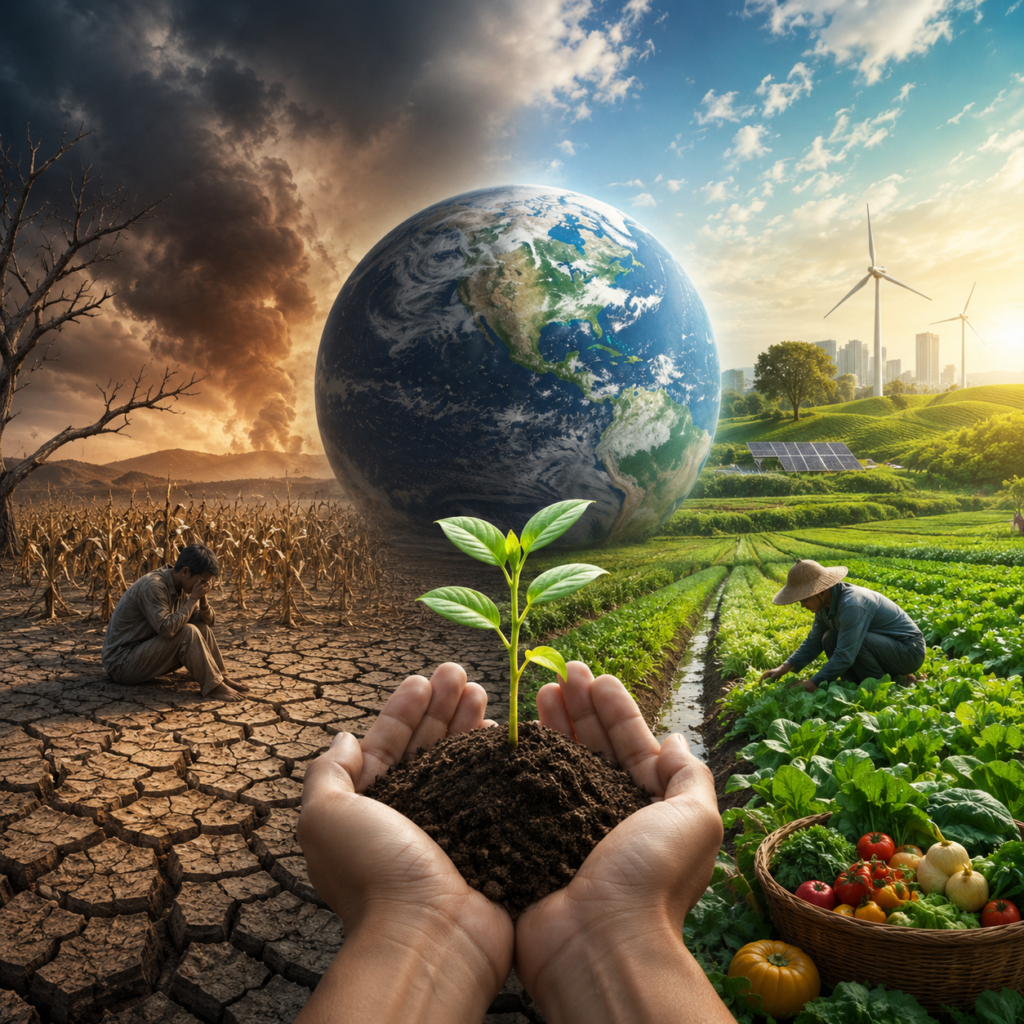
Rising global temperatures are reducing the yields of staple crops such as wheat, rice, and maize. Heat stress affects plant growth, shortens growing seasons, and reduces grain quality. In many regions, farmers are struggling to maintain productivity due to unpredictable weather conditions.
Extreme weather events like floods, droughts, and storms have become more frequent. As a result, climate change and global food security in 2026 are increasingly interconnected.
Water Scarcity and Its Role in Food Security
Water is a fundamental resource for agriculture, and its scarcity is intensifying due to climate change. The connection between climate change and global food security in 2026 is evident in regions facing severe droughts and declining water supplies. Reduced rainfall and melting glaciers are affecting irrigation systems worldwide.
Farmers are now forced to rely on limited groundwater resources, which are depleting rapidly. Without sufficient water, crop production declines, directly impacting food availability and affordability.
Rising Hunger and Food Insecurity
Another major consequence of climate change and global food security in 2026 is the increase in global hunger levels. Millions of people are experiencing food insecurity due to reduced agricultural output and rising food prices.
Food insecurity is no longer just about availability; it is also about access. Even when food is available, many people cannot afford it. This highlights the complex relationship between climate change and global food security in 2026.
Declining Nutritional Quality of Food
An emerging issue in climate change and global food security in 2026 is the decline in the nutritional value of food.
Higher levels of carbon dioxide in the atmosphere are reducing the concentration of essential nutrients such as protein, iron, and zinc in crops. This phenomenon, known as nutrient dilution, is contributing to malnutrition.
As a result, climate change and global food security in 2026 are not only about the quantity of food but also its quality.
Climate Change, Conflict, and Food Supply Chains
The relationship between climate change and global food security in 2026 is further complicated by geopolitical conflicts. Climate-induced resource scarcity can lead to conflicts over land and water. At the same time, wars disrupt food production and supply chains.
Transportation issues, trade restrictions, and rising fuel prices all contribute to food shortages. These factors make climate change and global food security in 2026 a multidimensional challenge.
Global Food Supply Chain Vulnerability
Modern food systems are highly interconnected. A disruption in one region can affect food availability worldwide. The link between climate change and global food security in 2026 is evident in how climate disasters in one country can lead to global price fluctuations.
Supply chain disruptions caused by extreme weather events highlight the fragility of global food systems. This makes it essential to strengthen resilience in food distribution networks.
Climate-Resilient Agriculture: A Key Solution
To address the challenges of climate change and global food security in 2026, countries are adopting climate-resilient agricultural practices. These include:
- Drought-resistant crop varieties
- Efficient irrigation systems
- Sustainable farming techniques
- Soil conservation practices
Climate-resilient agriculture aims to reduce the vulnerability of food systems to climate change. It is a crucial step toward ensuring long-term food security.
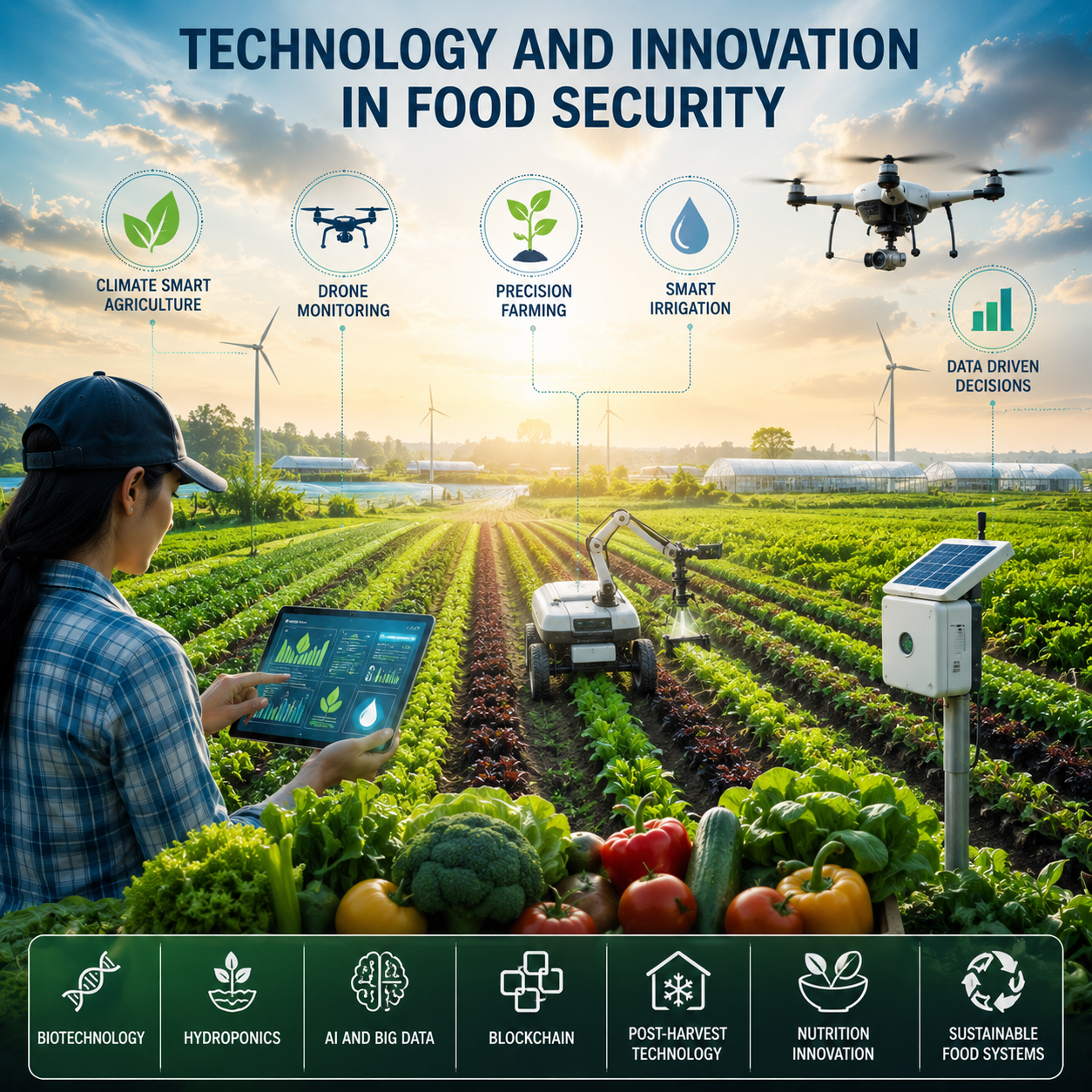
Technology and Innovation in Food Security
Technology is playing an important role in tackling climate change and global food security in 2026. Innovations such as precision farming, artificial intelligence, and satellite monitoring are helping farmers make better decisions. These technologies improve efficiency and reduce resource wastage.
Additionally, alternative food sources such as plant-based proteins and lab-grown meat are gaining popularity. These innovations can help reduce the environmental impact of food production.
Climate Inequality and Food Security
One of the most concerning aspects of climate change and global food security in 2026 is inequality. Developing countries, which contribute the least to global emissions, are experiencing the most severe impacts. Limited resources and infrastructure make it difficult for these countries to adapt.
Addressing inequality is essential for solving climate change and global food security in 2026. Global cooperation and support are needed to ensure that all nations can build resilient food systems.
Policy and Global Cooperation
Governments and international organizations play a critical role in addressing climate change and global food security in 2026. Policies focused on sustainable agriculture, climate adaptation, and food distribution are essential. International cooperation is necessary to tackle global challenges effectively. Investments in research, infrastructure, and education can help mitigate the impacts of climate change on food systems.
Future Outlook
The future of climate change and global food security in 2026 depends on the actions taken today. If current trends continue, the world may face increased food shortages, higher prices, and widespread hunger. However, with the right strategies, it is possible to build a more sustainable and resilient food system. Innovation, policy changes, and global collaboration will play key roles in shaping the future.