


Introduction
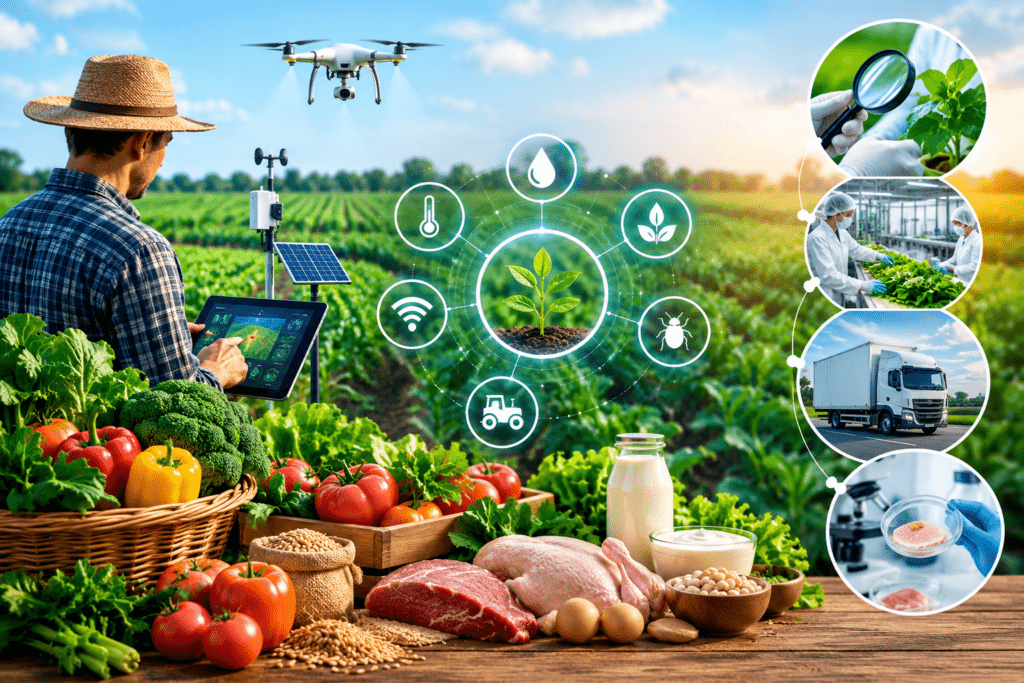
The future of food safety is becoming increasingly important as the global food industry faces new challenges, including food contamination, climate change, supply chain disruptions, and changing consumer expectations. In 2027, technology and modern safety practices are expected to play an even greater role in protecting consumers and improving food quality.
From artificial intelligence to digital food tracking, innovative solutions are transforming how food businesses identify risks and prevent contamination. Understanding the future of food safety can help restaurants, manufacturers, farmers, and consumers make safer decisions.
1. Artificial Intelligence in Food Safety
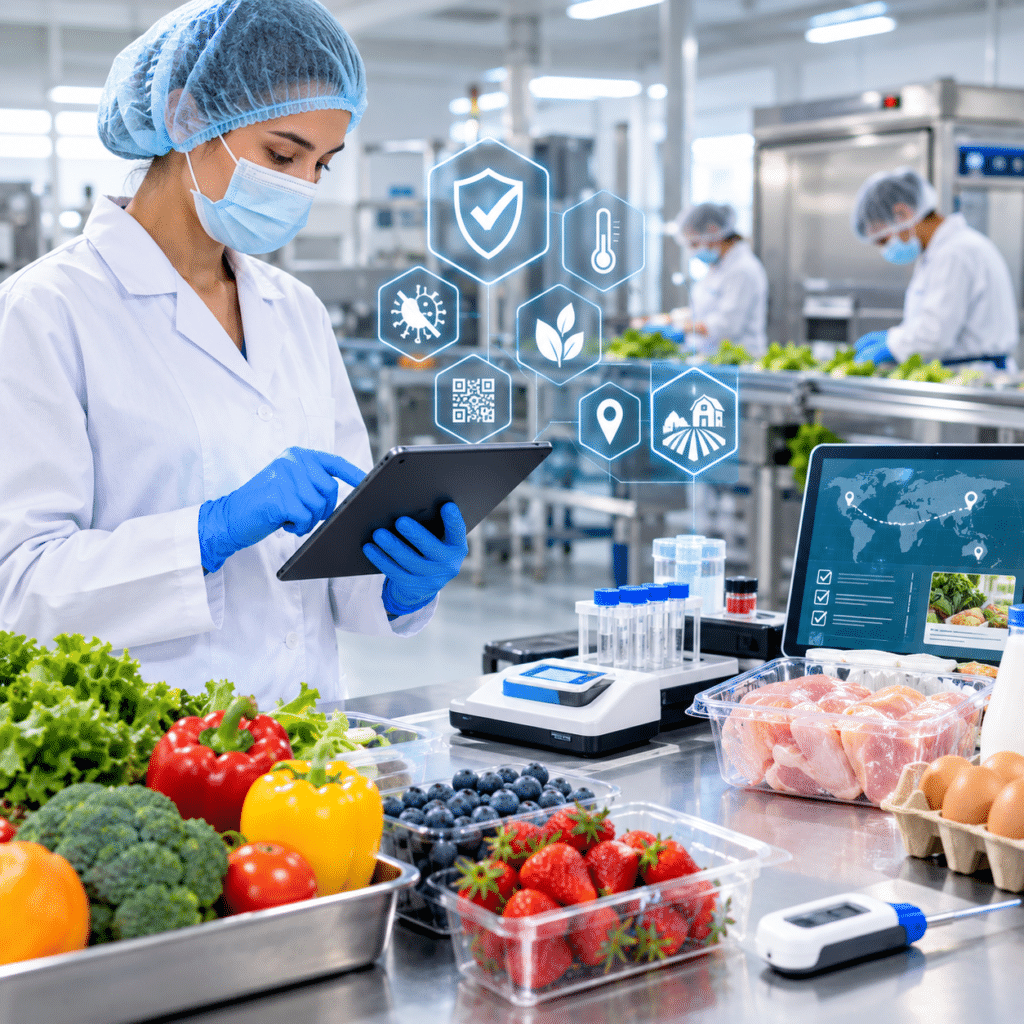
Artificial intelligence (AI) is expected to become an important tool in food safety management. AI-powered systems can analyze large amounts of data, identify unusual patterns, and help businesses detect potential contamination risks earlier.
For example, food manufacturers may use AI-powered cameras to identify damaged packaging, detect visible defects, and monitor production processes. Predictive analytics can also help businesses identify areas where hygiene problems may occur.
In 2027, the future of food safety will increasingly depend on combining intelligent technology with trained food safety professionals. However, AI findings must be verified through appropriate inspections and testing.
2. Digital Food Traceability
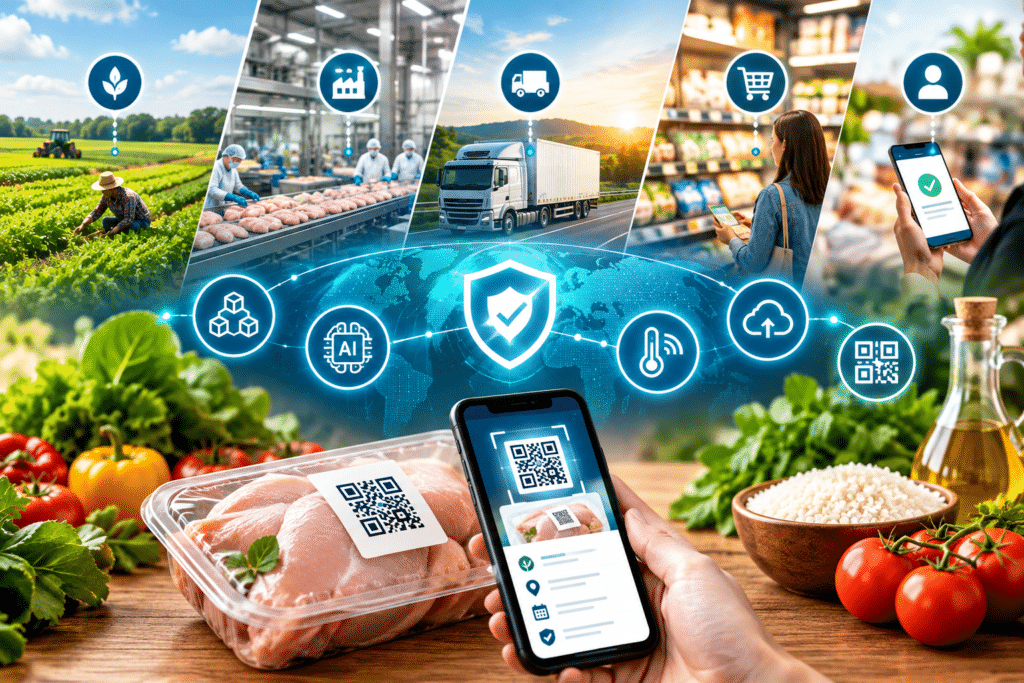
Food traceability allows businesses to track food products from farms to processing facilities, warehouses, retailers, and restaurants. Digital records can help identify where a product originated and how it moved through the supply chain.
Technologies such as QR codes, cloud databases, and block-chain-based systems can improve access to product information and support faster recalls when contamination is discovered.
The future of food safety will benefit from accurate digital records because businesses can respond more quickly to food safety incidents and reduce the distribution of affected products.
3. Smart Sensors and Real-Time Monitoring
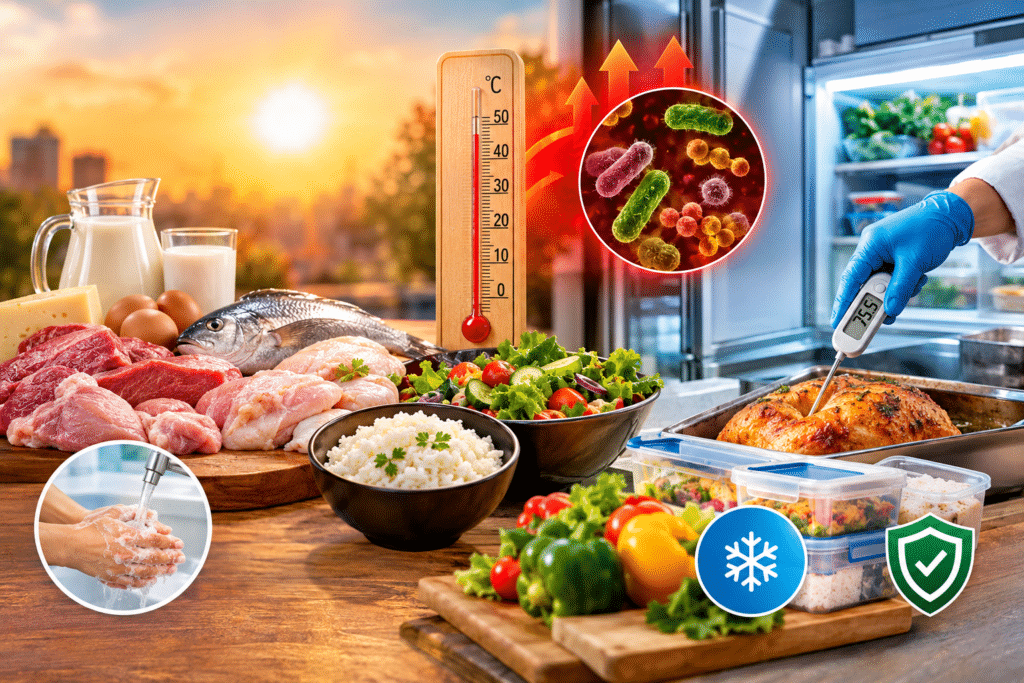
Temperature control is essential for protecting perishable foods, including meat, dairy products, seafood, and prepared meals. Temperature changes during storage or transportation can increase the risk of harmful microbial growth.
Smart sensors and Internet of Things (IoT) devices can continuously monitor temperature, humidity, and other relevant conditions. When readings move outside established limits, the system can alert staff so they can investigate and take corrective action.
These technologies can help restaurants, supermarkets, and food transportation companies maintain better control over storage conditions.
4. Climate Change and Emerging Food Safety Risks
Climate change can create additional challenges for food safety. Rising temperatures, floods, droughts, and changing rainfall patterns can affect water quality, agricultural production, food storage, and the spread of certain food-borne hazards.
In countries such as Pakistan, extreme heat can make reliable refrigeration and safe food transportation particularly important.
Businesses should strengthen temperature controls, protect food and water supplies from contamination, and develop emergency plans for extreme weather. These measures will be an important part of the future of food safety.
5. Stronger Food Hygiene and Preventive Controls
Although technology is advancing, basic hygiene practices remain essential. Hand-washing, cleaning and sanitizing equipment, preventing cross-contamination, and maintaining safe cooking temperatures are fundamental food safety measures.
Food businesses can strengthen their systems by implementing Hazard Analysis and Critical Control Point (HACCP) principles and training employees to recognize potential hazards.
In 2027, successful food safety programs will combine modern monitoring systems with effective hygiene procedures, regular inspections, and clear staff responsibilities.
6. Sustainable Packaging and Food Safety
Sustainable packaging is becoming more important as businesses seek to reduce plastic waste and environmental impacts. However, packaging must also protect food from contamination, moisture, damage, and other hazards.
New materials and reusable packaging systems must be evaluated for their intended food-contact use, cleaning requirements, and ability to maintain product quality.
The future of food safety will require businesses to balance environmental responsibility with consumer protection. Choosing suitable food-grade packaging and following proper storage instructions can help achieve both goals.
7. Consumer Awareness and Digital Food Information
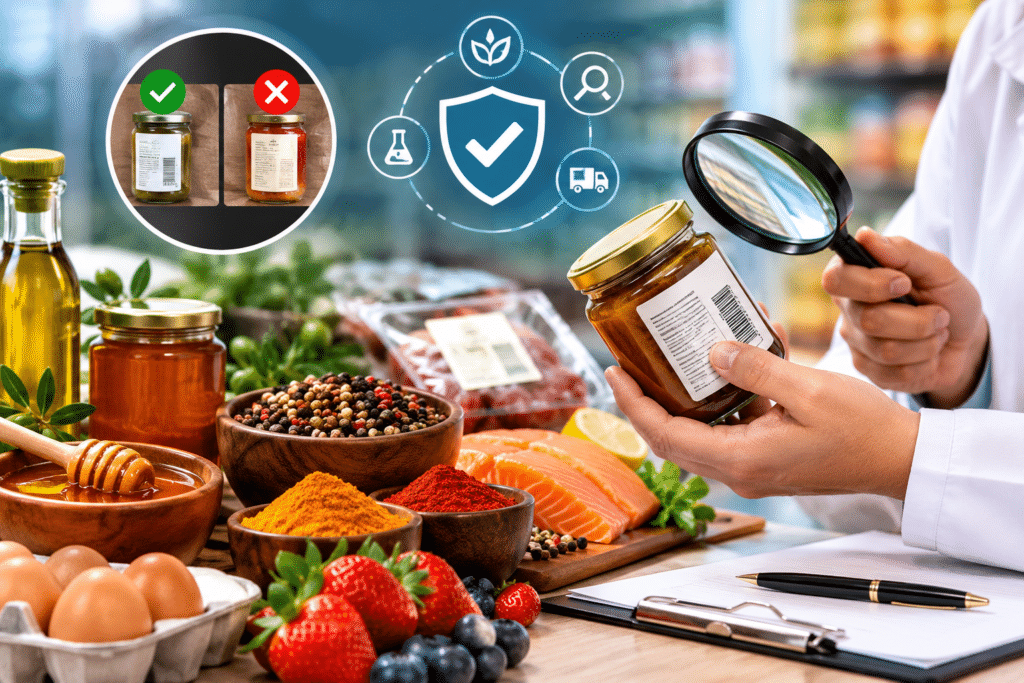
Consumers increasingly want to know where their food comes from, how it was produced, and whether it meets relevant safety standards. Digital labels and QR codes can make information about ingredients, allergens, storage, and product origin easier to access.
Education will remain essential because technology alone cannot prevent every food safety problem. Consumers should follow storage instructions, separate raw and cooked foods, wash their hands, and avoid eating food that has been stored unsafely.
Better awareness can encourage safer choices at home and when dining out.
Challenges in Implementing New Food Safety Technology
Despite its benefits, modern food safety technology can be expensive to introduce. Small restaurants and food businesses may face difficulties paying for sensors, digital systems, staff training, and regular maintenance.
Other challenges include unreliable internet access, inaccurate data, cybersecurity concerns, and a shortage of trained workers.
Affordable tools, practical training, and clear procedures can help smaller businesses improve food safety without relying on costly systems.
Conclusion
The future of food safety in 2027 will be shaped by artificial intelligence, digital traceability, smart sensors, climate adaptation, sustainable packaging, and stronger preventive practices. These developments can help food businesses identify risks earlier, improve transparency, and protect public health.
However, technology must support—not replace—good hygiene, employee training, inspections, and scientific food safety controls. By adopting suitable innovations and maintaining strong preventive measures, businesses can build a safer and more reliable food system.