




Introduction
Kitchen safety in 2026 is more important than ever as modern lifestyles, advanced appliances, and evolving food habits bring both convenience and risks. Whether you are cooking at home or managing a professional kitchen, maintaining proper hygiene and safety practices is essential to prevent accidents, food contamination, and health issues.
In this article, you will learn practical, updated, and effective strategies to ensure kitchen safety in 2026 and beyond.
Why Kitchen Safety in 2026 Matters
Kitchen safety in 2026 is not just about avoiding burns or cuts it also includes preventing food-borne illnesses, ensuring proper storage, and maintaining a clean environment. With the rise in processed foods, smart kitchens, and fast-paced lifestyles, ignoring safety can lead to serious consequences such as:
- Food poisoning
- Fire hazards
- Cross-contamination
- Injuries from appliances
A safe kitchen means a healthy family and a stress-free cooking experience.
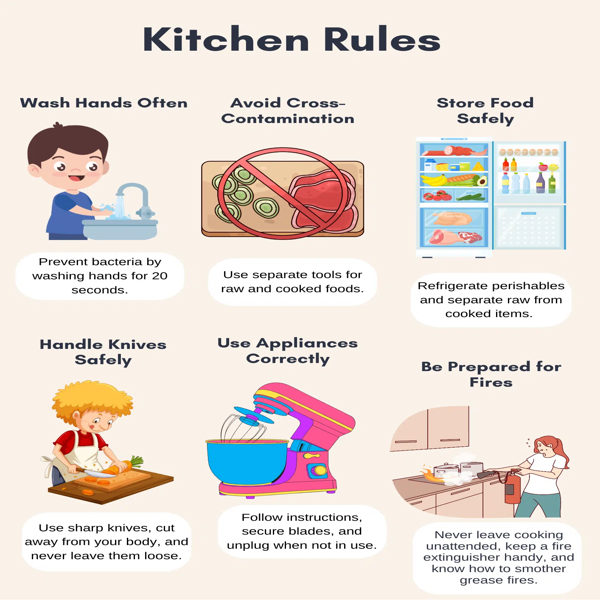
1. Maintain Proper Hygiene Standards
Hygiene is the foundation of kitchen safety in 2026. Without cleanliness, even the best cooking practices can become harmful.
Key Hygiene Practices:
- Wash hands before and after handling food
- Clean kitchen surfaces regularly
- Use separate cutting boards for raw and cooked food
- Keep nails short and clean
Why It Matters
Bacteria like Salmonella and E. coli thrive in unclean environments.
2. Safe Food Storage Techniques
One of the most overlooked aspects of kitchen safety in 2026 is proper food storage.
Best Practices:
- Store perishable items in the refrigerator below 5°C
- Label food with dates
- Avoid overloading the fridge
- Keep raw meat separate from vegetables
Modern Tip (2026):
Use smart refrigerators that alert you about expired food and temperature changes.
3. Prevent Cross Contamination
Cross-contamination is a major cause of food-borne illness and a critical part of kitchen safety in 2026.
How to Prevent It:
- Wash cutting boards after each use
- Store raw meat in sealed containers
Pro Tip:
Color-coded cutting boards are widely recommended in modern kitchens.
4. Fire Safety in the Kitchen
Kitchen fires remain one of the leading household accidents, making fire prevention a key element of kitchen safety in 2026.
Safety Tips:
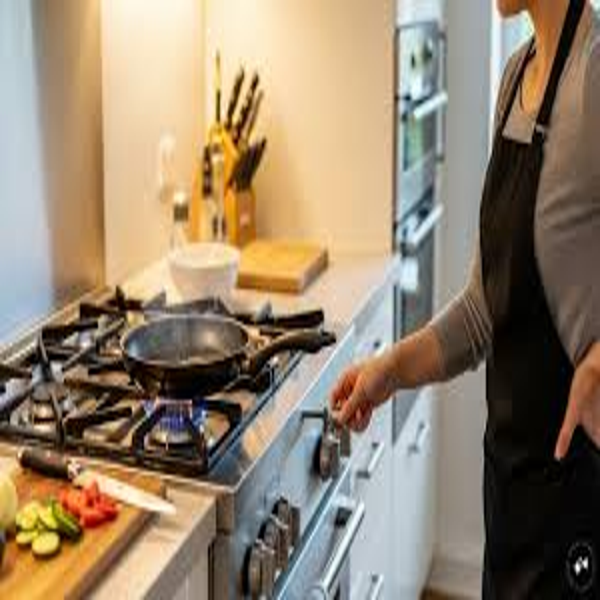
- Never leave cooking unattended
- Keep flammable items away from stoves
- Install smoke detectors
- Keep a fire extinguisher nearby
In Case of Fire:
- Turn off the gas supply
- Use a lid to smother flames
- Never use water on oil fires
5. Safe Use of Kitchen Appliances
Modern kitchens in 2026 include smart and high-tech appliances. While convenient, improper use can be dangerous.
Guidelines:
- Read user manuals carefully
- Avoid using damaged appliances
- Keep electrical devices away from water
- Turn off appliances after use
Smart Kitchen Tip:
Use appliances with auto shut-off features to enhance kitchen safety in 2026.
6. Knife Safety and Handling
Knives are essential tools but can cause serious injuries if mishandled.
Knife Safety Tips:
- Cut away from your body
- Store knives properly in holders
- Never leave knives in the sink
7. Child Safety in the Kitchen
If you have children at home, kitchen safety in 2026 must include childproofing measures.
Child Safety Measures:
- Keep sharp objects out of reach
- Use stove guards
- Lock cabinets containing chemicals
- Supervise children while cooking “
8. Proper Waste Management
Waste buildup can lead to bacteria growth and unpleasant odors.
Best Practices:
- Dispose of garbage daily
- Use covered bins
- Separate organic and non-organic waste
- Clean bins regularly
Eco-Friendly Tip:
Composting is a sustainable way to manage kitchen waste in 2026.
9. Personal Safety While Cooking
Your own safety is just as important as food safety.
Tips:
- Avoid loose clothing near flames
- Tie back long hair
- Use oven mitts for hot utensils
- Stay focused while cooking
10. Use of Technology for Kitchen Safety in 2026
Technology plays a huge role in improving kitchen safety in 2026.
Smart Safety Features:
- Smart smoke detectors
- Gas leak sensors
- AI-powered cooking assistants
- Temperature monitoring devices
These innovations help prevent accidents before they happen.
11. Food Allergy Awareness
Food allergies are becoming more common, making awareness essential.
Safety Tips:
- Label allergen-containing foods
- Clean utensils thoroughly
- Inform family members about allergies
12. Regular Kitchen Maintenance
A well-maintained kitchen is a safe kitchen.
Maintenance Checklist:
- Check gas pipes for leaks
- Clean exhaust systems
- Repair broken tiles or surfaces
- Service appliances regularly
13. Emergency Preparedness
Being prepared can save lives in emergencies.
What to Keep Ready:
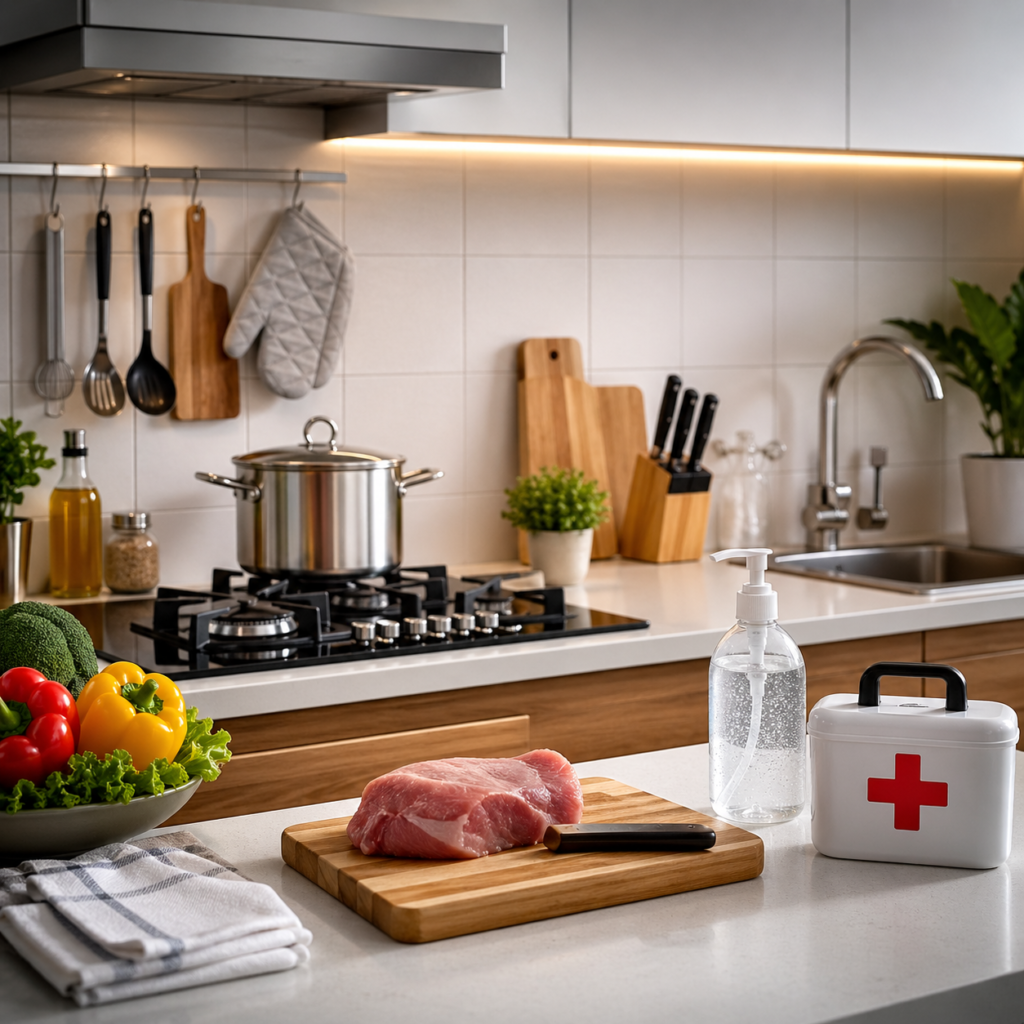
- First aid kit
- Emergency contact numbers
- Fire extinguiser
- Basic medical supplies
14. Sustainable and Safe Cooking Practices
In 2026, sustainability is part of safety.
Tips:
- Use non-toxic cookware
- Avoid plastic in high heat
- Reduce food waste
- Choose organic ingredients
15. Training and Awareness
Education is key to maintaining kitchen safety in 2026.
Recommendations:
- Teach family members basic safety rules
- Stay updated with modern safety practices
- Follow health authority guidelines
Common Kitchen Hazards to Avoid
Understanding risks helps improve kitchen safety in 2026.
- Wet floors causing slips
- Improper food handling
- Faulty appliances
- Overcrowded cooking space
Future of Kitchen Safety Beyond 2026
The future of kitchen safety in 2026 and beyond will rely heavily on automation and smart technology.
Expected Trends:
- AI-powered kitchens
- Automated cleaning systems
- Voice-controlled appliances
- Smart inventory tracking
These advancements will make kitchens safer and more efficient.