


Introduction
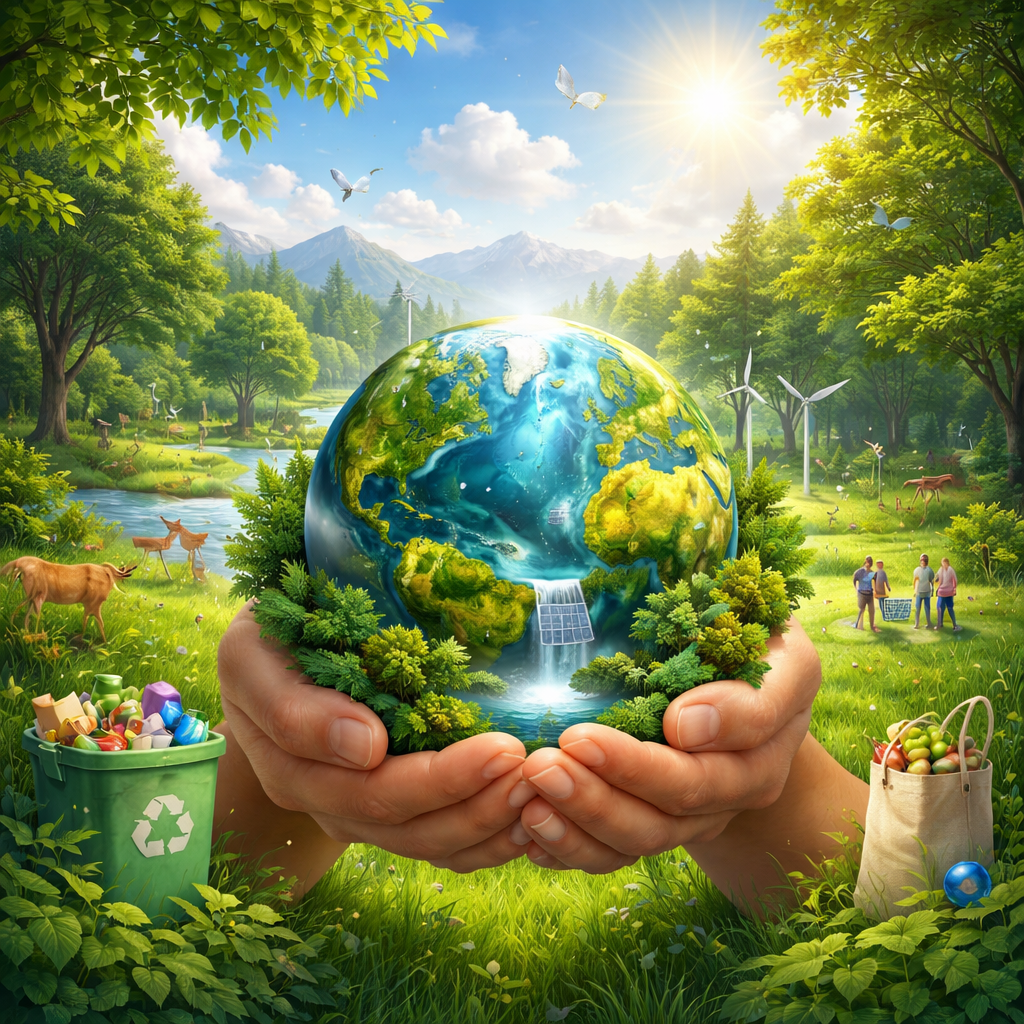
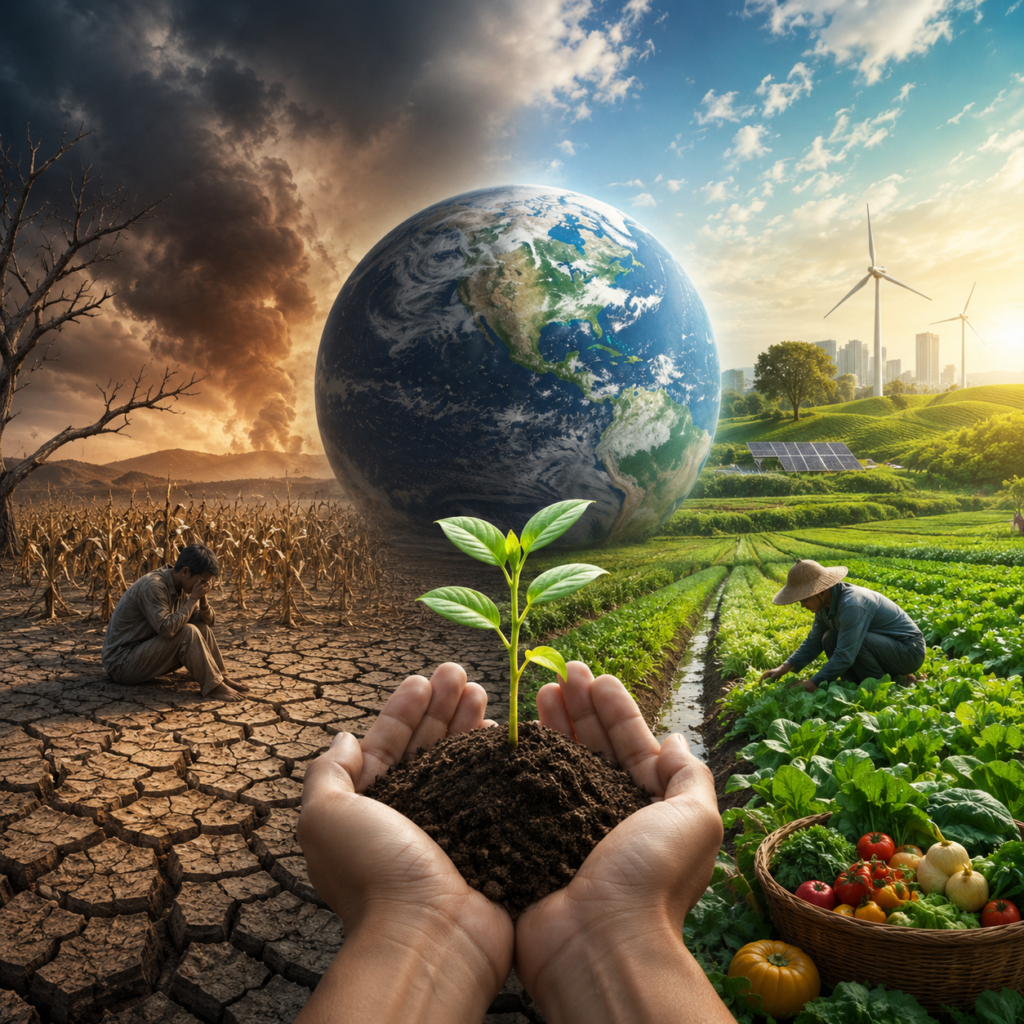
Protecting our environment has become one of the most important responsibilities of modern society. The environment provides us with essential resources such as clean air, water, food, and shelter. However, rapid industrialization, deforestation, pollution, and climate change are putting enormous pressure on the natural world.
If we do not take action now, environmental degradation may threaten ecosystems, wildlife, and even human survival. Protecting our environment is not only about preserving nature but also about ensuring a sustainable future for the next generations.
Why Protecting Our Environment Is Important
The environment supports life on Earth in many ways. Healthy ecosystems regulate climate, maintain biodiversity, and provide resources necessary for economic growth.
1. Supports Human Survival
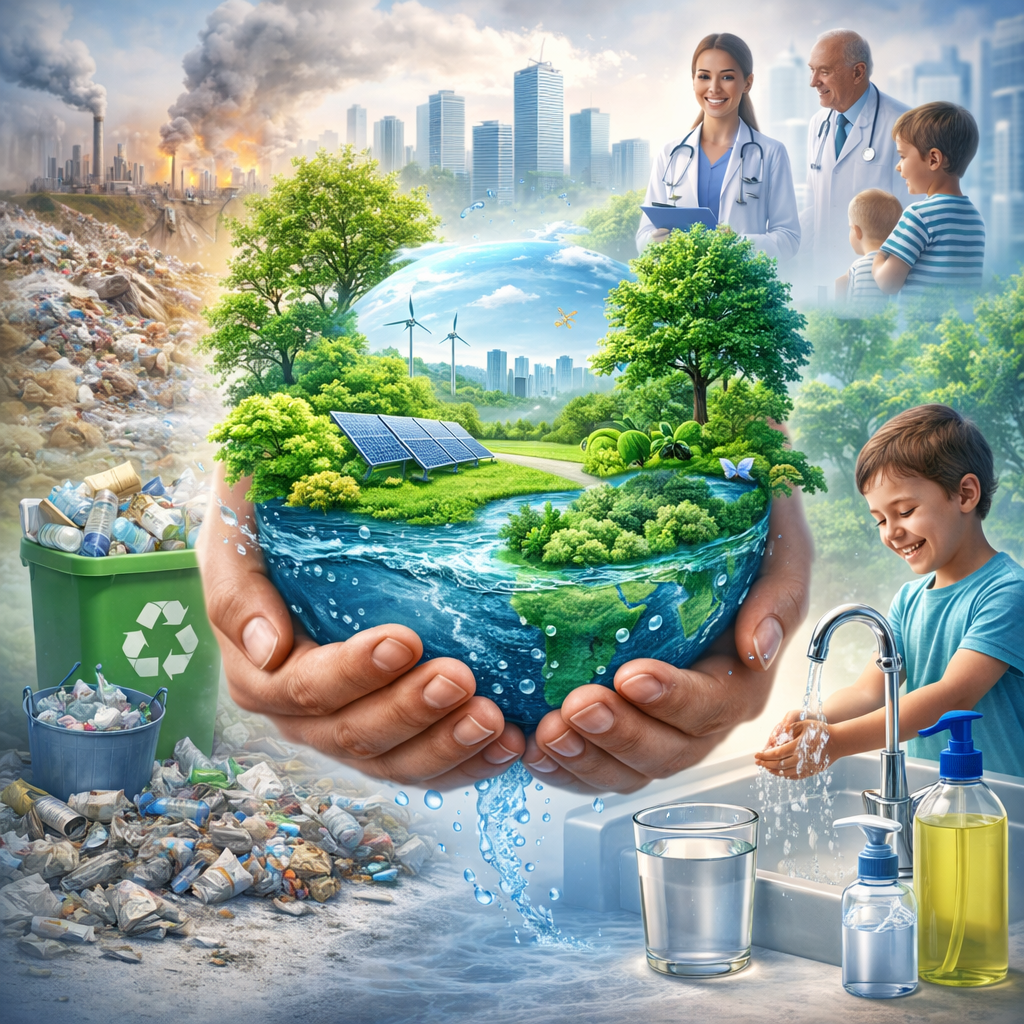
Clean air, safe drinking water, and fertile soil are essential for human life. When our environment is polluted or damaged, it directly affects public health and quality of life.
2. Maintains Ecosystem Balance
Nature works through interconnected systems. Protecting our environment ensures that these natural systems continue functioning properly.
3. Protects Wildlife and Biodiversity
Millions of species depend on forests, oceans, rivers, and grasslands for survival. Environmental destruction threatens many species with extinction. Protecting our environment helps preserve biodiversity and maintain ecological balance.
Major Environmental Challenges
Today, the world faces several environmental challenges that require urgent attention.
1. Climate Change
Climate change is one of the biggest threats to our environment. Rising global temperatures are causing extreme weather events, melting glaciers, and rising sea levels. These changes impact ecosystems and human communities alike.
2. Deforestation
Forests play a crucial role in absorbing carbon dioxide and supporting wildlife habitats. Unfortunately, large areas of forests are being cleared for agriculture, urban development, and industrial activities. This destruction severely harms our environment.
3. Pollution
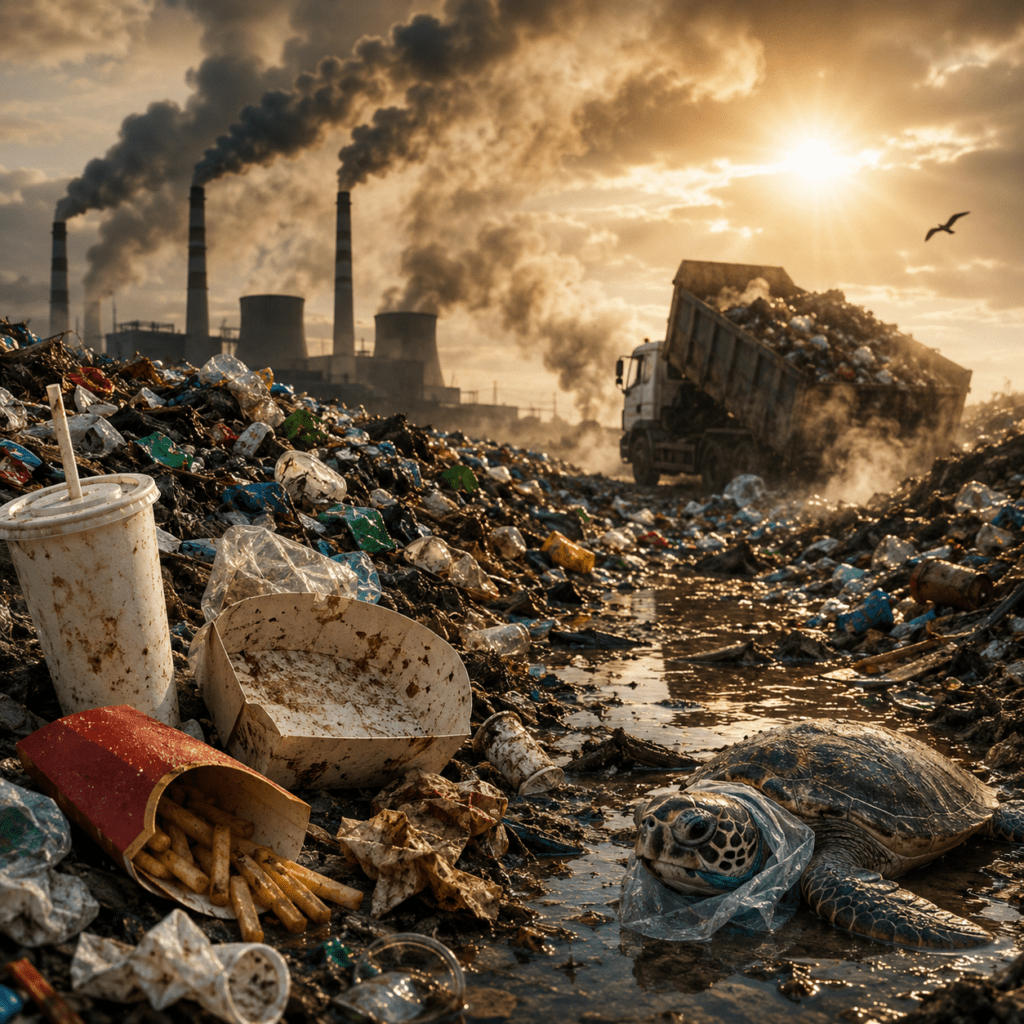
Air, water, and soil pollution are major problems affecting the planet. Industrial waste, plastic pollution, and chemical pesticides contaminate ecosystems and endanger both wildlife and human health.
Simple Ways to Protect Our Environment
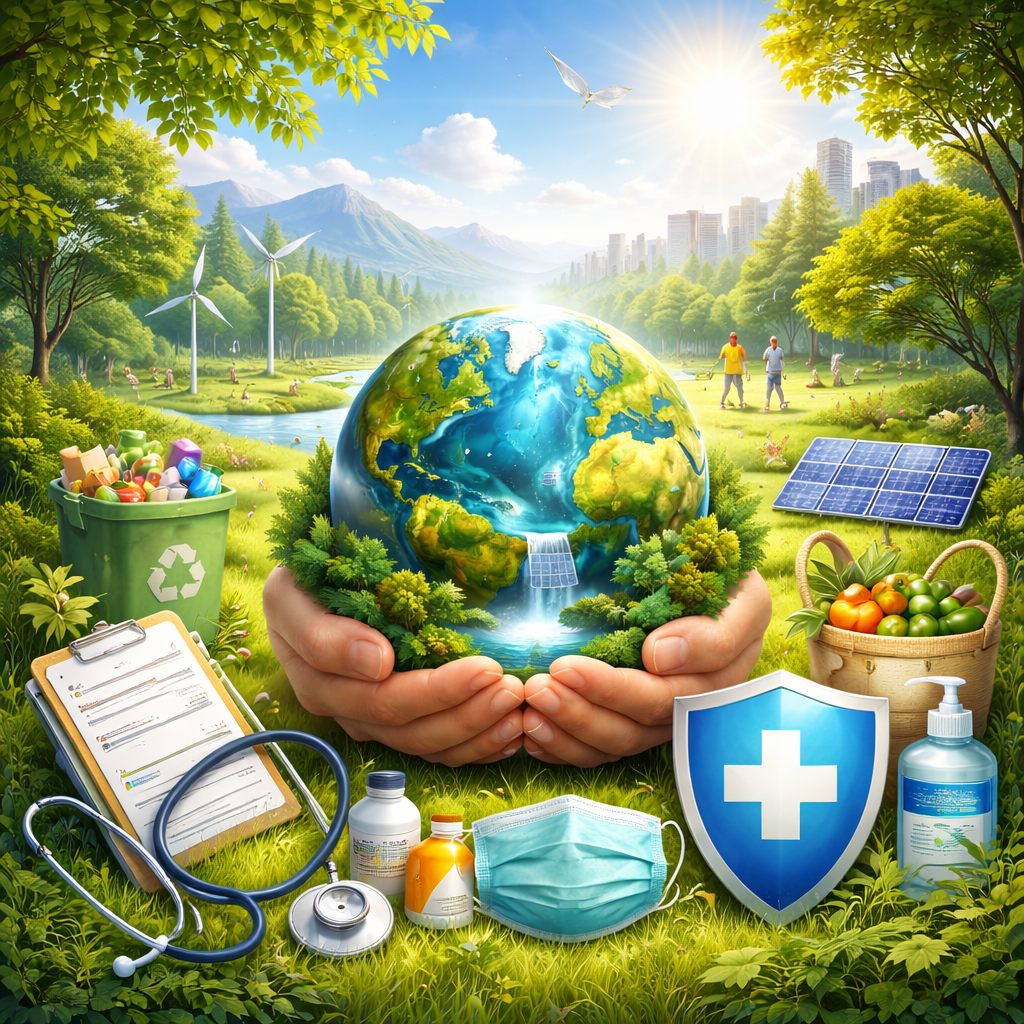
Every individual can contribute to protecting our environment through small but meaningful actions.
1. Reduce, Reuse, and Recycle
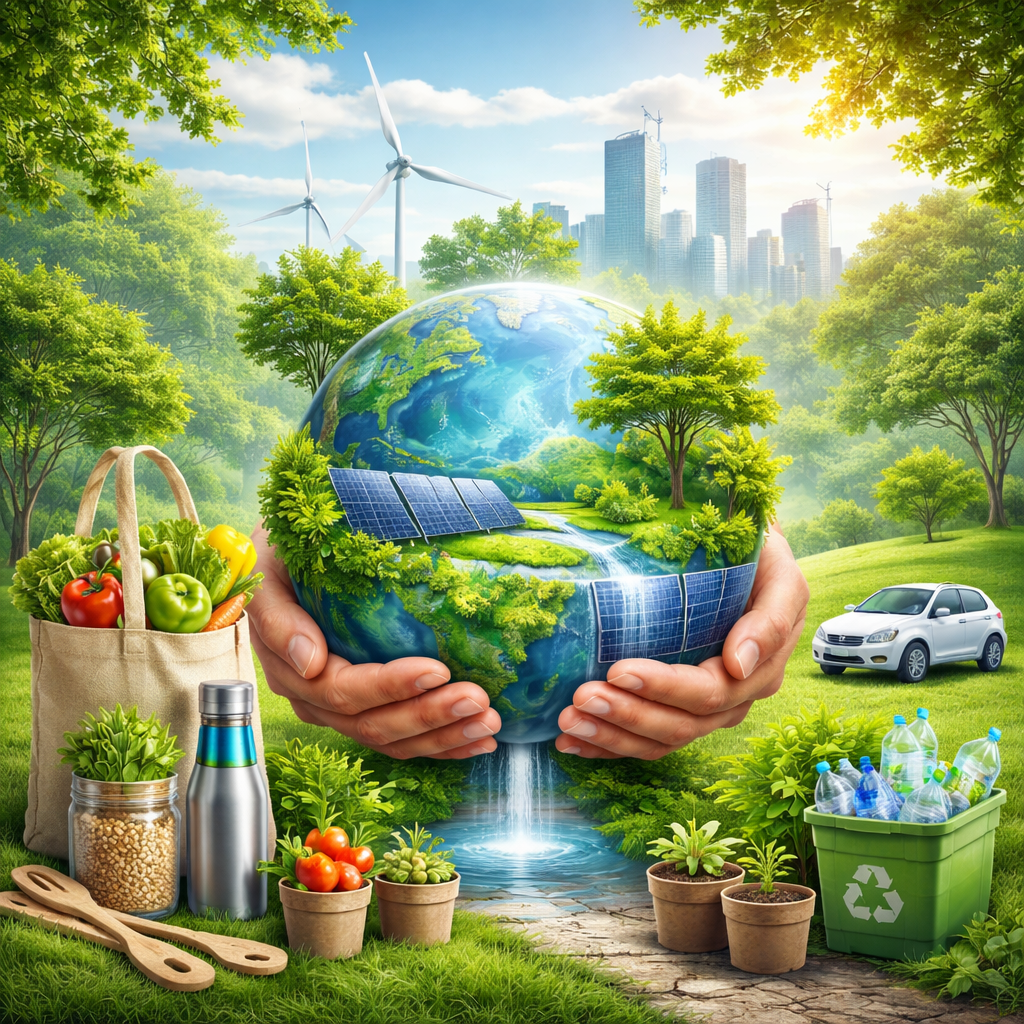
Reducing waste is one of the most effective ways to protect the planet. Recycling materials such as paper, plastic, and glass helps conserve natural resources and reduce pollution.
2. Plant Trees
Trees are essential for maintaining ecological balance. They absorb carbon dioxide, release oxygen, and provide habitats for wildlife. Tree planting is a simple yet powerful step toward protecting our environment.
3. Save Energy and Water
Using energy-efficient appliances and conserving water can significantly reduce environmental impact. Turning off unused lights and fixing water leaks can make a big difference.
4. Use Sustainable Products
Choosing eco-friendly products supports sustainable practices that reduce harm to our environment.
Role of Communities and Governments
While individual actions are important, large-scale environmental protection requires strong policies and community involvement. Governments must implement environmental laws, promote renewable energy, and protect natural habitats.
Communities can also contribute by organizing environmental awareness programs, tree-planting campaigns, and conservation projects. When governments, organizations, and individuals work together, protecting our environment becomes more effective and sustainable.