




Introduction
A clean environment is essential for maintaining good health and preventing diseases. In 2026, the role of clean environment in disease prevention has become more important than ever due to rising pollution, population growth, and urbanization. Clean air, safe water, and proper sanitation are key factors that protect individuals and communities from harmful diseases. Understanding the importance of environmental cleanliness can help reduce health risks and improve overall well-being.
Why a Clean Environment Matters
A clean environment directly impacts human health. Polluted surroundings can lead to serious illnesses, while clean conditions promote a healthier lifestyle. The role of clean environment in disease prevention includes reducing exposure to harmful pathogens, improving air quality, and ensuring safe living conditions. When communities maintain cleanliness, the spread of infectious diseases can be significantly controlled.
Air Quality and Health
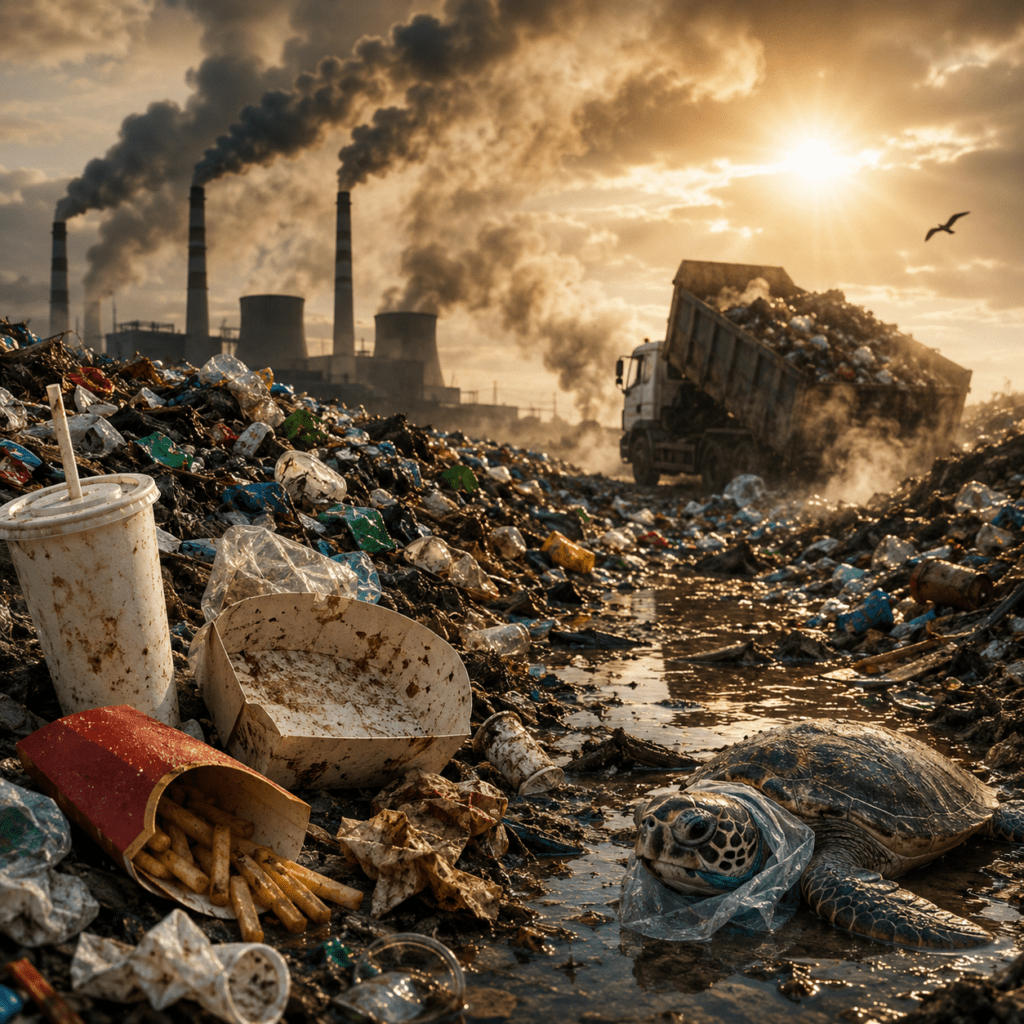
Air pollution is one of the leading causes of health problems worldwide. Poor air quality can result in respiratory diseases, allergies, and even heart conditions.
Effects of Air Pollution:
- Asthma and breathing problems
- Lung infections
- Increased risk of heart disease
- Reduced immunity
Improving air quality is a major part of the role of clean environment in disease prevention, as it protects people from airborne diseases and long-term health issues.
Importance of Clean Water
Access to clean and safe drinking water is crucial for disease prevention. Contaminated water can carry harmful bacteria, viruses, and parasites.
Water-Related Diseases:
- Cholera
- Typhoid
- Diarrhea
- Hepatitis A
Ensuring proper water treatment and sanitation highlights the role of clean environment in disease prevention, especially in developing regions where waterborne diseases are common.
Sanitation and Hygiene
Proper sanitation and hygiene practices are essential for maintaining a clean environment. Poor waste management and lack of hygiene can lead to the spread of infectious diseases.
Key Practices:
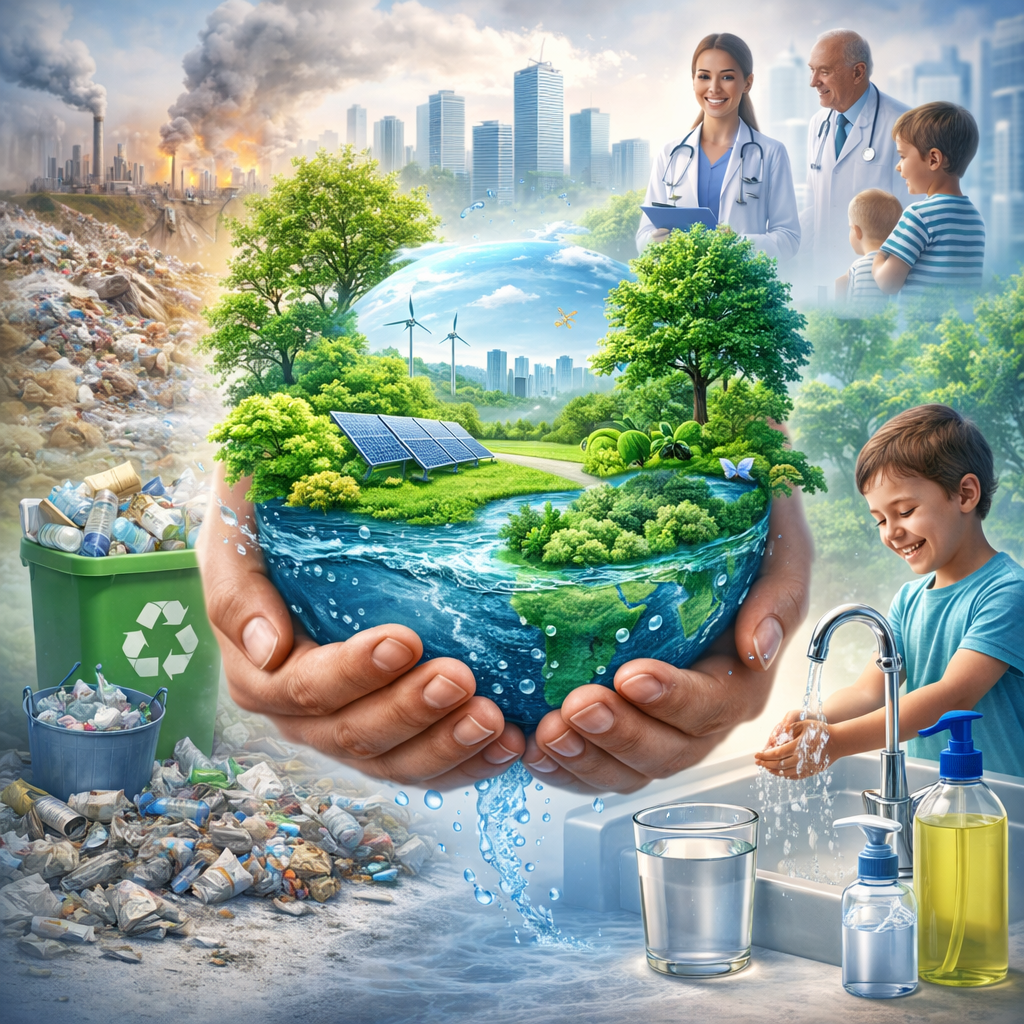
- Regular handwashing
- Proper waste disposal
- Clean toilets and sewage systems
- Food hygiene
These practices play a significant role in strengthening the role of clean environment in disease prevention by minimizing exposure to harmful microorganisms.
Impact on Infectious Diseases
A clean environment helps reduce the spread of infectious diseases. Many illnesses spread through contaminated surfaces, water, and air.
Common Infectious Diseases Prevented:
- Influenza
- COVID-19
- Tuberculosis
- Gastrointestinal infections
Maintaining cleanliness reduces the transmission of these diseases and emphasizes the role of clean environment in disease prevention.
Environmental Pollution and Chronic Diseases
Environmental pollution is linked to several chronic health conditions. Long-term exposure to pollutants can have severe effects on the body.
Chronic Conditions:
- Cancer
- Cardiovascular diseases
- Respiratory disorders
- Neurological issues
Reducing pollution is essential to enhance the role of clean environment in disease prevention and ensure long-term health benefits.
Community and Government Responsibility
Maintaining a clean environment requires collective efforts from individuals, communities, and governments.
Responsibilities Include:
- Implementing environmental protection laws
- Promoting awareness campaigns
- Ensuring proper waste management systems
- Encouraging sustainable practices
Strong policies and community participation strengthen the role of clean environment in disease prevention.
Simple Steps to Maintain a Clean Environment
Individuals can take small but effective actions to contribute to a healthier environment.
Practical Tips:
- Avoid littering
- Use clean water for drinking and cooking
- Reduce plastic use
- Keep surroundings clean
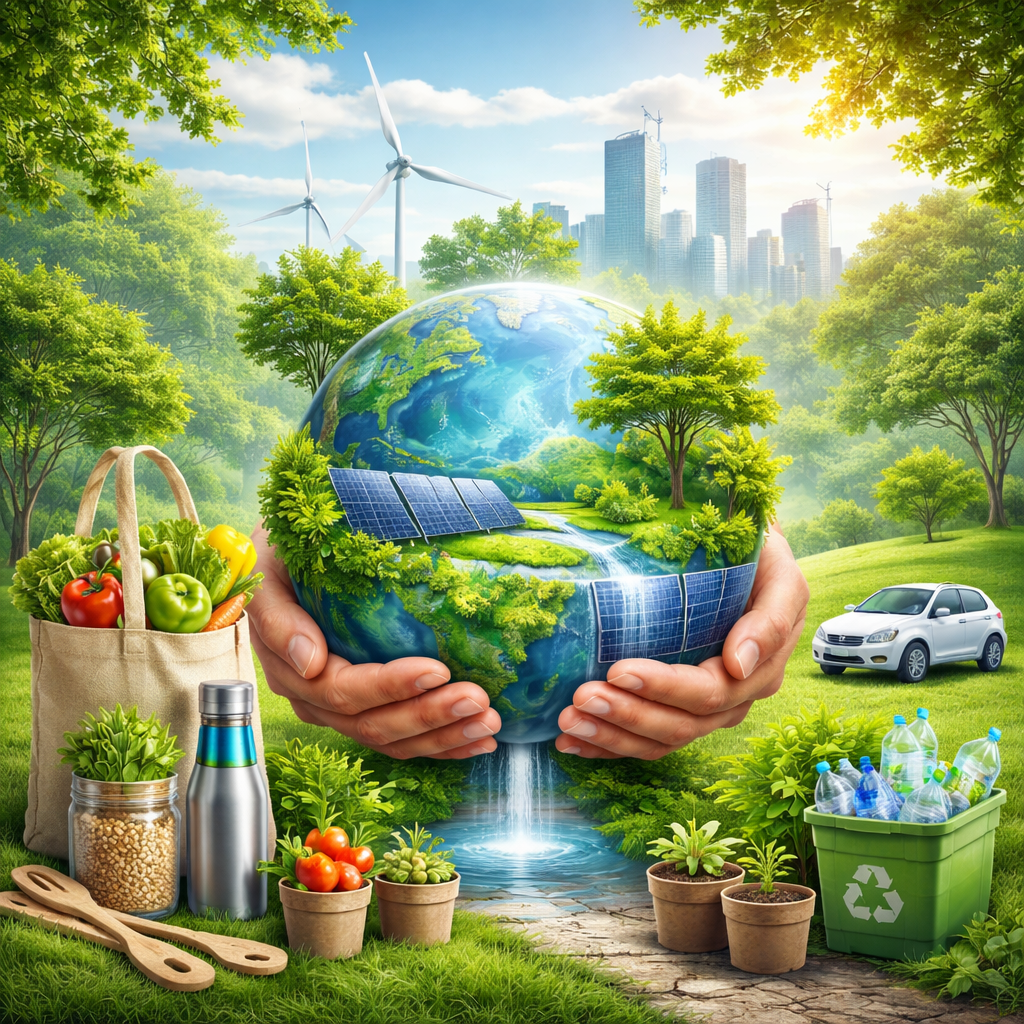
- Plant trees and support green initiatives
These simple steps can significantly improve the role of clean environment in disease prevention.
The Future of Public Health and Environment
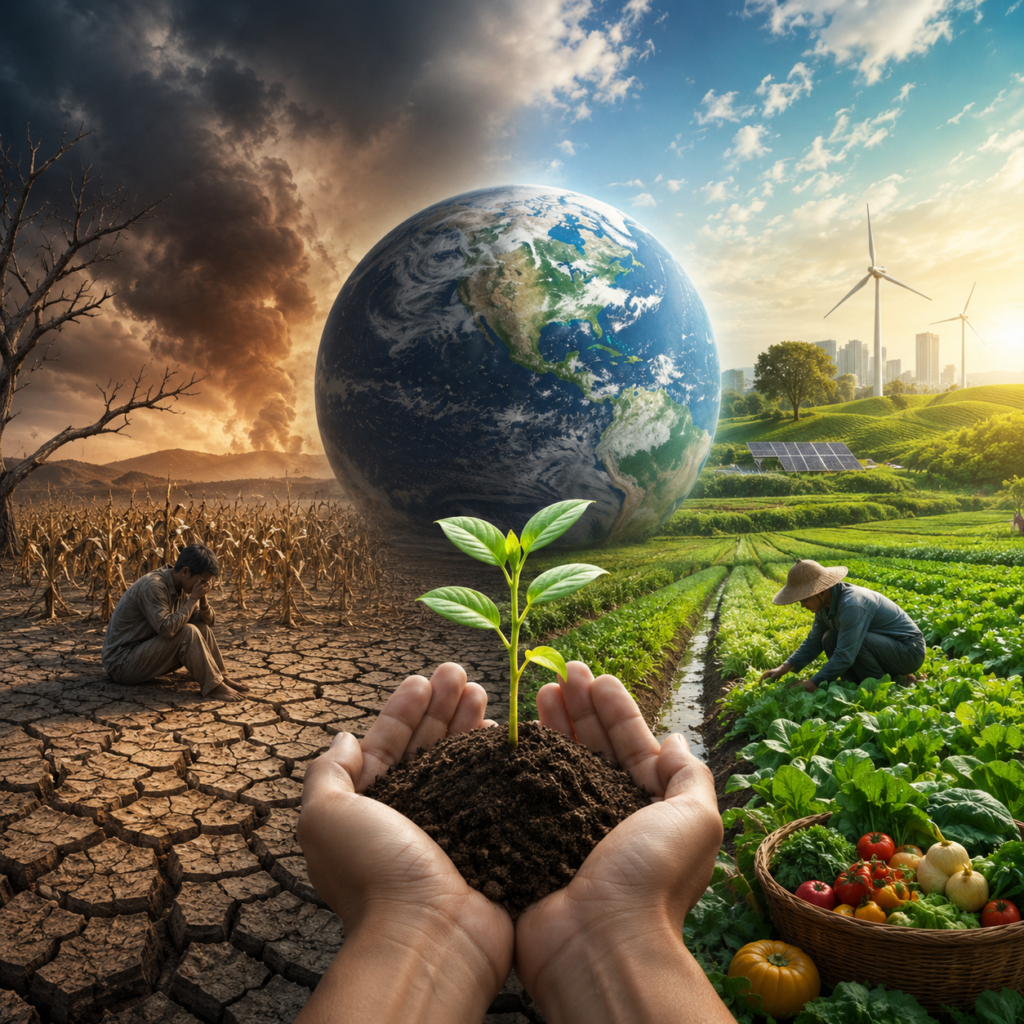
In 2026, the connection between environment and health is more evident than ever. Technological advancements and increased awareness are helping improve environmental conditions. Sustainable development, renewable energy, and eco-friendly practices are shaping a healthier future. Strengthening the role of clean environment in disease prevention will remain a top priority for global health.