


Introduction
The world in 2026 is facing interconnected challenges that affect human survival and quality of life. The Future Challenges in Health, Food, and Environment are becoming more complex due to climate change, population growth, and changing lifestyles. Addressing these issues is essential to ensure a sustainable and healthy future for generations to come.
Why These Challenges Matter
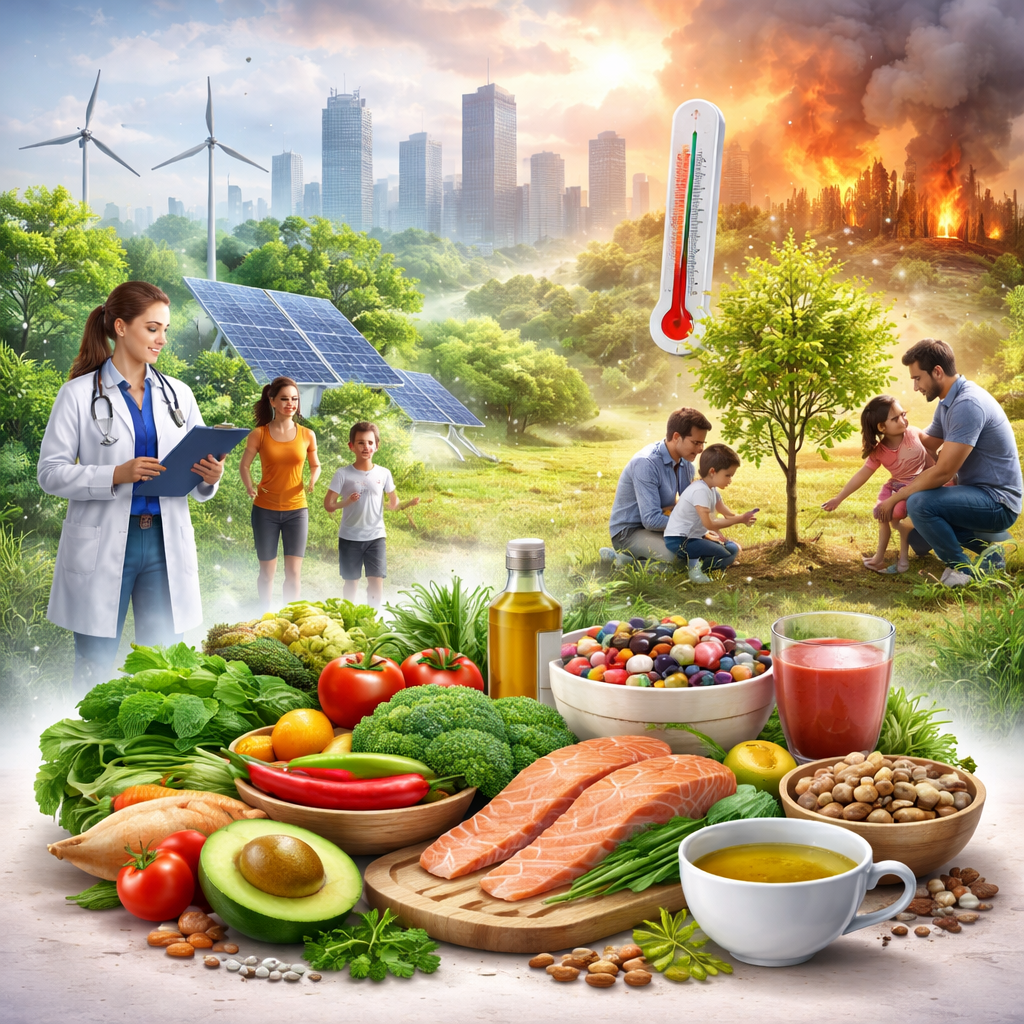
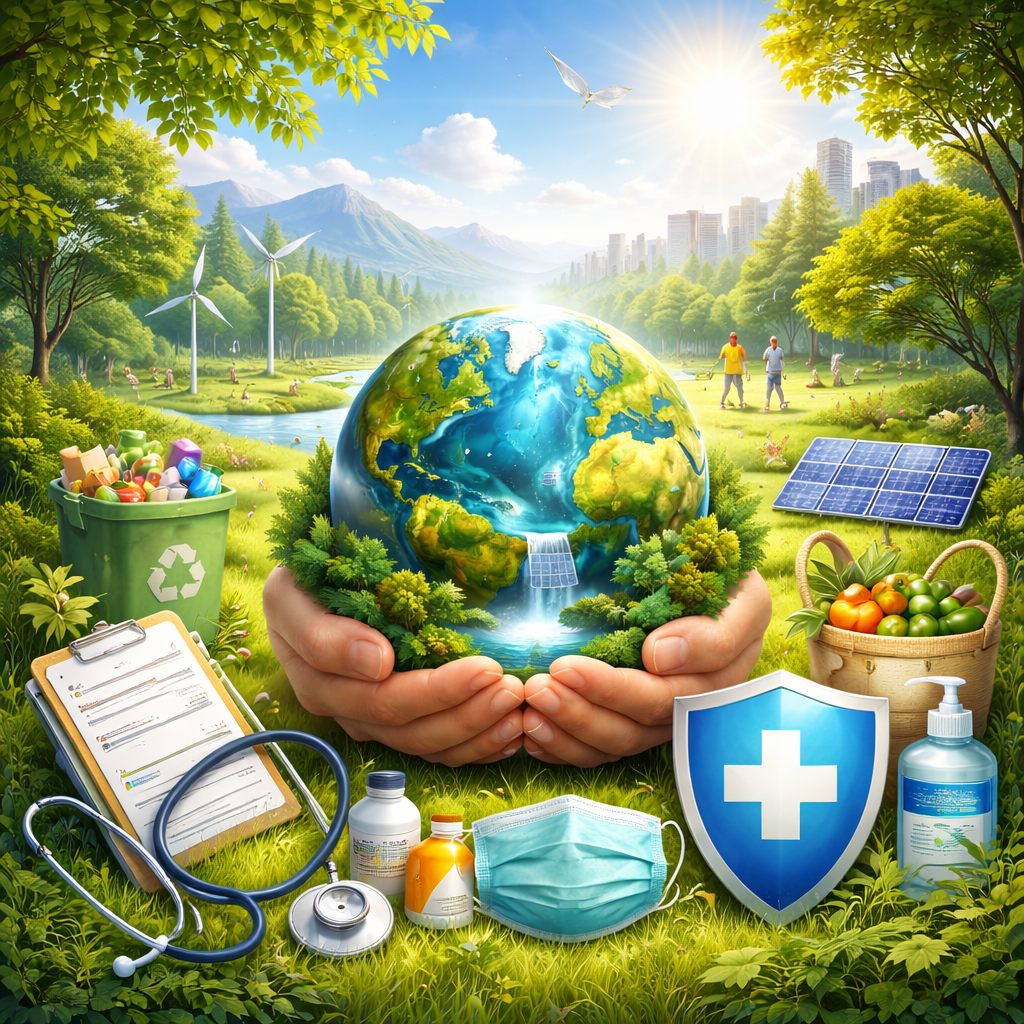
The link between health, food, and the environment is stronger than ever. Environmental degradation impacts food production, while unhealthy diets contribute to rising health problems. Understanding the Future Challenges in Health, Food, and Environment helps individuals and governments make better decisions. These challenges are not isolated they influence each other and require integrated solutions.
Environmental Challenges in 2026
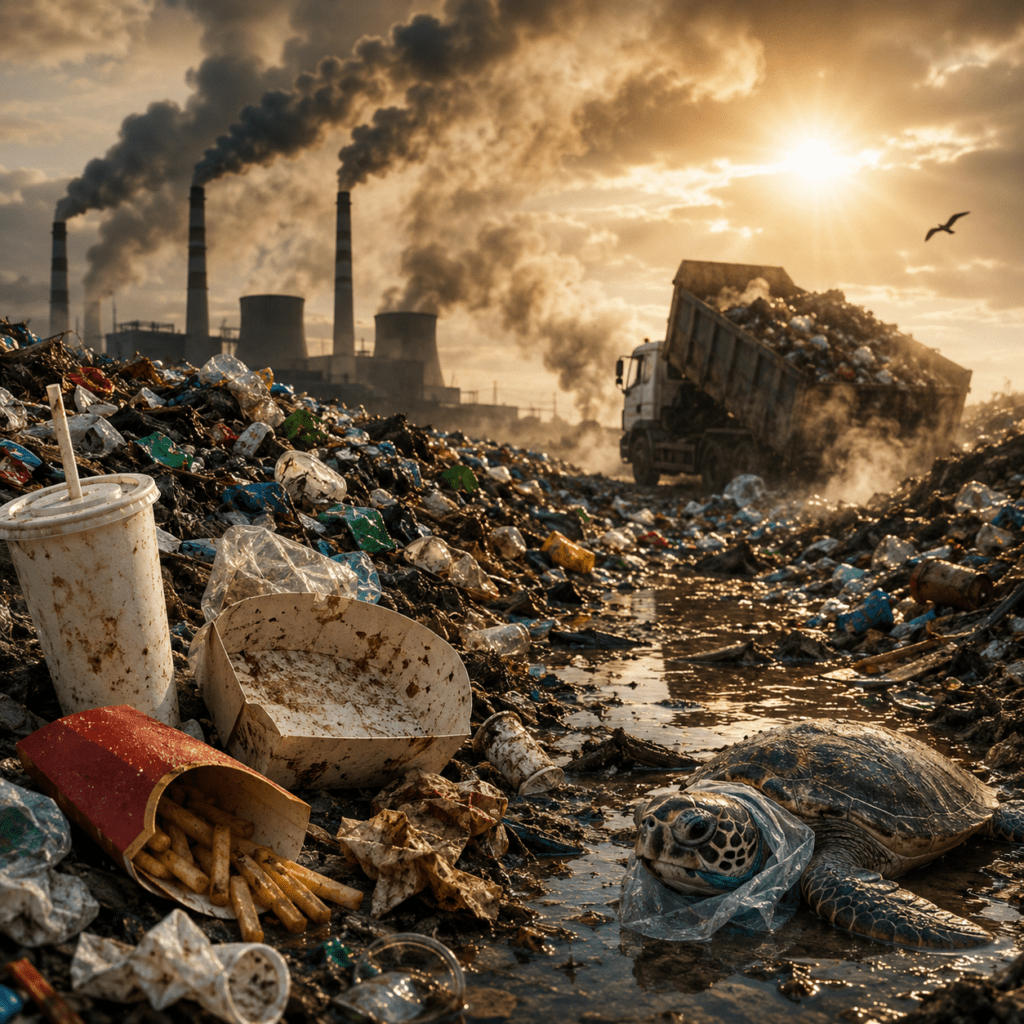
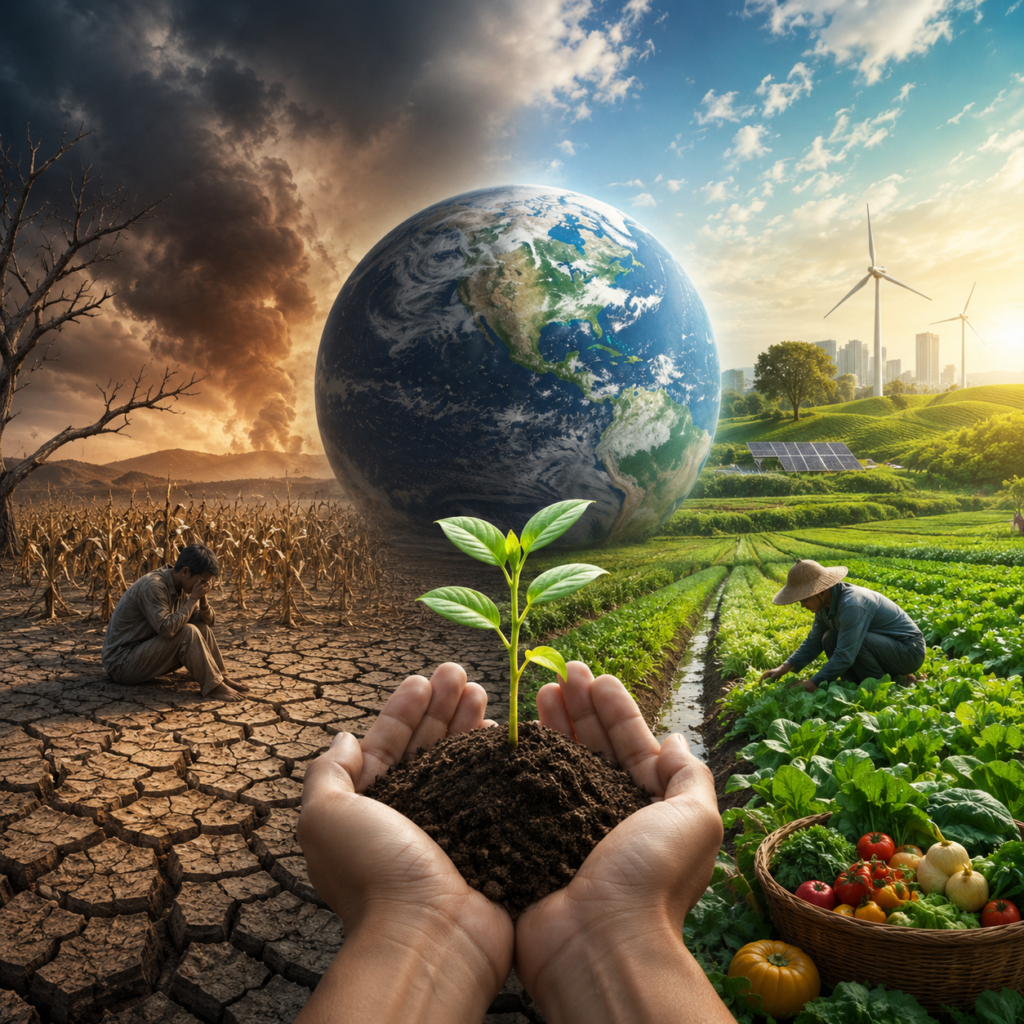
One of the biggest concerns is environmental damage. Climate change, pollution, and deforestation are affecting ecosystems worldwide.
Key Issues:
- Rising air and water pollution
- Global warming and extreme weather events
- Loss of biodiversity
- Water scarcity
Environmental problems directly impact agriculture and food availability, making the Future Challenges in Health, Food, and Environment more critical.
Food Security and Nutrition Challenges
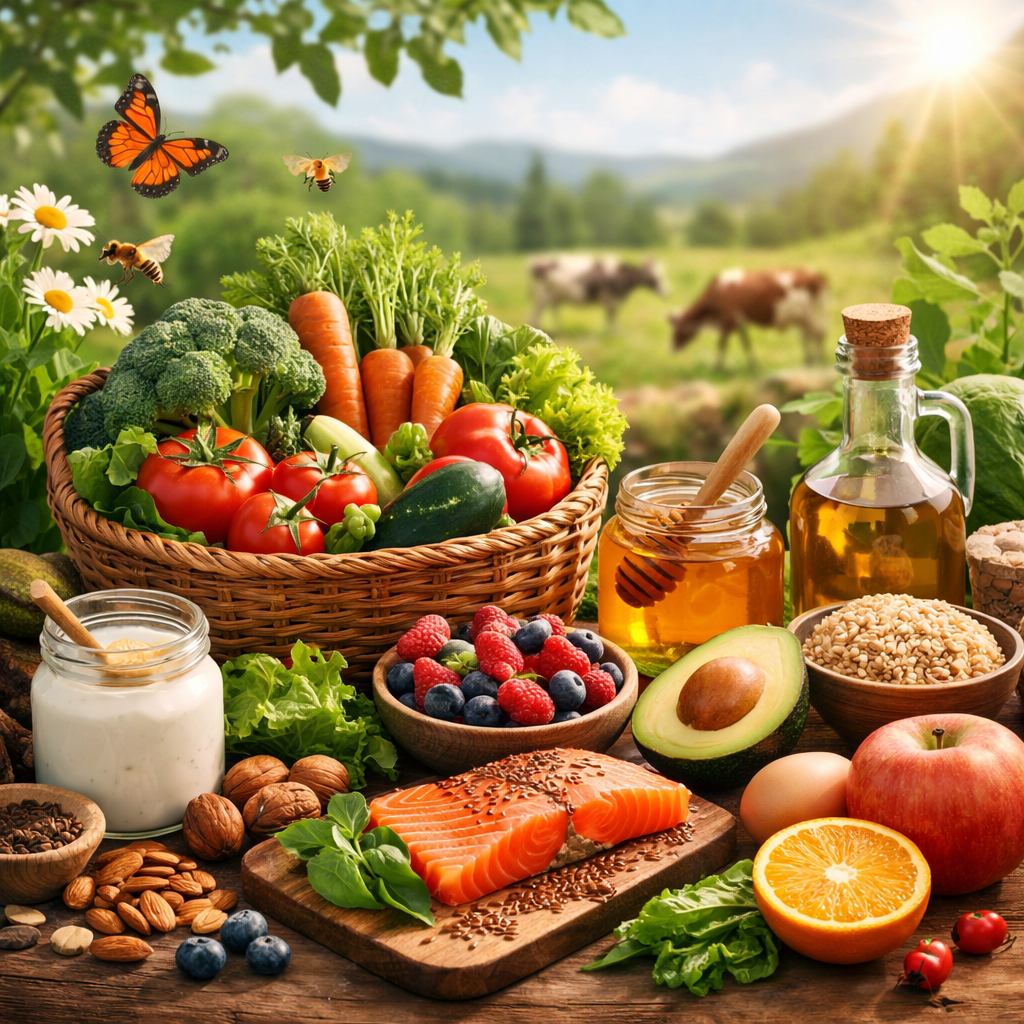
Food systems are under pressure due to population growth and climate change. Ensuring access to nutritious food is becoming increasingly difficult.
Major Concerns:
- Food shortages in vulnerable regions
- Increased reliance on processed foods
- Malnutrition and obesity
- Rising food prices
Unhealthy diets are leading to chronic diseases such as diabetes and heart conditions. Tackling these issues is a key part of managing the Future Challenges in Health, Food, and Environment.
Health Challenges in Modern Society
Health issues are evolving rapidly due to lifestyle changes and environmental factors.
Common Health Problems:
- Increase in lifestyle diseases
- Mental health disorders
- Weak immune systems
- Spread of infectious diseases
The healthcare system must adapt to these changes to effectively address the Future Challenges in Health, Food, and Environment.
Climate Change effects on Health and Food
Climate change plays a major role in shaping future risks. It affects crop production, water resources, and disease patterns.
Effects Include:
- Reduced agricultural productivity
- Spread of vector-borne diseases
- Heat-related illnesses
- Food supply disruptions
The connection between climate change and the Future Challenges in Health, Food, and Environment highlights the need for sustainable solutions.
Solutions and Preventive Measures
Addressing these challenges requires global cooperation and individual action.
Effective Strategies:
- Promote sustainable agriculture practices
- Reduce carbon emissions and pollution
- Encourage healthy eating habits
- Improve healthcare access
- Invest in renewable energy
- Raise public awareness about environmental protection
Governments, communities, and individuals all play a role in overcoming the Future Challenges in Health, Food, and Environment.
The Role of Technology in 2026
Technology is becoming a powerful tool in solving global challenges.
Innovations Include:
- Smart farming techniques
- Digital health monitoring
- Food production advancements
- Environmental monitoring systems
These innovations can help manage the Future Challenges in Health, Food, and Environment more effectively.