


Introduction
In today’s rapidly changing world, Public Health and Safety in 2026 have become critical global priorities. Governments, healthcare systems, and communities are facing unprecedented challenges, including emerging diseases, climate change, urbanization, and environmental pollution. These issues affect millions of people and demand urgent action to protect human life and ensure sustainable development.
Public health and safety are not just about hospitals or medical treatment. They involve prevention strategies, safe environments, access to clean water, proper sanitation, food safety, and emergency preparedness. As societies continue to grow and technology advances, the need for effective public health policies and safety measures becomes even more important.
A health issue in one region can quickly become a global concern. This makes Public Health and Safety in 2026 a shared responsibility that requires cooperation between governments, organizations, healthcare professionals, and individuals.
Understanding Public Health and Safety in 2026
Public Health and Safety in 2026 refer to the collective actions taken to prevent disease, protect communities, and promote healthy living conditions. Public health focuses on improving the overall well-being of populations, while safety ensures protection from environmental, occupational, and social risks. Modern public health systems are built on several important pillars:
- Disease prevention and control
- Environmental protection
- Health education and awareness
- Emergency preparedness
- Access to healthcare services
In 2026, these pillars are more important than ever due to the rise of global health challenges.
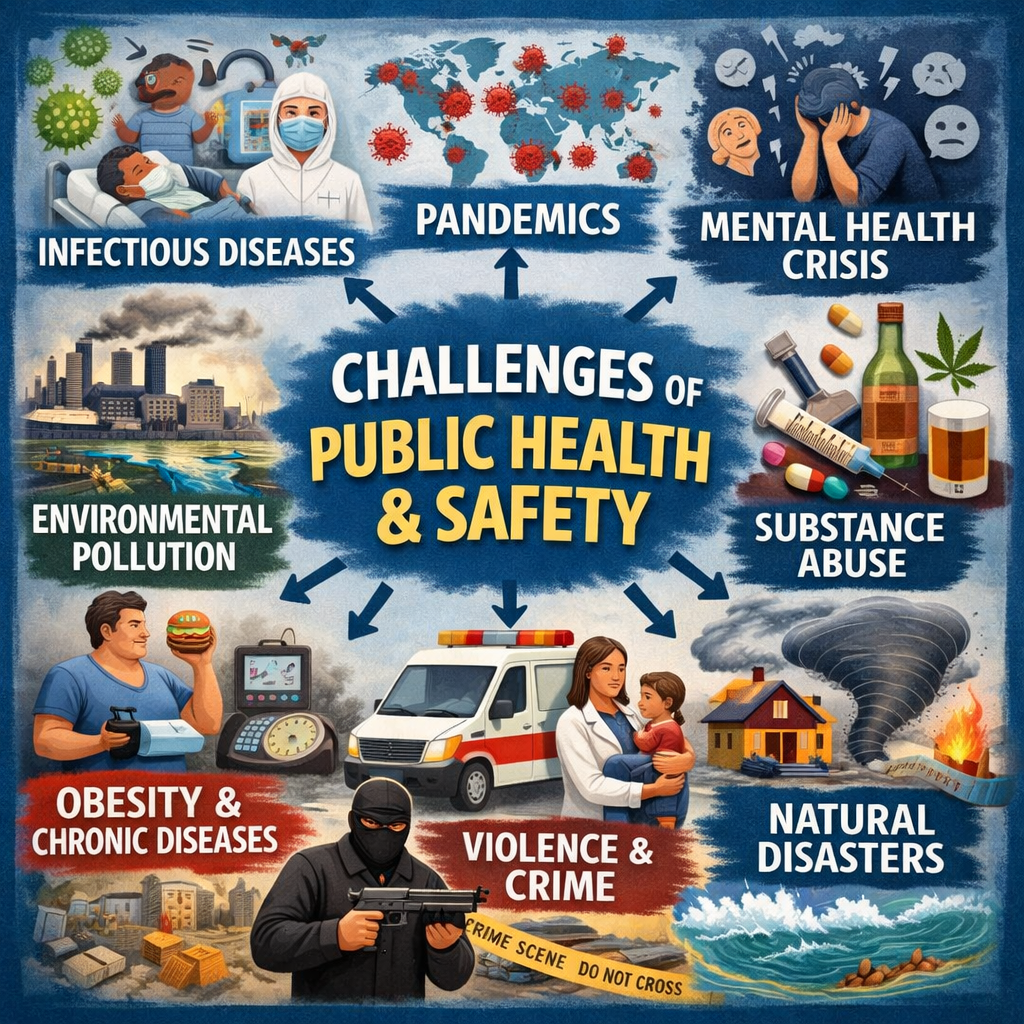
Major Challenges Affecting Public Health and Safety in 2026
1. Emerging Infectious Diseases
One of the biggest concerns for Public Health and Safety in 2026 is the rise of new infectious diseases. Global travel, climate change, and population growth increase the risk of disease outbreaks. Viruses and bacteria can spread rapidly across borders, making prevention and early detection essential. Health authorities around the world are focusing on improved disease surveillance systems, vaccination programs, and research initiatives to address these threats.
2. Climate Change and Environmental Health
Climate change has become a major factor influencing Public Health and Safety in 2026. Rising temperatures, extreme weather events, and environmental degradation affect human health in many ways. Some key impacts include:
- Heat-related illnesses
- Increased air pollution
- Water contamination
- Spread of vector-borne diseases
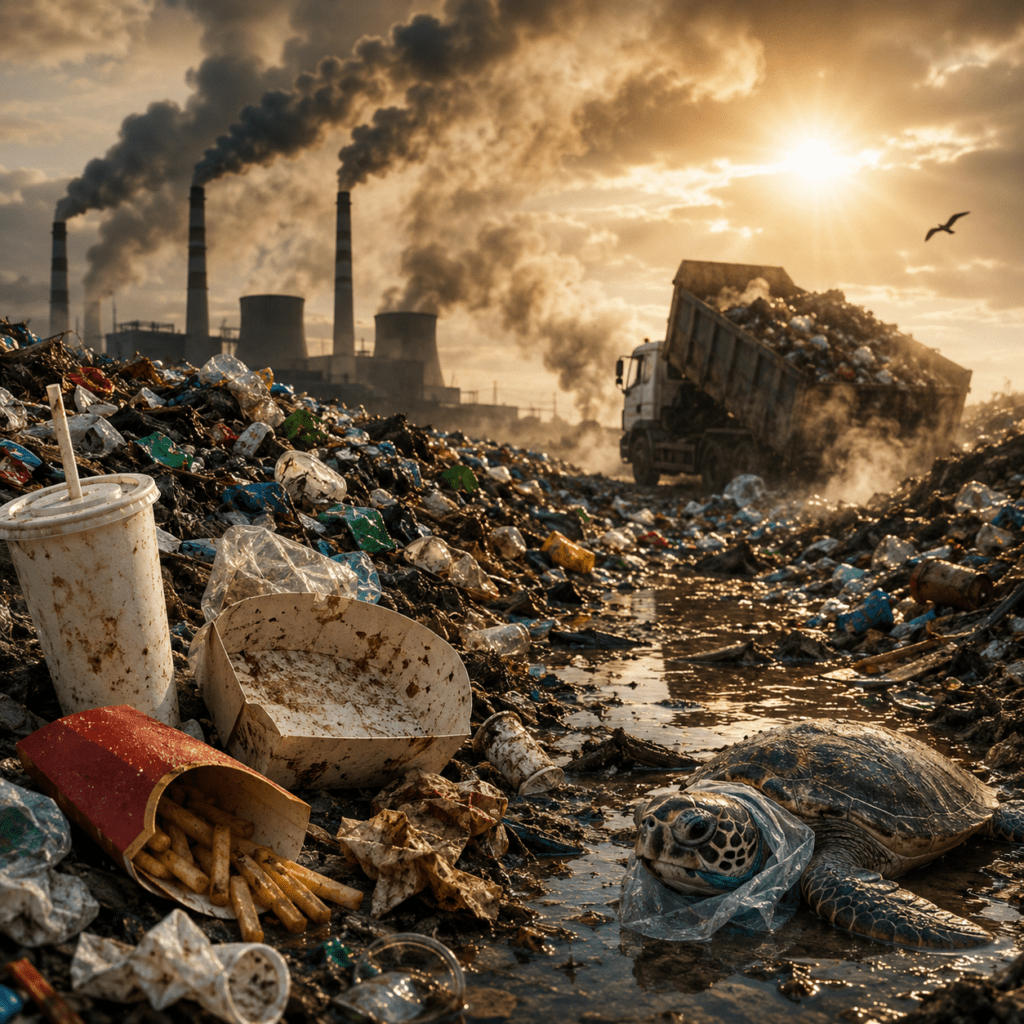
Protecting ecosystems and reducing environmental pollution are essential strategies for improving public health outcomes.
3. Urbanization and Population Growth
Rapid urbanization is another challenge impacting Public Health and Safety in 2026. As more people move to cities, infrastructure and healthcare systems often struggle to keep up with demand. Overcrowded cities can lead to:
- Poor sanitation
- Increased pollution
- Limited healthcare access
- Higher risk of disease outbreaks
Urban planning that prioritizes clean environments, public transportation, and green spaces can help address these challenges.
4. Mental Health Crisis
Mental health has become a significant part of Public Health and Safety in 2026. Stress, social isolation, economic uncertainty, and digital overload contribute to mental health problems worldwide. Governments and health organizations are increasingly recognizing the importance of mental health support services, awareness campaigns, and accessible treatment options.
The Role of Governments in Public Health and Safety in 2026
Governments play a vital role in protecting Public Health and Safety in 2026. Through policies, regulations, and healthcare investments, authorities can improve the health of entire populations. Key government responsibilities include:
- Strengthening healthcare systems
- Monitoring disease outbreaks
- Regulating food and water safety
- Implementing vaccination programs
- Promoting health education
Effective governance ensures that public health systems can respond quickly to emergencies and long-term challenges.
Technology and Innovation in Public Health
Technology is transforming Public Health and Safety in 2026. Digital tools, artificial intelligence, and advanced medical technologies are improving disease detection, treatment, and prevention. Important technological advancements include:
- Telemedicine services
- Health monitoring apps
- Artificial intelligence in disease prediction
- Digital health records
These innovations make healthcare more accessible and help health professionals respond quickly to emerging threats.
Community Participation in Public Health and Safety in 2026
Public health is not only the responsibility of governments and healthcare providers. Communities play a crucial role in maintaining Public Health and Safety in 2026. Individuals can contribute by:
- Practicing good hygiene
- Following vaccination schedules
- Supporting environmental conservation
- Maintaining healthy lifestyles
When communities work together, they can significantly reduce health risks and improve overall well-being.
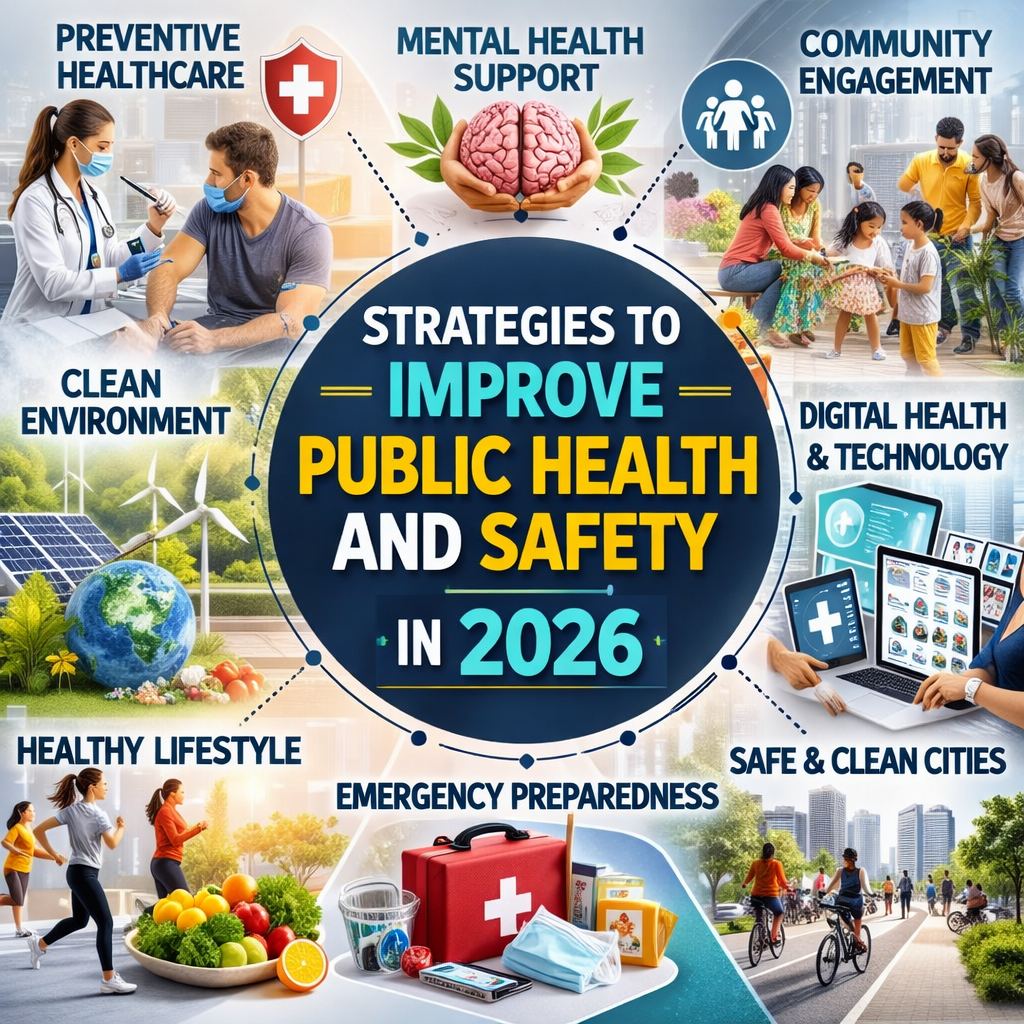
Strategies to Improve Public Health and Safety in 2026
Improving Public Health and Safety in 2026 requires coordinated efforts across multiple sectors. Some effective strategies include:
1. Strengthening Healthcare Infrastructure
Hospitals, clinics, and laboratories must be well-equipped to handle health emergencies and provide quality care.
2. Promoting Health Education
Education campaigns can help people understand the importance of hygiene, nutrition, and disease prevention.
3. Environmental Protection
Reducing pollution and protecting natural resources are essential for long-term health sustainability.
4. Global Cooperation
International collaboration is necessary to address global health threats and share medical knowledge.
Short Case Study: Improving Public Health and Safety in Urban Communities (2026)
Background
In 2026, many rapidly growing cities are facing serious public health and safety challenges due to pollution, overcrowding, and limited healthcare access. One example comes from a densely populated urban community that struggled with rising respiratory illnesses caused by poor air quality and traffic congestion.
Problem
Residents in the area reported increasing cases of asthma, allergies, and other respiratory diseases. Hospitals were overwhelmed, and the lack of green spaces and high pollution levels worsened the situation. Public health authorities identified environmental pollution and poor urban planning as major contributors to the problem.
Solution Implemented
Local government and health organizations launched a Public Health and Safety Initiative in 2026. The program included:
- Creating new urban green spaces and planting thousands of trees
- Promoting public transportation and reducing vehicle emissions
- Conducting health awareness campaigns on pollution prevention
- Introducing free health check-up camps for residents
Results
Within one year, air quality improved and hospital visits related to respiratory illnesses decreased. The initiative also increased community awareness about environmental protection and healthy lifestyles.
This case study shows that strong public health policies, environmental protection, and community participation can significantly improve public health and safety in 2026. Collaborative efforts between governments and citizens are essential for building healthier and safer communities.
The Future of Public Health and Safety
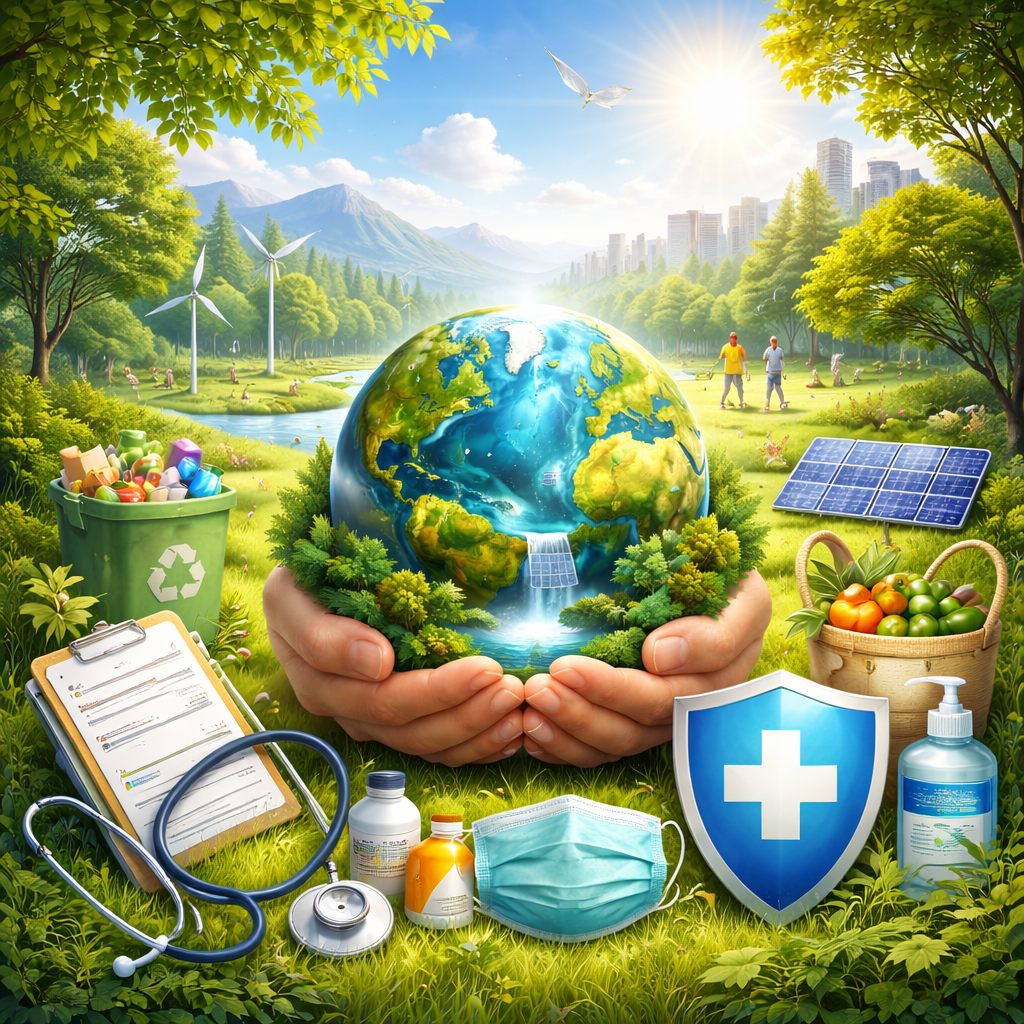
The future of Public Health and Safety in 2026 depends on innovation, collaboration, and proactive policies. Governments and organizations must invest in research, healthcare infrastructure, and sustainable development to ensure a healthier world.
Public awareness is also essential. When people understand the importance of public health measures, they are more likely to adopt healthy behaviors and support initiatives that protect communities. By focusing on prevention, preparedness, and cooperation, societies can overcome health challenges and build safer environments for future generations.