Introduction
The environmental side effects of the Iran–Israel conflict in 2026 are becoming a growing global concern. Modern warfare does not only destroy cities and infrastructure; it also causes severe environmental damage that can last for decades. The conflict between Iran and Israel has led to attacks on oil facilities, industrial sites, and energy infrastructure, creating pollution, ecological destruction, and public health risks.
In recent months, airstrikes targeting oil depots and fuel infrastructure have triggered massive fires and toxic smoke clouds across parts of the Middle East. Environmental scientists warn that the environmental side effects of the Iran–Israel conflict in 2026 could include long-term contamination of air, water, and soil, threatening both ecosystems and human health.
Experts say war-related environmental damage can persist long after the conflict ends, making environmental protection during wartime an urgent global issue.
How Warfare Damages the Environment
War has always had serious environmental consequences. Bombings, missile strikes, and military operations release pollutants and destroy ecosystems. The environmental side effects of the Iran–Israel conflict in 2026 show how modern warfare can trigger environmental crises through:
- Oil fires and fuel explosions
- Air pollution and toxic smoke
- Water contamination
- Soil degradation
- Habitat destruction
When energy infrastructure such as oil refineries or fuel depots are targeted, the environmental impact becomes even more severe.
Oil Fires and Toxic Air Pollution
- Burning Oil Depots
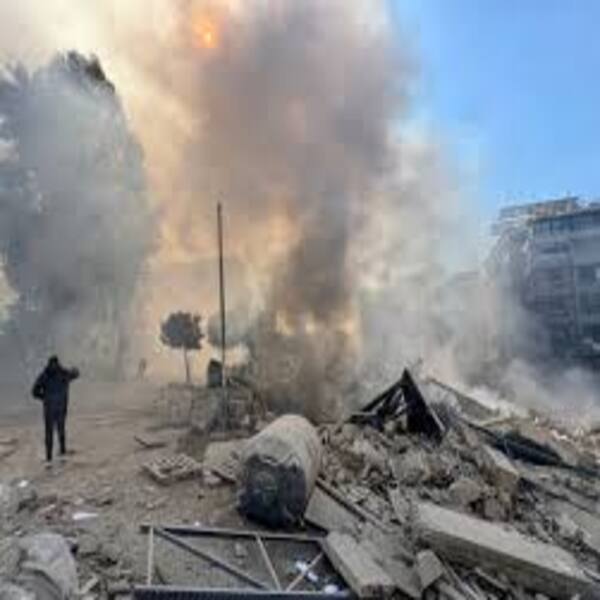
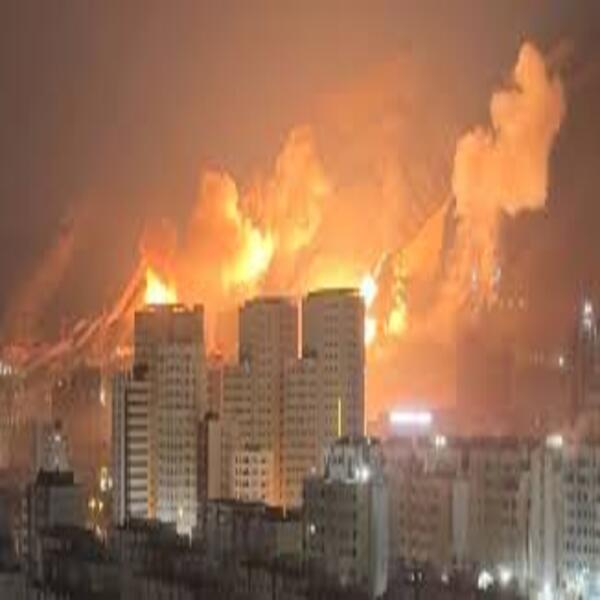
One of the most visible environmental side effects of the Iran–Israel conflict in 2026 is the burning of oil depots and fuel storage facilities. Airstrikes on fuel infrastructure near Tehran ignited massive fires that released huge clouds of smoke and toxic chemicals into the atmosphere. These fires release harmful substances such as:
- Benzene
- Sulfur dioxide
- Nitrogen oxides
- Fine particulate matter
Environmental experts say these pollutants can travel hundreds of kilometers, affecting air quality far beyond the war zone.
- 2.Dangerous “Black Rain”
The smoke produced by burning oil facilities can mix with moisture in the atmosphere and fall as contaminated rainfall, often referred to as “black rain.”
Reports from Tehran described rainfall carrying soot and toxic chemicals, creating health hazards and damaging vegetation. (UN)
This phenomenon demonstrates one of the most dangerous environmental side effects of the Iran–Israel conflict in 2026 because polluted rain can contaminate soil, crops, and water supplies.
Water Pollution and Marine Ecosystem Damage
- Fuel Leakage and Water Contamination
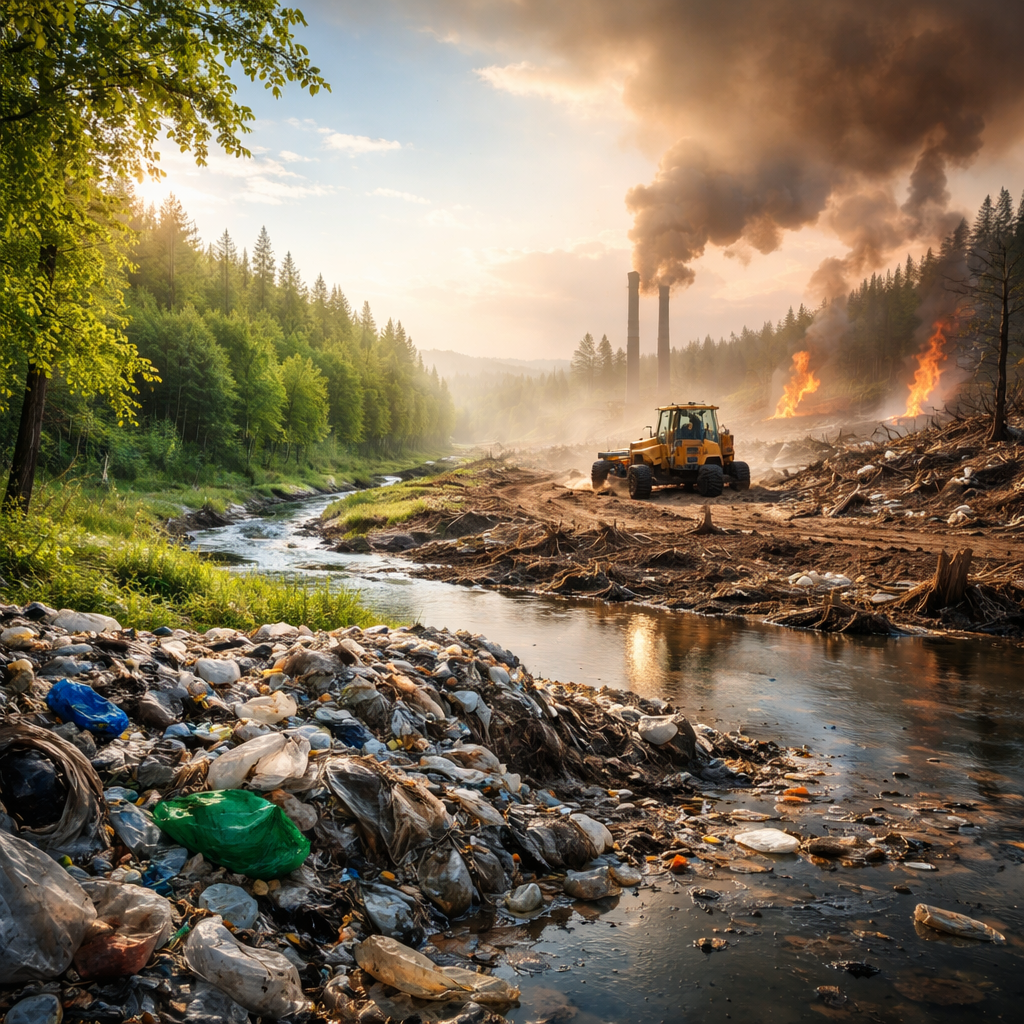
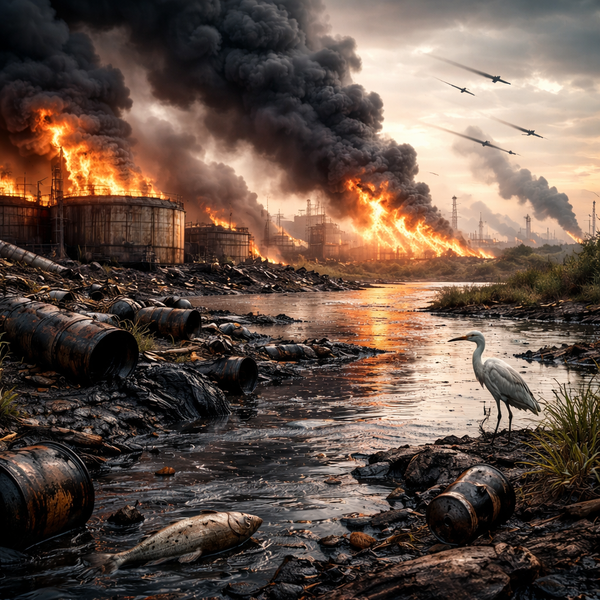
Bombings that destroy fuel storage tanks often release oil and chemicals into nearby rivers and groundwater systems. Experts warn that the environmental side effects of the Iran–Israel conflict in 2026 may include widespread water contamination.
Once oil spills into water systems, it can:
- Poison aquatic life
- Contaminate drinking water
- Destroy fisheries
- Damage wetlands and rivers
Polluted runoff from damaged oil infrastructure can seep into groundwater supplies, affecting communities that rely on wells for drinking water.
- Threats to Marine Life
The Middle East contains fragile marine ecosystems in areas such as the Persian Gulf. Oil spills and industrial pollution from wartime activities threaten coral reefs, fish populations, and marine biodiversity. If pollution spreads into coastal waters, the environmental damage could persist for decades.
Soil Contamination and Agricultural Damage
Agriculture can also suffer from the environmental side effects of the Iran–Israel conflict in 2026. When toxic smoke and contaminated rain fall on farmland, they can introduce heavy metals and hazardous chemicals into the soil. This contamination may reduce crop productivity and threaten food safety.
Scientists warn that exposure to pollutants from burning oil facilities can leave long-lasting toxic residues in soil. These residues can affect agricultural production for years. Farmers living near conflict zones often face severe economic losses due to damaged farmland and contaminated crops.
Climate Impact and Greenhouse Gas Emissions
- Massive Carbon Emissions
Large oil fires release enormous amounts of carbon dioxide and greenhouse gases into the atmosphere. These emissions contribute to global warming and worsen the climate crisis.
For example, attacks on fuel storage sites have already released tens of thousands of tons of greenhouse gases into the atmosphere during the conflict. (International Report of Iran)
This highlights how the environmental side effects of the Iran–Israel conflict in 2026 extend beyond the Middle East and may influence global climate systems.
- Regional Climate Stress
The Middle East is already one of the most climate-vulnerable regions in the world. Increased pollution, oil fires, and infrastructure destruction may worsen climate stress in the region. War-related environmental damage could intensify:
- Heatwaves
- Water shortages
- Desertification
- Air pollution crises
Impact on Wildlife and Biodiversity
Wildlife is often an overlooked victim of war. The environmental side effects of the Iran–Israel conflict in 2026 include destruction of habitats, noise pollution, and toxic contamination affecting animal populations. Animals living near conflict zones face multiple threats:
- Habitat destruction from bombings
- Poisoned water sources
- Reduced food supply
- Increased stress and migration
Birds, marine species, and desert wildlife may be forced to abandon their natural habitats due to pollution and explosions. Loss of biodiversity can disrupt ecosystems and create long-term ecological imbalance.
Human Health Risks from Environmental Pollution
Environmental damage from warfare also threatens public health. Toxic smoke from oil fires can cause serious health problems, including:
- Respiratory diseases
- Eye and skin irritation
- Cardiovascular issues
- Increased cancer risk
Health officials have warned that exposure to pollutants from burning fuel facilities can cause breathing problems, headaches, and severe irritation of the eyes and skin. Children, elderly people, and individuals with respiratory diseases are particularly vulnerable.
Long-Term Environmental Consequences
The environmental side effects of the Iran–Israel conflict in 2026 may continue for decades even after the fighting stops. Long-term consequences may include:
- Persistent air pollution
- Contaminated groundwater
- Reduced biodiversity
- Soil toxicity
- Climate impacts
History shows that environmental damage caused by war often takes decades to recover. Oil fires, chemical contamination, and infrastructure destruction can leave lasting scars on ecosystems.
The Need for Environmental Protection During War
International organizations are increasingly calling for stronger protections for the environment during armed conflicts. Environmental experts argue that governments and military forces must avoid targeting critical infrastructure such as:
- Oil refineries
- Chemical plants
- Water treatment facilities
- Energy plants
Protecting these facilities can reduce the environmental side effects of the Iran–Israel conflict in 2026 and prevent long-term ecological disasters. International environmental monitoring and post-war restoration programs will be essential to repair damaged ecosystems.