
Introduction
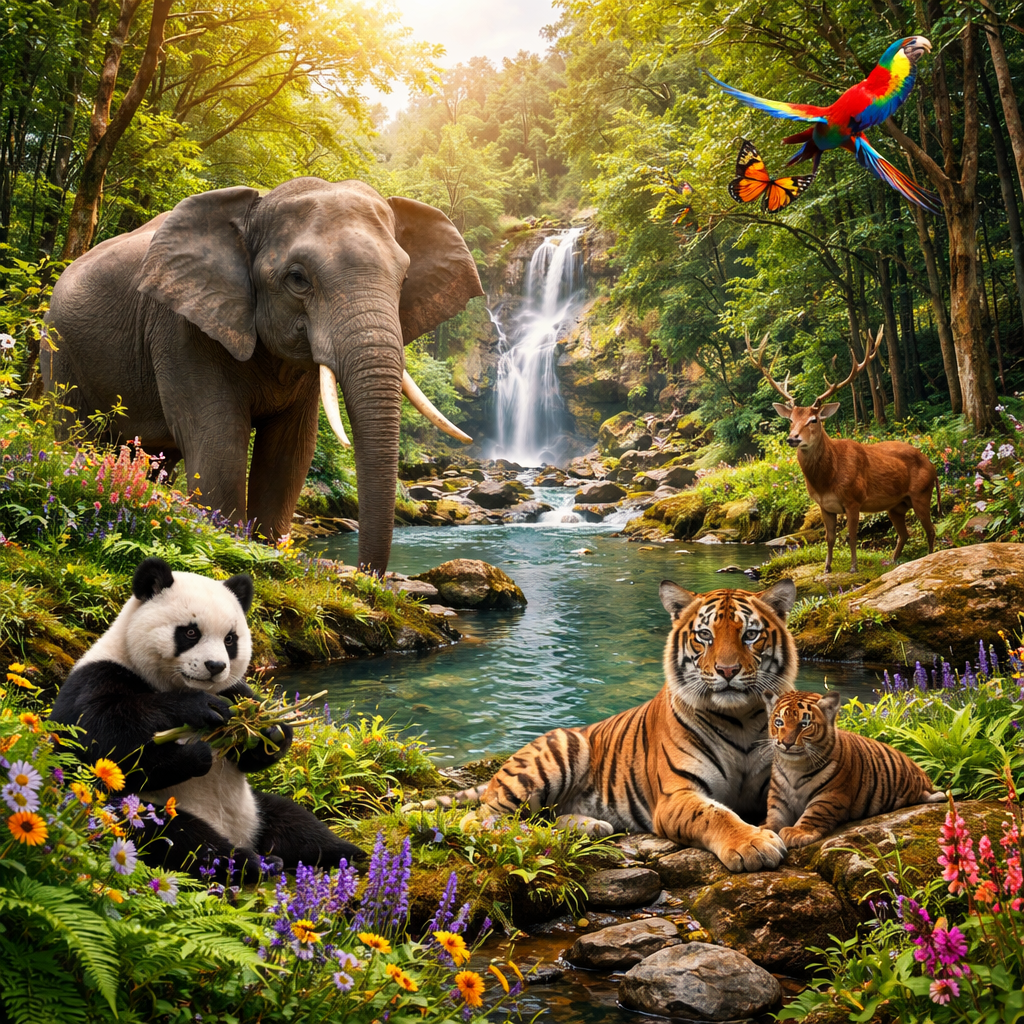
Biodiversity conservation is one of the most important environmental priorities of the modern world. Biodiversity refers to the variety of life on Earth, including plants, animals, microorganisms, and the ecosystems they form. The concept of biodiversity conservation focuses on protecting these living organisms and maintaining ecological balance for the well-being of the planet.
Today, the Earth is facing serious environmental challenges such as climate change, deforestation, pollution, and habitat destruction. These threats are causing a rapid decline in biodiversity across the world. Without proper biodiversity conservation, ecosystems can collapse, affecting food supply, water quality, and human health.
Protecting biodiversity is not just about saving animals and plants; it is about ensuring a sustainable future for humanity. Through effective biodiversity conservation, societies can maintain ecological balance, support economic development, and protect natural resources for future generations.
Understanding Biodiversity and Its Importance
Biodiversity includes all living organisms and the natural systems they form. It is usually categorized into three main levels.
1. Genetic Diversity
Genetic diversity refers to the variation of genes within a species. This diversity allows species to adapt to environmental changes and resist diseases. Biodiversity conservation helps maintain genetic diversity, which is essential for the survival of plants, animals, and crops.
2. Species Diversity
Species diversity represents the number and variety of species within a particular ecosystem. Forests, oceans, and wetlands contain thousands of species that interact with each other. Effective biodiversity conservation ensures that these species continue to exist and function in harmony.
3. Ecosystem Diversity
Ecosystem diversity refers to the variety of ecosystems such as forests, deserts, oceans, rivers, and grasslands. Each ecosystem plays a unique role in maintaining environmental stability. Through biodiversity conservation, these ecosystems are preserved and protected from destruction.
Why Biodiversity Conservation Is Essential
The importance of biodiversity conservation extends far beyond environmental protection. It supports human survival, economic growth, and global sustainability.
1. Maintaining Ecological Balance
Every species in an ecosystem plays a specific role. Predators control prey populations, plants produce oxygen, and microorganisms decompose organic matter. Without biodiversity conservation, this delicate balance can be disrupted, leading to ecosystem collapse.
2. Supporting Food Security
Agriculture depends heavily on biodiversity. Many crops rely on pollinators like bees and butterflies. Genetic diversity in crops helps farmers develop disease-resistant varieties. Biodiversity conservation ensures that agricultural systems remain productive and resilient.
3. Protecting Natural Resources
Clean water, fertile soil, and fresh air are products of healthy ecosystems. Forests purify the air, wetlands filter water, and soil organisms maintain fertility. Through biodiversity conservation, these natural resources are preserved for human use.
4. Medical and Scientific Benefits
Many modern medicines come from plants and animals. Scientists continue to discover new medicinal compounds in nature. By practicing biodiversity conservation, we protect potential cures and scientific discoveries that could benefit humanity.
Major Threats to Biodiversity
Despite its importance, biodiversity is declining at an alarming rate due to human activities.
1. Deforestation
Forests are home to more than half of the world’s species. Large-scale deforestation for agriculture, logging, and urban development destroys habitats and threatens wildlife. Effective biodiversity conservation strategies aim to reduce deforestation and restore forest ecosystems.
2. Climate Change
Rising global temperatures, changing rainfall patterns, and extreme weather events affect ecosystems worldwide. Many species struggle to adapt to these rapid changes. Biodiversity conservation helps protect vulnerable species and ecosystems from climate impacts.
3. Pollution
Air, water, and soil pollution harm living organisms and disrupt ecological systems. Plastic waste, chemical pesticides, and industrial emissions are major threats to biodiversity. Strong biodiversity conservation policies encourage pollution control and sustainable practices.
4. Over-exploitation of Natural Resources
Overfishing, illegal wildlife trade, and excessive hunting reduce wildlife populations. Unsustainable resource extraction threatens species with extinction. Biodiversity conservation promotes responsible use of natural resources.
Effective Strategies for Biodiversity Conservation
To protect life on Earth, governments, organizations, and communities must implement strong biodiversity conservation strategies.
1. Protected Areas and National Parks
Establishing protected areas is one of the most effective methods of biodiversity conservation. National parks, wildlife reserves, and marine sanctuaries provide safe habitats for endangered species and preserve natural ecosystems.
2. Sustainable Agriculture
Farmers can contribute to biodiversity conservation by using eco-friendly farming techniques. Crop rotation, organic farming, and reduced pesticide use help protect soil organisms and pollinators.
3. Habitat Restoration
Restoring degraded ecosystems is a key component of biodiversity conservation. Reforestation, wetland restoration, and coral reef protection help rebuild habitats and support wildlife populations.
4. Community Participation
Local communities play an important role in biodiversity conservation. When communities are involved in environmental protection, conservation efforts become more effective and sustainable.
Global Efforts to Promote Biodiversity Conservation
Many international organizations and governments are working together to promote biodiversity conservation.
1. International Agreements
Global agreements such as biodiversity treaties encourage countries to protect natural habitats and endangered species. These agreements strengthen global biodiversity conservation efforts.
2. Conservation Organizations
Environmental organizations conduct research, protect wildlife, and raise awareness about biodiversity issues. Their work supports global biodiversity conservation initiatives.
3. Education and Awareness
Public awareness is essential for successful biodiversity conservation. Educational programs help people understand the value of nature and encourage responsible environmental behavior.
Role of Individuals in Biodiversity Conservation
Everyone can contribute to biodiversity conservation through simple actions in daily life.
- Reduce Waste
Reducing plastic use and recycling helps prevent pollution that harms wildlife.
- Plant Trees
Tree planting supports ecosystems and provides habitats for many species.
- Support Sustainable Products
Choosing eco-friendly and sustainable products promotes responsible resource use and supports biodiversity conservation.
- Protect Wildlife
Avoid purchasing products made from endangered animals and support wildlife protection programs.
Small individual actions can collectively make a significant impact on biodiversity conservation and environmental sustainability.
The Future of Biodiversity Conservation
The future of our planet depends on strong biodiversity conservation efforts. Governments must enforce environmental laws, businesses must adopt sustainable practices, and individuals must make eco-friendly choices.
Technological advancements, scientific research, and global cooperation are helping improve biodiversity conservation strategies. However, immediate action is necessary to prevent further biodiversity loss. By prioritizing biodiversity conservation, humanity can protect ecosystems, preserve wildlife, and ensure a healthy planet for future generations.