



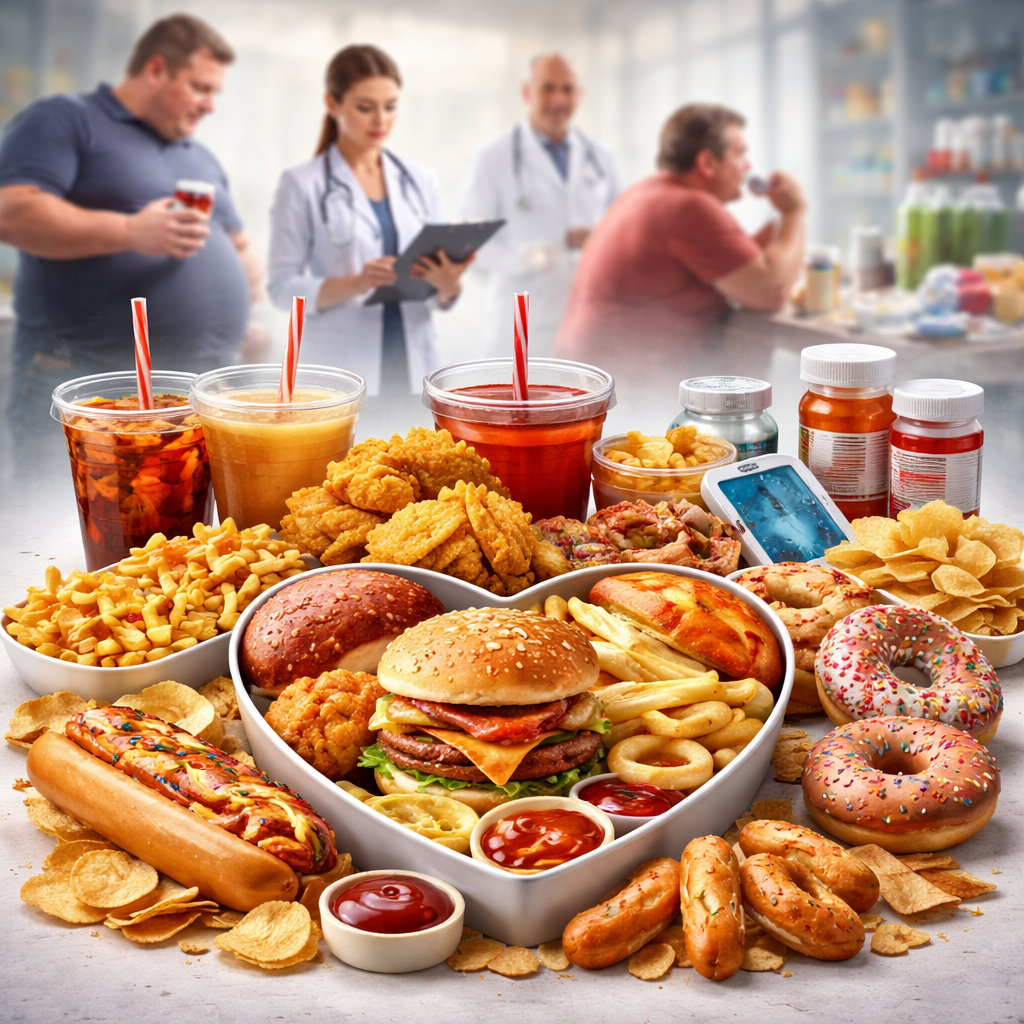
Introduction
The rapid growth of fast food consumption has become a global concern. In 2026, the impact of fast food culture on public health is more significant than ever, affecting millions of people worldwide. Busy lifestyles, urbanization, and convenience-driven choices have made fast food a daily habit for many individuals.
While fast food offers quick and affordable meals, its long-term effects on health are alarming. Understanding these impacts is essential to promote healthier lifestyles and prevent chronic diseases.
What Is Fast Food Culture?
Fast food culture refers to the increasing reliance on ready-to-eat, processed, and convenient meals. Popular items such as burgers, fries, fried chicken, sugary drinks, and packaged snacks are widely consumed. The impact of fast food culture on public health is largely driven by high-calorie, low-nutrient food choices that replace traditional, balanced diets.
Why Fast Food Is So Popular
Several factors contribute to the rise of fast food culture:
1. Convenience
Fast food is speedy as well as easily reachable, production it perfect for laboring schedules.
2. Affordability
Many fast food options are cheaper than healthier alternatives.
3. Taste and Marketing
High levels of salt, sugar, and fat make fast food highly appealing. Aggressive marketing, especially targeting young people, increases consumption.
4. Urban Lifestyle
In modern cities, people often prefer quick meals over home-cooked food. These factors significantly increase the impact of fast food culture on public health.
Health Risks of Fast Food Consumption
1. Obesity
Fast food is high in calories and unhealthy fats, leading to weight gain and obesity.
2. Heart Disease
Excessive intake of saturated fats and sodium increases the risk of heart disease and high blood pressure.
3. Diabetes
Sugary drinks and processed foods contribute to insulin resistance and type 2 diabetes.
4. Digestive Issues
Low fiber content in fast food can cause poor digestion and gut health problems.
5. Mental Health Effects
Studies suggest that unhealthy diets may contribute to stress, anxiety, and depression.
These health risks clearly highlight the negative impact of fast food culture on public health.
Impact on Children and Teenagers
Children and teenagers are among the most affected by fast food culture. Exposure to advertisements and easy access to junk food increase unhealthy eating habits.
Key Concerns:
- Rising childhood obesity
- Poor academic performance due to low nutrition
- Increased risk of chronic diseases at an early age
The growing influence of fast food on young populations worsens the impact of fast food culture on public health.
Economic and Social Impact
Fast food culture not only affects health but also has economic consequences.
- Increased healthcare costs due to lifestyle diseases
- Reduced productivity caused by poor health
- Growing burden on healthcare systems
Addressing the impact of fast food culture on public health is essential for both economic and social well-being.
Solutions to Reduce Fast Food Consumption
Reducing fast food intake requires both individual and collective efforts.
1. Promote Healthy Eating
Encourage consumption of fruits, vegetables, and home-cooked meals.
2. Public Awareness Campaigns
Educate people about the risks of unhealthy diets.
3. Government Policies
Implement regulations on food labeling, advertising, and nutrition standards.
4. School Programs
Introduce nutrition education in schools to develop healthy habits early.
5. Lifestyle Changes
Adopt balanced diets, regular exercise, and mindful eating practices. These strategies can help reduce the impact of fast food culture on public health.
The Role of Individuals
Individuals play a key role in improving public health. Making small changes in daily eating habits can lead to significant improvements.
Simple Tips:
- Limit fast food consumption
- Choose healthier alternatives
- Cook meals at home
- Stay physically active
By making informed choices, people can reduce the negative impact of fast food culture on public health.