Introduction
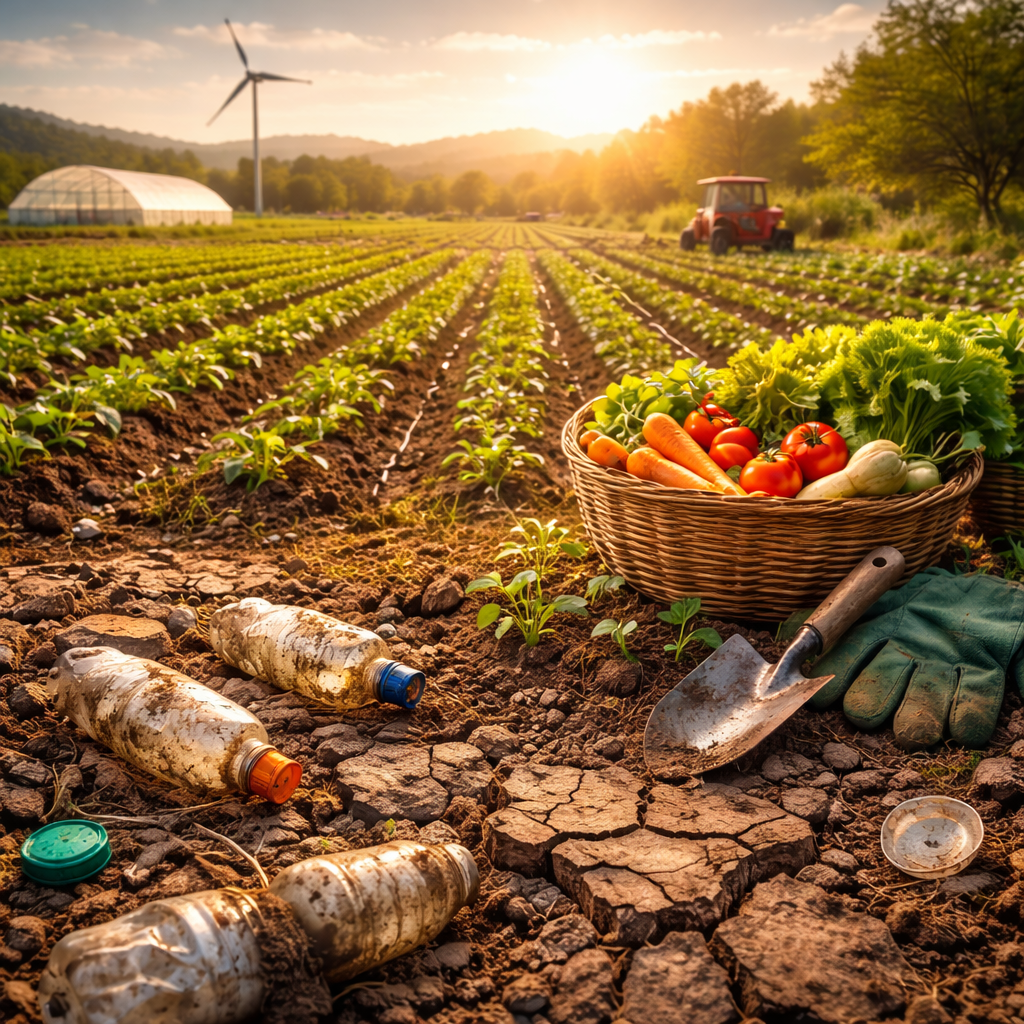
Soil pollution and sustainable agriculture have become central concerns in 2026 as global food demand rises and environmental pressures intensify. Healthy soil is the foundation of farming, yet contamination from chemicals, waste, and industrial activities is threatening agricultural productivity. Addressing soil pollution and sustainable agriculture together is essential to ensure long-term food security and environmental protection.
Understanding Soil Pollution and Sustainable Agriculture
Soil pollution and sustainable agriculture are interconnected challenges. Soil pollution occurs when harmful substances such as pesticides, heavy metals, and industrial waste contaminate the soil. Sustainable agriculture focuses on farming methods that protect the environment while maintaining productivity. Without solving soil pollution and sustainable agriculture issues simultaneously, farming systems cannot remain viable.
Causes of Soil Pollution Affecting Sustainable Agriculture
Several human activities contribute to soil pollution and sustainable agriculture challenges:
- Excessive use of chemical fertilizers
- Overuse of pesticides and herbicides
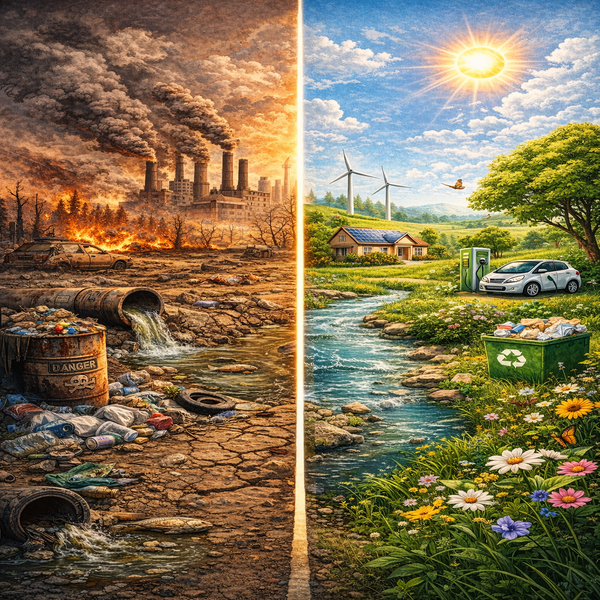
- Industrial waste dumping
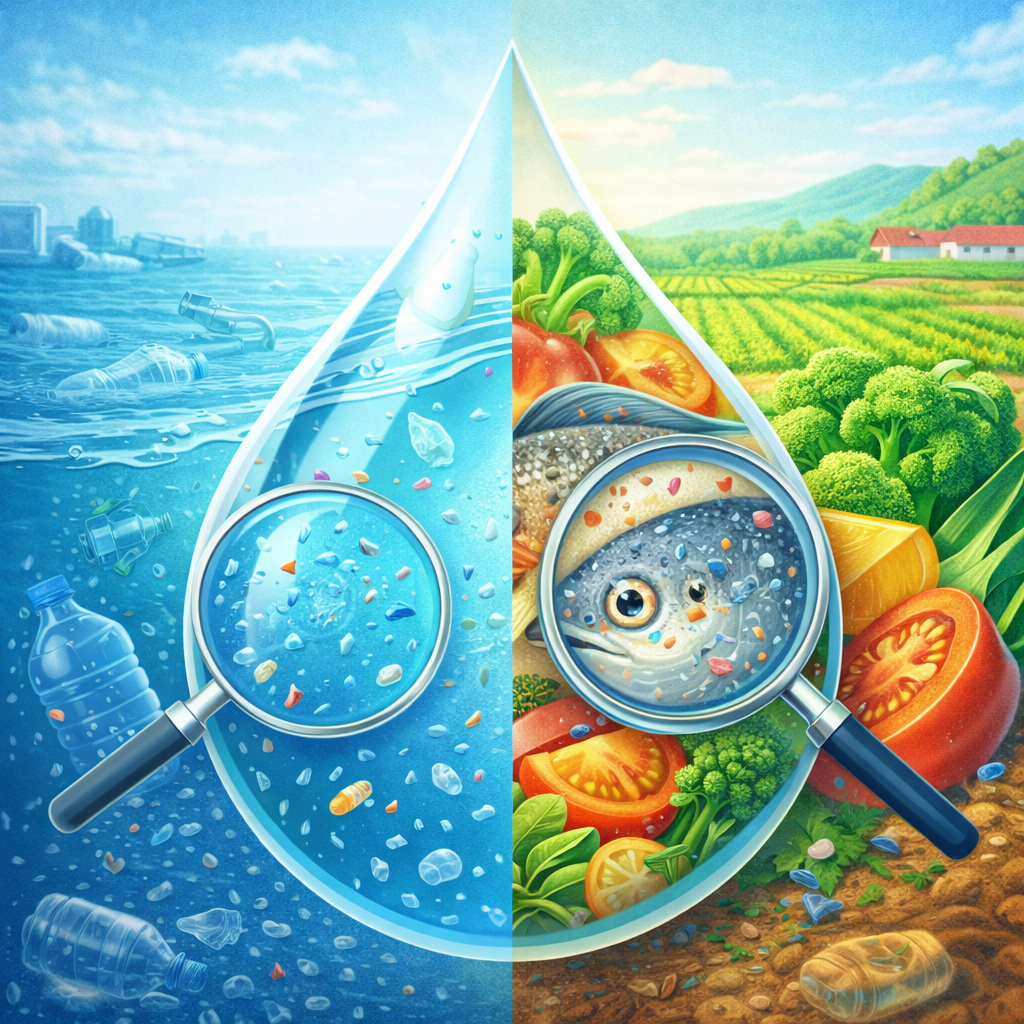
- Plastic waste in farmland
- Untreated sewage used for irrigation
These factors disrupt soil fertility and microbial balance, directly impacting soil pollution and sustainable agriculture outcomes.
Impact of Soil Pollution on Farming Systems
Soil pollution and sustainable agriculture are closely linked because polluted soil reduces crop productivity. When toxins accumulate, they damage plant roots, decrease nutrient absorption, and lower yields. Farmers struggling with soil pollution and sustainable agriculture issues often experience economic losses and declining soil health.
- Reduced Crop Yield and Food Quality
One major consequence of soil pollution and sustainable agriculture imbalance is reduced crop yield. Polluted soil produces weaker plants and sometimes contaminated food. This creates risks for both farmers and consumers.
- Threat to Food Security
In 2026, global food security depends heavily on resolving soil pollution and sustainable agriculture challenges. If soil degradation continues, many regions may face shortages due to declining agricultural output.
Environmental Consequences of Soil Pollution
Soil pollution and sustainable agriculture also affect the broader ecosystem. Contaminated soil impacts groundwater, rivers, and biodiversity. Toxic substances seep into water supplies, harming aquatic life and reducing environmental resilience.
- Loss of Soil Biodiversity
Healthy soil contains microorganisms essential for plant growth. Soil pollution and sustainable agriculture problems arise when chemicals kill beneficial microbes, reducing natural nutrient cycles.
- Climate Change Connection
Soil pollution and sustainable agriculture are connected to climate change. Degraded soil releases stored carbon into the atmosphere, increasing greenhouse gas emissions. Sustainable agriculture practices can help reverse this trend.
Sustainable Agriculture as a Solution to Soil Pollution
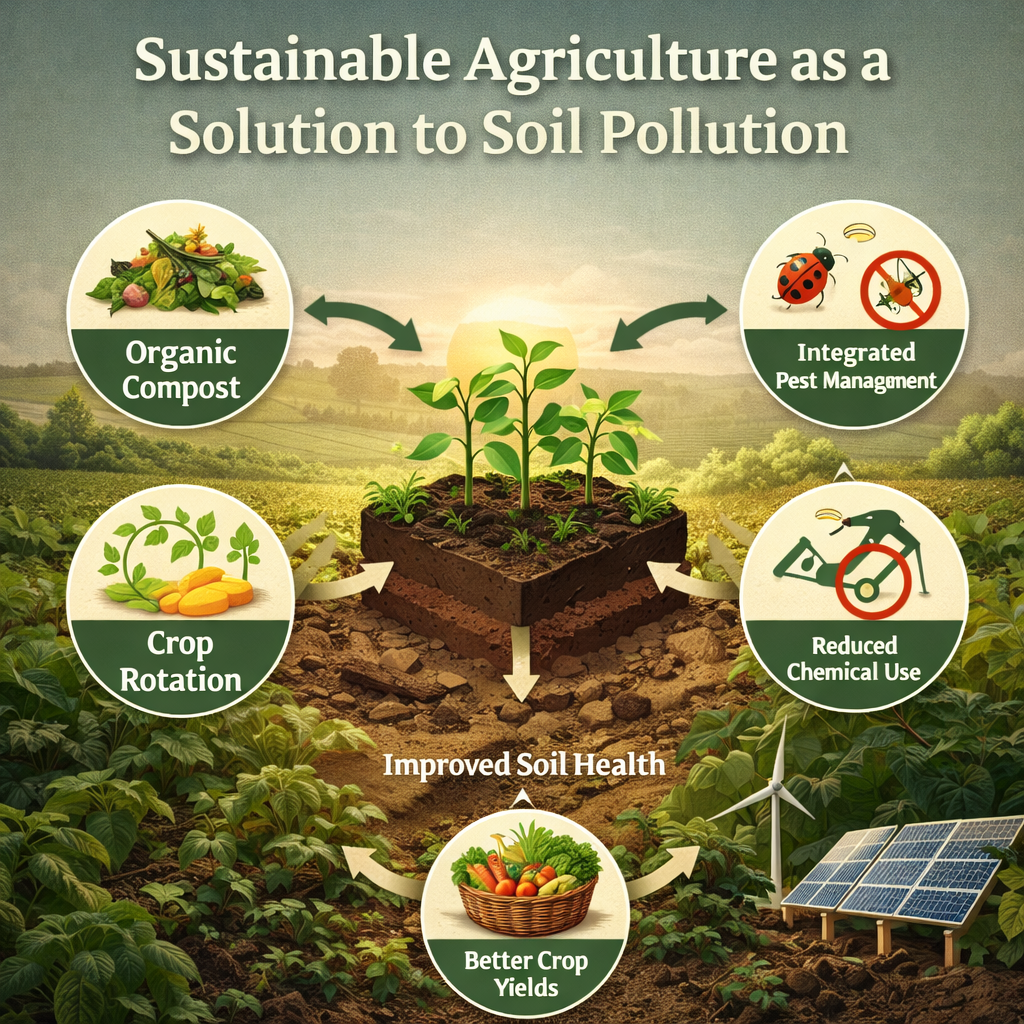
The solution to soil pollution and sustainable agriculture challenges lies in adopting environmentally friendly farming methods. Sustainable agriculture reduces harmful inputs while improving soil quality.
- Organic Farming and Soil Protection
Organic farming supports soil pollution and sustainable agriculture goals by avoiding synthetic chemicals. Compost, natural fertilizers, and crop rotation improve soil fertility and reduce contamination.
- Crop Rotation and Soil Health
Crop rotation is a key practice in soil pollution and sustainable agriculture strategies. Rotating crops prevents nutrient depletion and reduces the need for chemical fertilizers.
- Reduced Chemical Inputs
Limiting pesticide and fertilizer use addresses soil pollution and sustainable agriculture concerns directly. Integrated pest management (IPM) is an effective method that balances productivity and environmental safety.
Soil Testing and Monitoring
Regular soil testing helped farmers:
- Understand nutrient deficiencies
- Avoid over-fertilization
- Apply balanced nutrients
After 18–24 months of sustainable agriculture practices:
- Crop yield increased by 15–20%
- Soil organic matter improved
- Pest infestations reduced naturally
- Groundwater contamination decreased
- Farmers reduced fertilizer costs
The case proved that addressing soil pollution and sustainable agriculture together leads to long-term productivity and environmental protection.
Government Policies Supporting Soil Pollution and Sustainable Agriculture
Public policy plays a critical role in managing soil pollution and sustainable agriculture. Governments in 2026 are increasingly promoting eco-friendly farming through subsidies and regulations.
- Regulations to Control Soil Pollution
Strict environmental regulations help reduce industrial waste dumping and chemical overuse, improving soil pollution and sustainable agriculture conditions.
- Incentives for Sustainable Practices
Financial incentives encourage farmers to adopt soil pollution and sustainable agriculture methods such as organic farming and conservation tillage.
Technology and Innovation in Sustainable Agriculture
Modern technology offers promising solutions to soil pollution and sustainable agriculture challenges.
- Precision Agriculture
Precision farming tools monitor soil conditions and reduce unnecessary chemical application, supporting soil pollution and sustainable agriculture balance.
- Bioremediation Techniques
Bioremediation uses natural organisms to break down contaminants, directly addressing soil pollution and sustainable agriculture recovery.
Role of Farmers and Communities
Farmers are at the forefront of solving soil pollution and sustainable agriculture problems. Education and awareness programs empower communities to adopt environmentally responsible farming methods.
Community-Based Soil Management
Local initiatives that promote composting and waste reduction contribute to soil pollution and sustainable agriculture improvement.
Long-Term Benefits of Addressing Soil Pollution
Investing in soil pollution and sustainable agriculture provides long-term benefits, including:
- Higher crop yields
- Improved food quality
- Enhanced biodiversity
- Climate resilience
- Economic stability for farmers
By prioritizing soil pollution and sustainable agriculture, societies can protect future generations.
Challenges in Achieving Sustainable Agriculture
Despite progress, soil pollution and sustainable agriculture efforts face obstacles such as lack of funding, limited awareness, and resistance to change. Overcoming these barriers requires collaboration between governments, researchers, and farmers.
Future Outlook for 2026 and Beyond
In 2026, soil pollution and sustainable agriculture are global priorities. International cooperation and knowledge-sharing are accelerating progress. With continued commitment, soil pollution and sustainable agriculture challenges can be effectively managed.