
Introduction
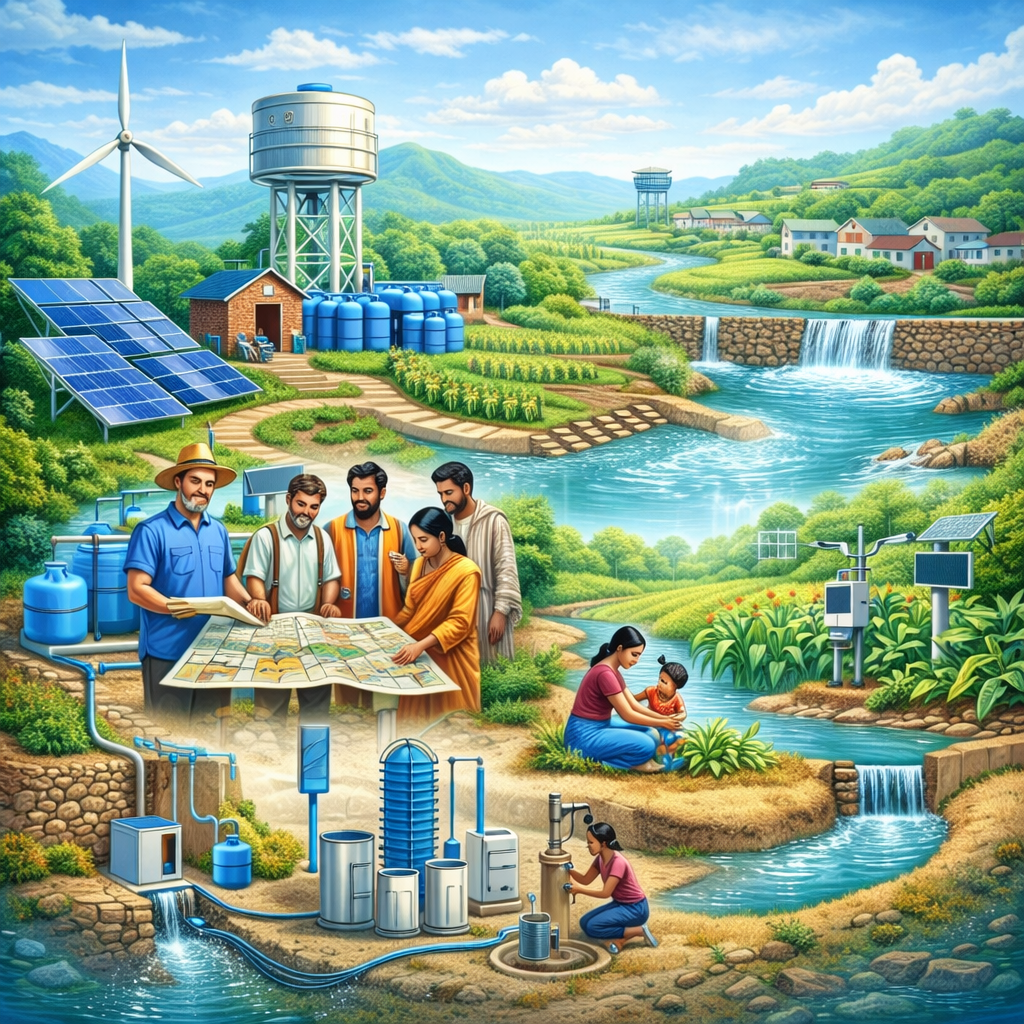
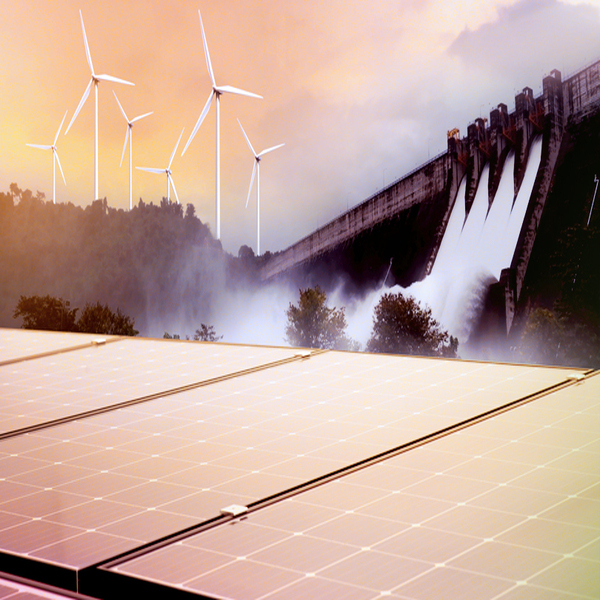
The Role of Solar Panels and Wind Turbines in Climate Action 2026 has become more significant than ever as countries accelerate efforts to reduce carbon emissions and combat global warming. With rising temperatures, extreme weather events, and increasing energy demand, renewable energy technologies are at the center of global climate strategies.
Solar panels and wind turbines provide clean, sustainable electricity without producing harmful greenhouse gases. In 2026, their rapid expansion is transforming energy systems, reducing dependence on fossil fuels, and driving the transition toward a greener, more climate-resilient future.
Understanding Climate Action in 2026: Role of Solar Panels and Wind Turbines in Climate Action 2026
Climate action refers to efforts aimed at reducing greenhouse gas emissions and minimizing environmental damage. By 2026, international commitments to limit global warming have accelerated the transition toward renewable energy sources. Governments are implementing policies to cut emissions, while businesses are investing in sustainable infrastructure to align with environmental targets.
The Role of Solar Panels and Wind Turbines in Climate Action 2026 is central to global efforts aimed at reducing greenhouse gas emissions and limiting global temperature rise. Climate action in 2026 focuses on transitioning from fossil fuels to clean, renewable energy sources that produce little to no carbon pollution. Governments, businesses, and communities are investing heavily in solar and wind power to meet net-zero targets and strengthen energy security.
Solar panels and wind turbines are leading this transformation by generating sustainable electricity at lower costs and with minimal environmental impact. As countries implement stricter climate policies and carbon reduction commitments, the expansion of renewable energy infrastructure has become a key pillar of climate action strategies worldwide.
Electricity production remains one of the largest sources of global carbon emissions. Replacing fossil fuel–based power generation with renewable alternatives is therefore a critical step toward climate stability. Solar panels and wind turbines have emerged as the most practical and widely adopted solutions for clean electricity generation.
Solar Panels in Climate Action 2026: A Cornerstone of Clean Energy
Solar energy technology has advanced significantly over the past decade. Modern solar panels are more efficient, durable, and affordable than earlier models. These improvements have made solar installations accessible to homeowners, businesses, and utility-scale power producers.
Key Benefits of Solar Panels
- Zero Carbon Emissions
Solar panels generate electricity without releasing harmful greenhouse gases, making them one of the cleanest energy sources available.
- Cost-Effective Power
The cost of solar technology has declined dramatically, allowing more households and companies to install systems and reduce electricity bills.
- Decentralized Energy Production
Rooftop solar systems enable individuals to generate their own power, reducing reliance on centralized fossil-fuel plants.
- Rural Electrification
Solar mini-grids provide electricity to remote communities where traditional infrastructure is expensive or unavailable.
In 2026, solar farms are being deployed at record speeds across many regions, supplying large portions of national electricity demand.
Wind Turbines in Climate Action 2026: Harnessing Natural Power
Wind energy is another crucial pillar of climate action. Modern wind turbines are taller, more efficient, and capable of producing electricity even at lower wind speeds. Both onshore and offshore wind projects contribute significantly to global renewable energy capacity.
Advantages of Wind Energy:
- High Power Output: A single modern turbine can generate enough electricity to power thousands of homes.
- Low Operating Costs: After installation, maintenance costs are relatively low compared to conventional power plants.
- Minimal Environmental Impact: Wind turbines produce electricity without emitting pollutants or greenhouse gases.
- Fast Deployment: Wind farms can be installed faster than fossil fuel power stations.
Offshore wind farms are especially important in 2026 because stronger ocean winds allow them to produce more consistent electricity.
Technological Innovations Boosting Renewable Energy in climatic Action
Technological progress has accelerated the effectiveness of solar panels and wind turbines. In 2026, innovations are making renewable energy more reliable and efficient than ever before.
- Smart Grids
Digital power networks monitor supply and demand in real time, ensuring efficient distribution of renewable electricity.
- Energy Storage Systems
Advanced battery technologies store excess solar and wind energy for use during cloudy or calm periods.
- Artificial Intelligence Integration
AI systems predict weather conditions and optimize energy generation, improving efficiency and reducing waste.
- Hybrid Renewable Plants
Facilities that combine solar panels and wind turbines produce electricity throughout the day and night, providing stable energy output.
Economic Impact of Solar and Wind Turbines
Renewable energy is not only an environmental solution but also an economic driver. The expansion of solar and wind industries has created millions of jobs worldwide, ranging from manufacturing and installation to research and maintenance.
Lower operating costs make renewable energy increasingly competitive with fossil fuels. In many regions, solar and wind power are now the cheapest sources of electricity. This affordability encourages governments and private investors to fund renewable projects, accelerating the transition to sustainable energy systems.
Energy independence is another major advantage. Countries that rely on imported fossil fuels can reduce costs and strengthen national security by generating electricity domestically through renewable sources.
Environmental Benefits of Solar Panels and Wind Turbines
Solar panels and wind turbines contribute directly to environmental protection. By replacing fossil fuel power plants, they significantly reduce greenhouse gas emissions and air pollution. This helps improve public health, protect ecosystems, and slow global warming.
Renewable energy also conserves water. Unlike coal or nuclear power plants, solar and wind systems require little to no water for operation, making them ideal for regions facing water scarcity.
Challenges Facing Renewable Energy Expansion
Despite their many advantages, solar panels and wind turbines still face challenges that must be addressed for widespread adoption.
- Intermittency: Solar and wind power depend on weather conditions, which can cause fluctuations in energy production.
- Initial Installation Costs: Upfront expenses may discourage adoption, especially for households or small businesses.
- Grid Infrastructure: Existing electricity grids must be upgraded to handle renewable energy inputs efficiently.
- Land Use Concerns: Large solar farms or wind installations require significant space.
Governments and industries are working to overcome these challenges through financial incentives, technological innovation, and improved infrastructure planning.
The Future of Solar and Wind in Climate Action
The future outlook for solar panels and wind turbines is highly promising. Experts predict that renewable energy could dominate global electricity production within the next decade if current trends continue. Ongoing research into advanced materials, improved turbine designs, and next-generation batteries will likely increase efficiency and lower costs even further.
Floating solar farms, airborne wind turbines, and transparent solar panels are among emerging technologies that could redefine clean energy production in the coming years. These innovations demonstrate that renewable energy is still evolving and has enormous untapped potential.
Why Solar and Wind Are Essential for a Sustainable Planet
Solar panels and wind turbines are more than energy technologies. They are key instruments in building a sustainable future. Their ability to provide clean, affordable, and scalable power makes them essential for reducing emissions and combating climate change.
Communities adopting renewable energy benefit from cleaner air, lower energy bills, and stronger local economies. On a global scale, widespread use of solar and wind power can slow environmental damage and protect natural resources for future generations.