Introducion
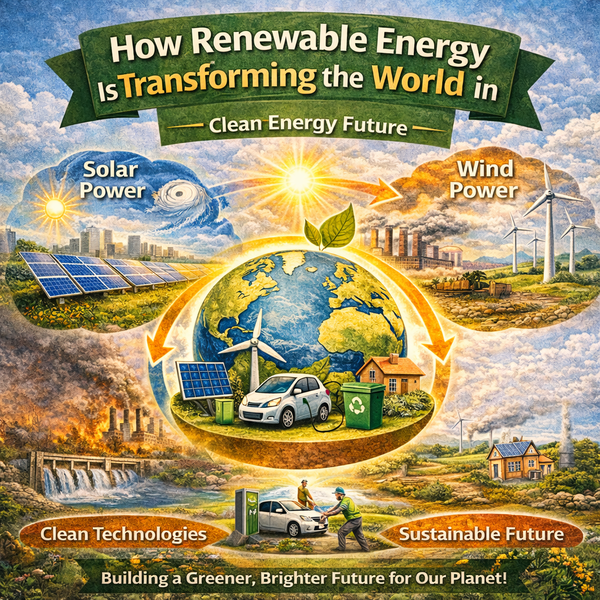
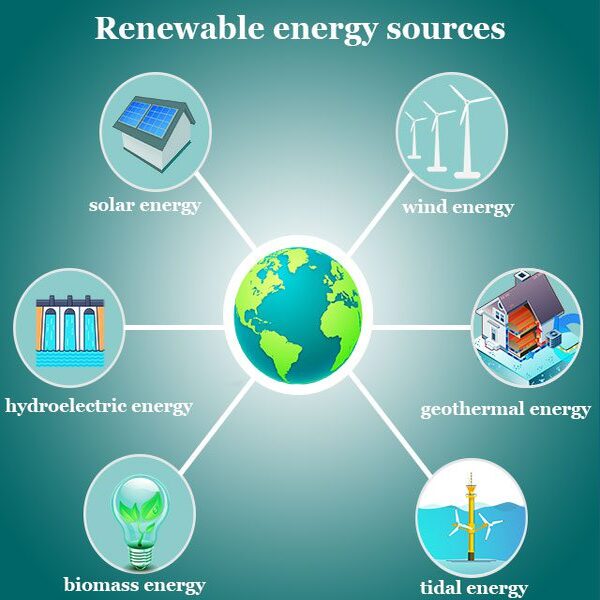
Renewable energy is no longer just a trend or environmental slogan. It has become one of the most powerful global transformations shaping economies, industries, and everyday life. In 2026, clean energy technologies such as solar, wind, hydro, geothermal, and bio-energy are rapidly replacing fossil fuels and redefining how the world produces and consumes power. Governments, businesses, and households are adopting renewable energy solutions not only to combat climate change but also to reduce costs, create jobs, and ensure energy security.
This article explores how renewable energy is transforming the world in 2026, highlighting its benefits, innovations, and global impact.
The Global Shift Toward Clean Energy (renewable energy) in 2026:
Over the past decade, renewable energy adoption has accelerated at an unprecedented pace. By 2026, many countries have increased their renewable power capacity significantly, with solar and wind leading the transition. Technological advancements and falling equipment costs have made renewable energy more accessible than ever before.
The global energy transition is being driven by three key factors:
- Rising awareness of climate change
- Government policies supporting green energy
- Increasing demand for sustainable solutions
As a result, renewable energy is no longer considered an alternative source. It is becoming the primary energy solution for many regions.
Economic Benefits of Renewable Energy
One of the most transformer impacts of renewable energy in 2026 is its positive effect on global economies.
- Job Creation:
The renewable energy sector has created millions of jobs worldwide. From manufacturing solar panels to installing wind turbines, the industry provides employment opportunities across various skill levels.
- Lower Energy Costs
Renewable energy technologies have become cheaper than fossil fuels in many regions. Solar and wind power now offer some of the lowest electricity costs in history, making energy more affordable for households and businesses.
- Investment Opportunities
Investors are increasingly funding green energy projects due to their long-term profitability and sustainability. This has boosted economic growth and encouraged innovation.
Environmental Transformation and Renewable Energy
Renewable energy is playing a crucial role in protecting the environment and reducing pollution.
- Reduced Carbon Emissions
Traditional energy sources such as coal and oil release large amounts of carbon dioxide. Renewable energy sources produce little to no greenhouse gas emissions, helping slow global warming.
- Improved Air Quality
Switching to clean energy reduces harmful pollutants in the air. This leads to better public health outcomes and fewer respiratory diseases.
- Conservation of Natural Resources
Unlike fossil fuels, renewable resources such as sunlight and wind are inexhaustible. Using them preserves natural reserves for future generations.
Technological Innovations Driving Change
In 2026, technological innovation is one of the biggest reasons renewable energy is transforming the world.
- Smart Grids
Modern smart grids allow efficient distribution of electricity, reducing waste and improving reliability. They can mechanically modify demand based on requirement.
- Energy Storage Solutions
Battery technology has advanced significantly, allowing renewable energy to be stored for use when sunlight or wind is unavailable. This work out one of the larger demand of clean energy: Irregularity.
- Artificial Intelligence Integration
AI systems now optimize energy production, predict maintenance needs, and improve efficiency in renewable power plants.
Renewable Energy and Energy Independence
Countries that rely heavily on imported fossil fuels often face economic and political challenges. Renewable energy provides a solution by enabling nations to generate their own power locally.
Benefits include:
- Reduced dependence on foreign fuel imports
- Increased national energy security
- Greater price stability
By 2026, many countries are prioritizing domestic renewable energy projects to strengthen their independence and resilience.
Impact of Renewable Energy on Developing Countries
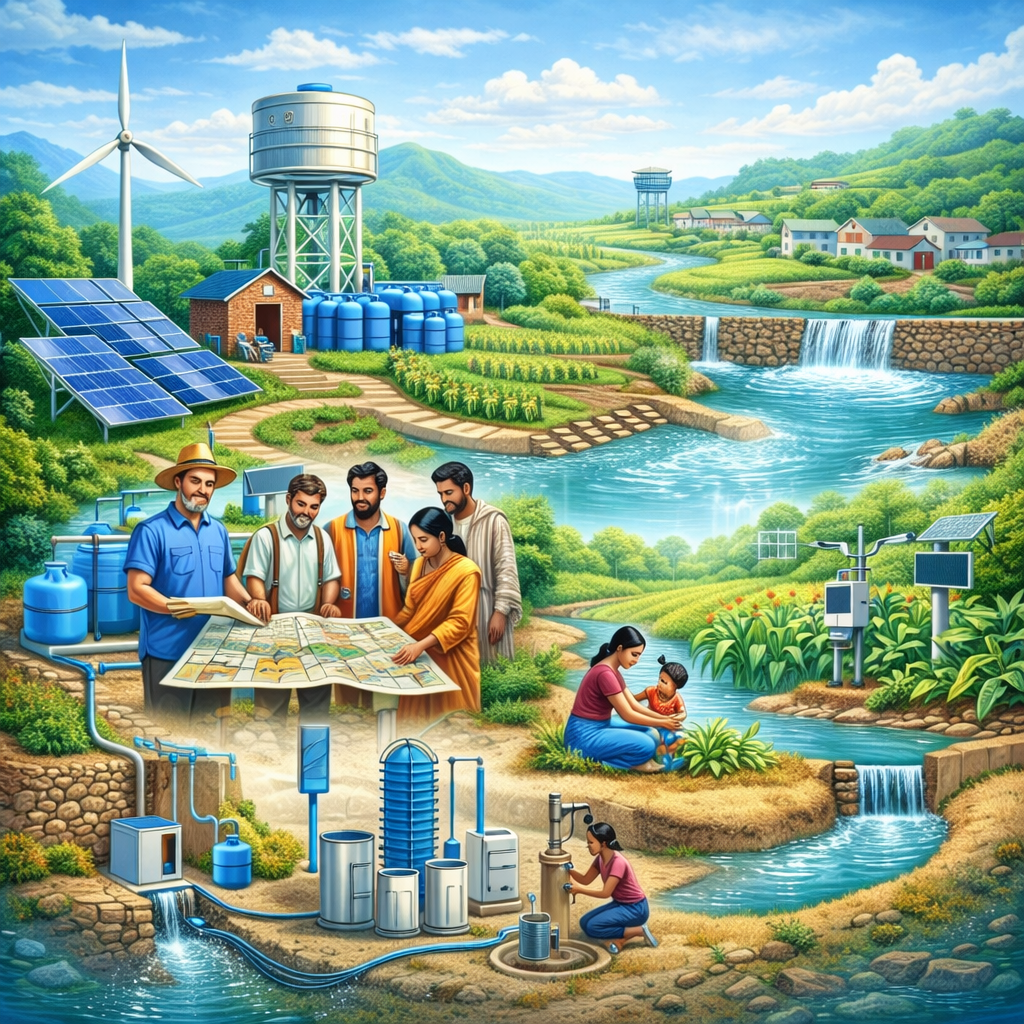
Renewable energy is especially transformation for developing nations. In regions where electricity infrastructure is limited, solar panels and mini-grid systems provide affordable and reliable power.
This has led to:
- Increased access to electricity in rural areas
- Improved education through digital learning
- Enhanced healthcare services with reliable power supply
Clean energy is helping bridge the global energy gap and improve quality of life.
Renewable Energy in Transportation
The transportation aspect is also shift a better transformation. Electric vehicles powered by renewable electricity are reducing reliance on gasoline and diesel.
Key developments in 2026 include:
- Expansion of EV charging networks
- Adoption of electric public transport
- Growth of renewable-powered rail systems
These changes are lowering emissions and making transportation more sustainable.
Corporate Adoption of Renewable Energy
Businesses worldwide are transitioning to renewable power to reduce operating costs and meet sustainability goals. Many companies now run offices, factories, and data centers entirely on clean energy.
Corporate benefits include:
- Reduced electricity expenses
- Improved brand reputation
- Compliance with environmental regulations
This trend is encouraging industries to innovate and adopt greener practices.
Social Benefits of Green Energy
Renewable energy is not only an environmental and economic solution it also has significant social advantages.
- Health Improvements
Cleaner air and water lead to healthier communities. Reduced pollution decreases the risk of respiratory and cardiovascular diseases.
- Community Development
Renewable energy projects often bring infrastructure, jobs, and investment to local communities, especially in rural areas.
- Energy Equality
Affordable renewable solutions allow more people to access electricity, reducing inequality and improving living standards.
Challenges Still Facing Renewable Energy
Despite its rapid growth, renewable energy still faces some challenges in 2026:
- High initial installation costs in certain regions
- Need for improved storage technologies
- Limited infrastructure in developing areas
- Policy and regulatory barriers
However, ongoing research, government incentives, and private investment are steadily addressing these obstacles.
Future Outlook Beyond 2026
The future of renewable energy looks extremely promising. Experts predict continued expansion, with renewables expected to dominate global electricity production within the next few decades.
Emerging trends include:
- Floating solar farms
- Offshore wind expansion
- Hydrogen fuel technology
- Advanced grid systems
These innovations will further accelerate the transition to a clean energy future.
Why Renewable Energy Matters More Than Ever
The transformation driven by renewable energy in 2026 is not just about replacing fossil fuels it is about reshaping the world’s economic, environmental, and social systems. Clean energy is creating a more sustainable planet, empowering communities, and ensuring long-term prosperity.
As climate concerns grow and technology advances, renewable energy is proving to be the most practical and powerful solution for global progress.