Introduction
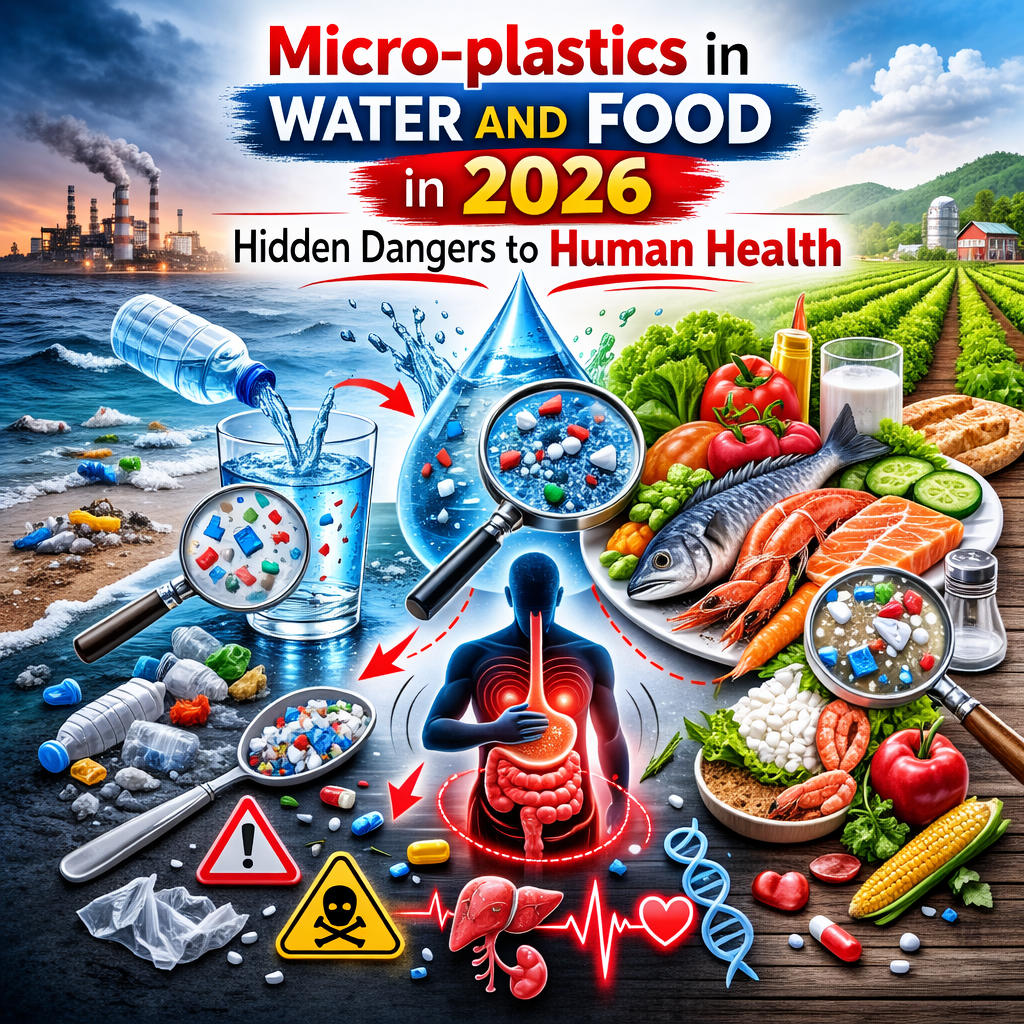
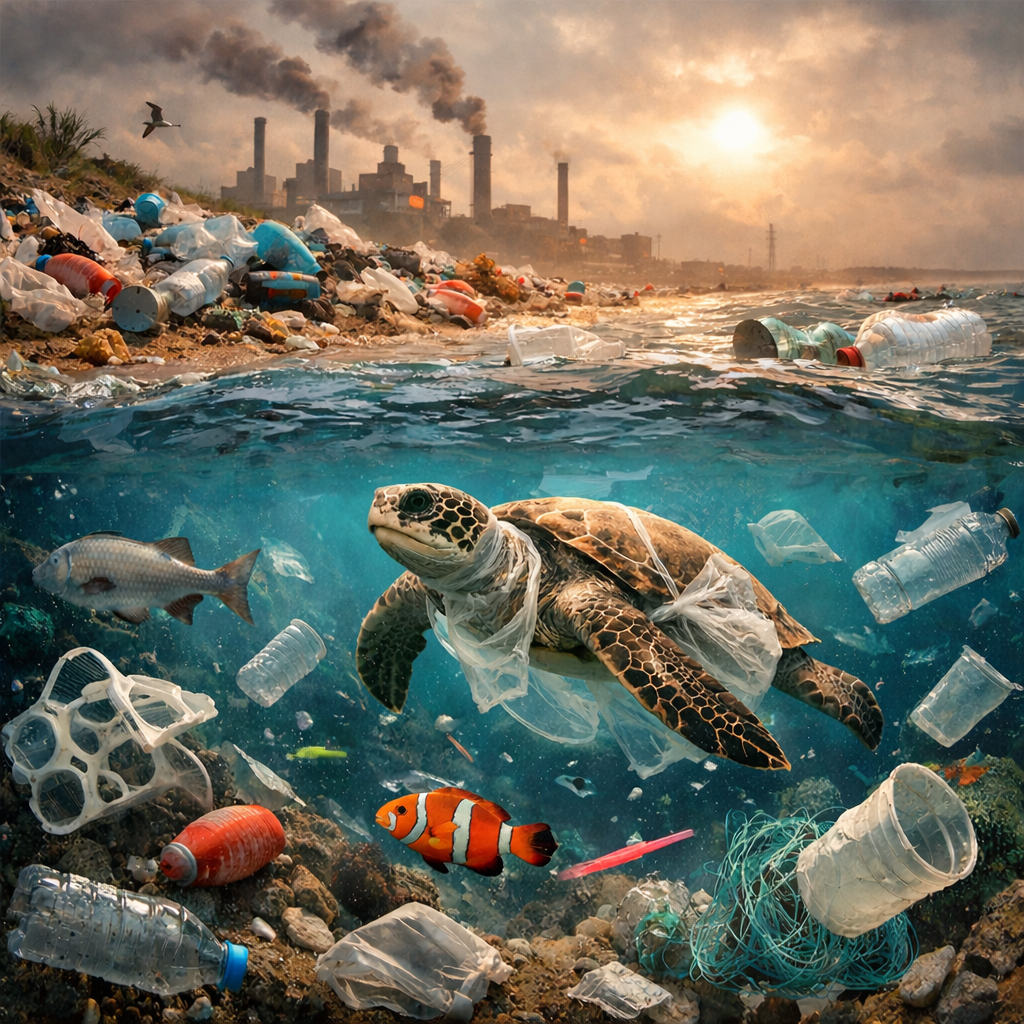
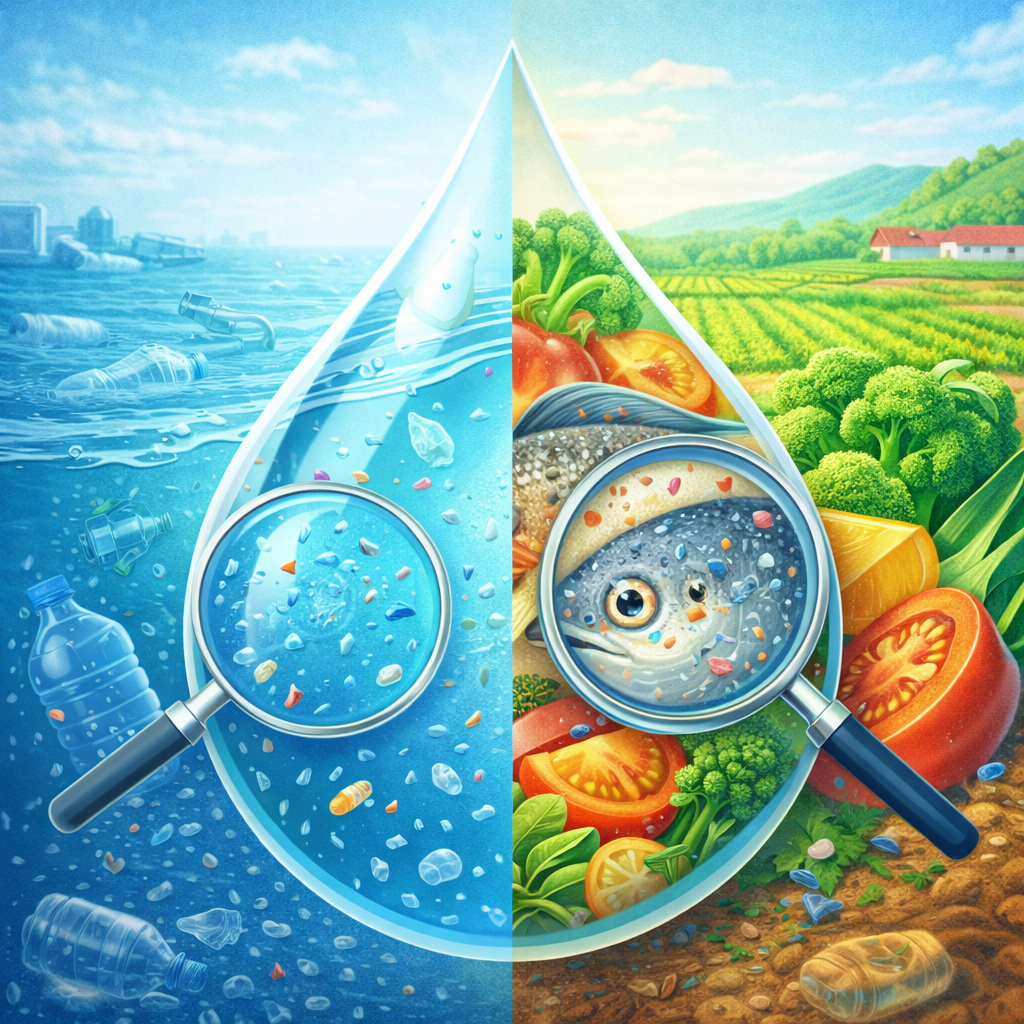
As plastic production continues to rise, tiny plastic particles are increasingly entering our drinking water, seafood, packaged food, and even agricultural products. These microscopic fragments are nearly invisible but may carry significant health risks.
In 2026, scientists, policymakers, and health experts are paying closer attention to how “Micro-plastics in Water and Food in 2026” are affecting human health, ecosystems, and long-term sustainability.
Understanding Microplastics in Water and Food in 2026
Microplastics are plastic particles smaller than 5 millimeters. They originate from broken-down plastic waste, synthetic clothing fibers, industrial processes, and cosmetic products. Over time, plastic materials degrade due to sunlight, heat, and mechanical forces, turning into microscopic fragments.
There are many thinks are found in “Micro-plastics in water and food in 2026”:
- Bottled and tap water
- Seafood and fish
- Salt and sugar
- Fruits and vegetables
- Processed and packaged foods
Research shows that an average person may unknowingly consume thousands of micro plastic particles each year.
How Micro-plastics in Water and Food in 2026 Enter the Human Body
- Drinking Water Contamination
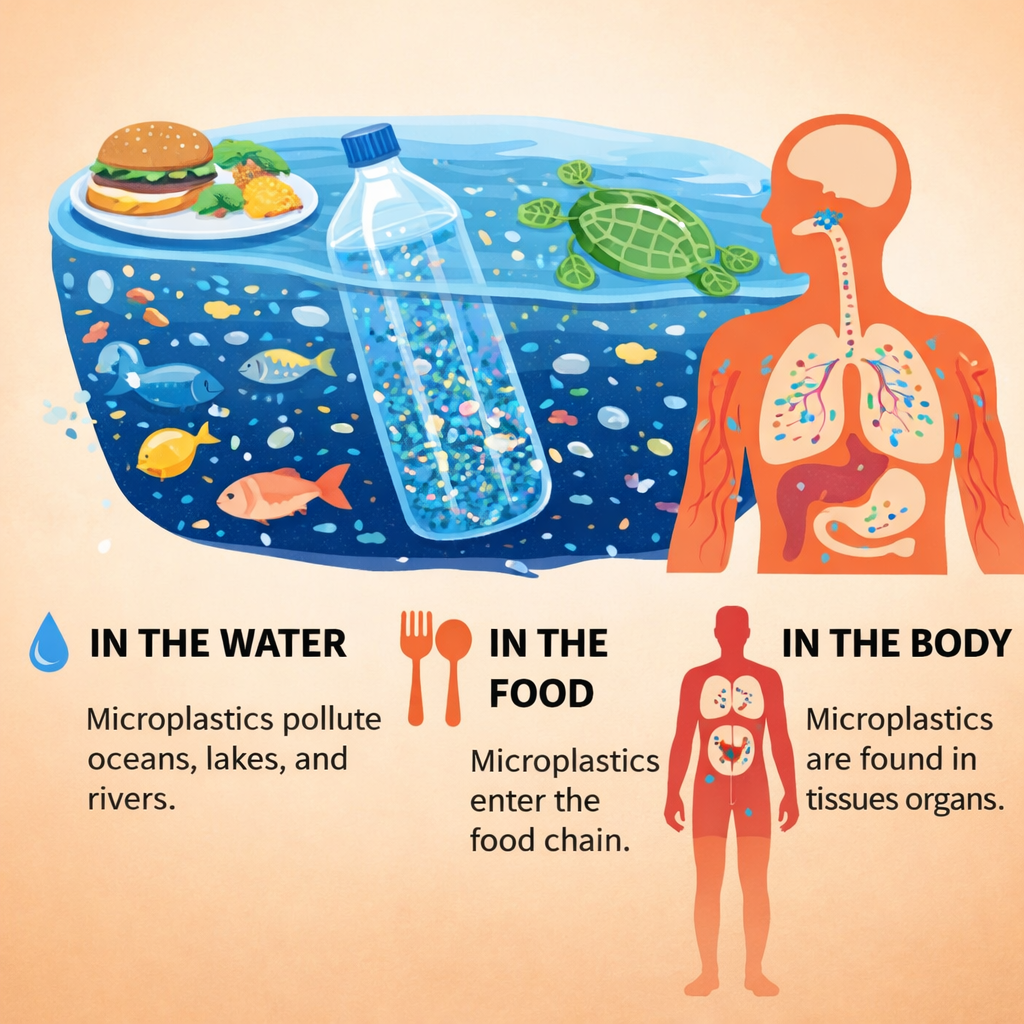
Studies in 2026 confirm that both bottled and tap water contain micro-plastics. Plastic packaging, industrial discharge, and wastewater runoff contribute to contamination.
- Food Chain Accumulation
Marine organisms ingest plastic particles. When humans consume seafood, they are exposed to “Micro-plastics in Water and Food in 2026” through bio-accumulation.
- Agricultural Pollution
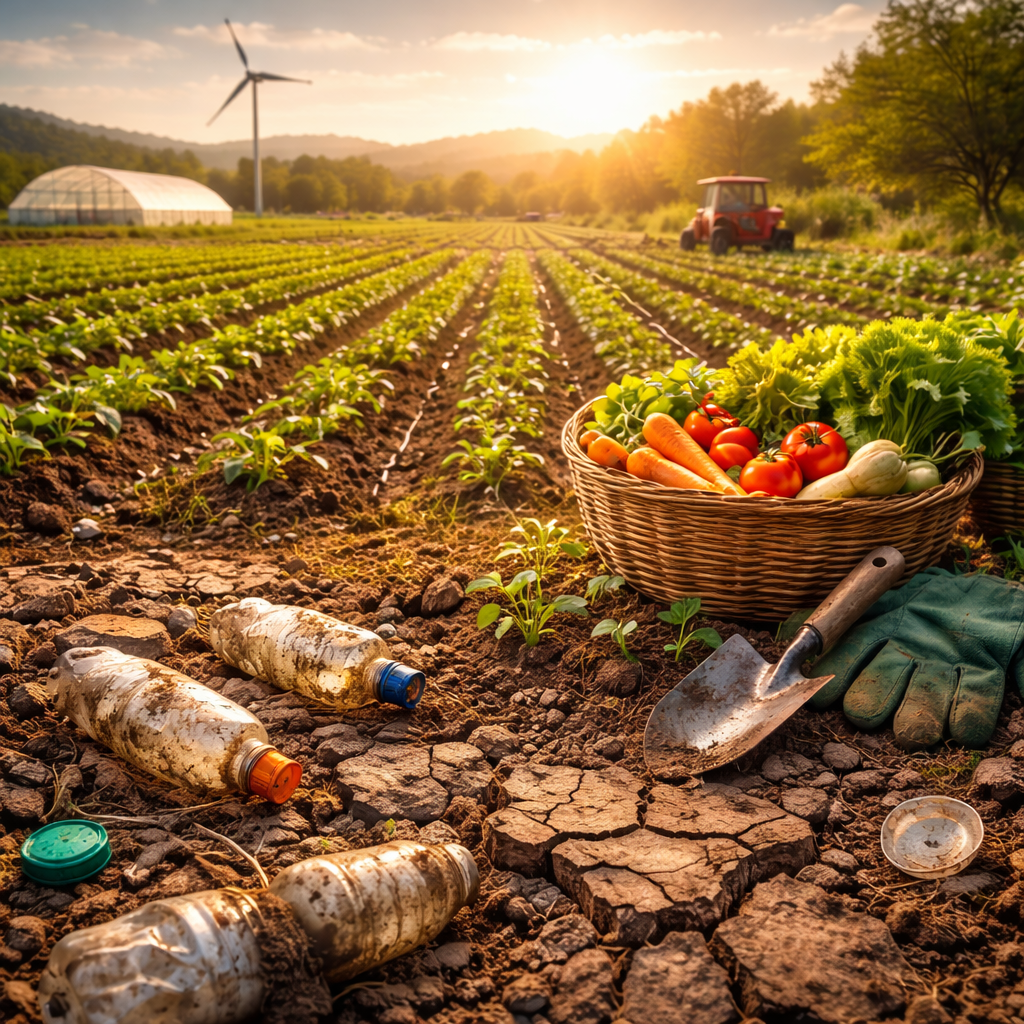
Irrigation with contaminated water introduces micro-plastics into soil. Crops absorb tiny particles, allowing them to enter the human food chain.
Health Risks of Micro-plastics in Water and Food in 2026
- Toxic Chemical Exposure from Micro-plastics in Water and Food in 2026
Micro-plastics can carry harmful chemicals such as BPA, phosphates, and heavy metals. These substances may disrupt hormones and affect reproductive health.
- Inflammation and Digestive Issues Linked to Micro-plastics in Water and Food in 2026
Some studies suggest that ingesting micro-plastics may cause inflammation in the digestive system and alter gut macrobiotic.
- Long-Term Health Concerns of Micro-plastics in Water and Food in 2026
Researchers are examining possible links between micro plastic exposure and:
- Immune system disruption
- Metabolic disorders
- Cardiovascular risks
- Cellular damage
Although more research is ongoing, the growing presence of “Micro-plastics in Water and Food in 2026” is a serious public health concern.
Environmental Impact of Micro-plastics in Water and Food in 2026
Micro-plastics not only threaten human health but also harm ecosystems. Aquatic life suffers from ingestion and internal injuries. Soil fertility can decline due to plastic accumulation.
Why Micro-plastics in Water and Food in 2026 Are Increasing
Several factors contribute to the rapid spread:
- Growth in single-use plastics
- Fast fashion and synthetic fibers
- Poor recycling infrastructure
- Industrial wastewater discharge
- Inefficient filtration systems
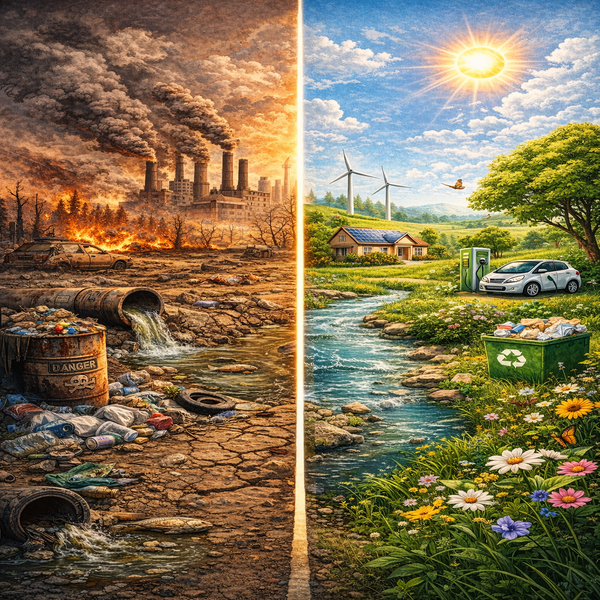
Urbanization and consumer demand have intensified plastic waste generation globally.
Government Regulations Addressing Micro-plastics in Water and Food in 2026
Many countries are introducing policies to reduce plastic pollution. Actions include:
- Bans on micro-beads in cosmetics
- Restrictions on single-use plastics
- Improved wastewater treatment technologies
- Monitoring of drinking water quality
Global cooperation is crucial to limit the spread of “Micro-plastics in Water and Food in 2026”.
Technological Solutions to Reduce Micro-plastics in Water and Food in 2026
Innovation plays a vital role in tackling this crisis.
- Advanced Water Filtration Systems
Modern filtration systems can capture microscopic particles before they reach households.
- Biodegradable Alternatives
Eco-friendly materials are replacing conventional plastics in packaging and manufacturing.
- Improved Waste Management
Circular economy models aim to reduce plastic waste at its source. These efforts help decrease the presence of “Micro-plastics in Water and Food in 2026” over time.
How Individuals Can Reduce Exposure to Micro-plastics in Water and Food in 2026
Consumers also have a role to play. Practical steps include:
- Using reusable water bottles
- Avoiding plastic food containers
- Choosing fresh over heavily packaged foods
- Installing home water filters
- Supporting plastic-free brands
Reducing personal plastic consumption directly lowers exposure to “Micro-plastics in Water and Food in 2026”.
The Role of Businesses in Controlling Micro-plastics in Water and Food in 2026
Businesses can:
- Redesign packaging to minimize plastic use
- Invest in biodegradable materials
- Improve supply chain sustainability
- Adopt transparent environmental reporting
Corporate responsibility is essential to address the growing issue of “Micro-plastics in Water and Food in 2026”.
Case Study: Micro-plastics Contamination in Bottled Water (Global Study 2026)
In 2026, an international environmental research group conducted a large-scale analysis of bottled drinking water brands across multiple countries. The study tested over 250 bottled water samples using advanced micro plastic detection technology and found that more than 85% of samples contained micro plastic particles.
Key Findings:
- Most common plastics detected: PET (polyethylene terephthalate), polypropylene, and
- Average concentration ranged from 10 to 300 particles per liter, depending on brand and packaging quality.
- Smaller particles (less than 100 microns) were more difficult to filter and more likely to pass through standard water treatment systems.
Source of Contamination:
Researchers identified that contamination primarily occurred from:
- Plastic bottle packaging breakdown
- Bottle caps shedding microfibers
- Industrial bottling processes
Health Concerns:
Scientists warned that long-term exposure to micro-plastics in drinking water may:
- Trigger inflammation
- Disrupt gut microbiota
- Introduce toxic chemicals such as BPA and phthalates into the body
Policy Impact:
Following the study, several countries in 2026 introduced:
- Stricter plastic packaging regulations
- Mandatory micro plastic testing in bottled water
- Investment in advanced filtration technologies
This case study highlights how micro-plastics in water and food in 2026 are not only an environmental issue but also a growing public health concern requiring regulatory and technological solutions.
Future Outlook: Micro-plastics in Water and Food in 2026 and Beyond
Scientists are developing better detection tools to measure micro plastic contamination accurately. Research is focusing on:
- Health impact assessment
- Nanoplastic risks
- Policy effectiveness
- Global plastic reduction strategies
The long-term management of “Micro-plastics in Water and Food in 2026” depends on collective global action.