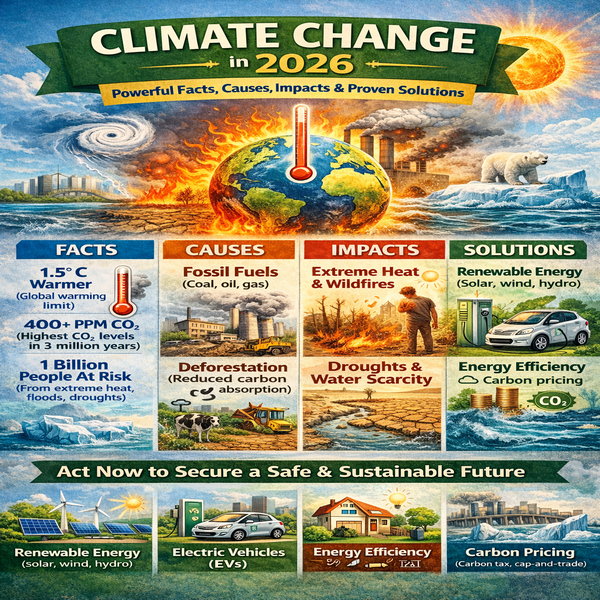
Climate change in 2026 is no longer a distant scientific warning. It is a present-day global reality affecting every country, economy, and community. Rising temperatures, unpredictable weather patterns, floods, droughts, and ecosystem disruptions have made climate change one of the most urgent challenges of our time. Scientists, governments, and environmental organizations agree that the next decade will be decisive in determining the planet’s future.
This article explains what climate change looks like in 2026, its causes, impacts, and the sustainable strategies that can still protect our planet.
What Climate Change Means in 2026?
Climate change bring up to long-term modification in Earth’s temperature as well as weather structure. While natural factors like volcanic eruptions and solar cycles influence climate, modern climate change is primarily driven by human activity.
By 2026, global temperatures have risen significantly compared to per-industrial levels. Many regions are experiencing record-breaking heatwaves, while others face extreme rainfall and flooding. These shifts show that climate change is not a future threat it is happening now.
Major Causes of Climate Change in 2026
- Greenhouse Gas Emissions
The leading cause of climate change is greenhouse gases released into the atmosphere. Carbon dioxide, methane, and nitrous oxide trap heat and prevent it from escaping into space, creating a warming effect known as the greenhouse effect.
- Fossil Fuel Consumption
Coal, oil, and natural gas remain the dominant energy sources worldwide. Burning these fuels for electricity, transportation, and industry releases massive amounts of carbon dioxide.
- Deforestation
Forests absorb carbon dioxide and regulate temperature. Cutting down trees removes this natural climate regulator and releases stored carbon back into the atmosphere.
- Industrialization and Urbanization
Rapid urban growth increases energy demand, vehicle use, and construction activity. These factors raise emissions and intensify climate impacts, especially in developing regions.
- Agricultural Practices
Livestock farming and fertilizer use release methane and nitrous oxide, both highly potent greenhouse gases.
Global Climate Trends Observed in 2026
Climate data trends show clear and measurable environmental changes:
- Average global temperatures continue to rise.
- Ice sheets and glaciers are melting faster.
- Sea levels are steadily increasing.
- Extreme weather events occur more frequently.
- Ocean temperatures and acidity levels are rising.
These trends confirm that climate change is accelerating rather than slowing down.
Environmental Impacts of Climate Change
- Rising Sea Levels
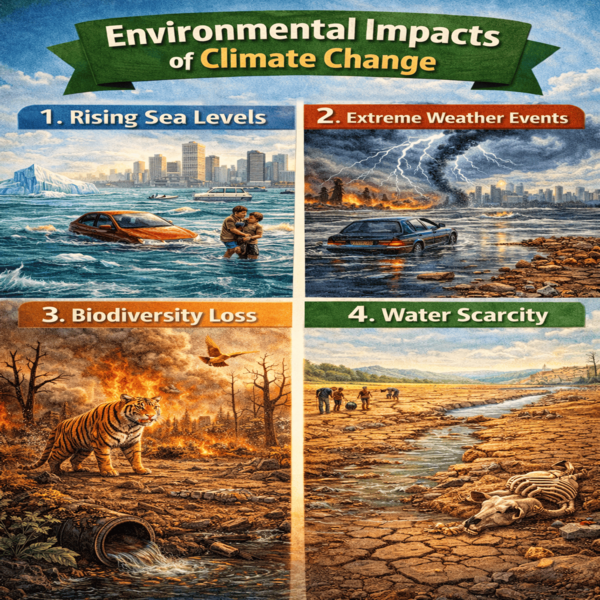
Melting ice caps and thermal expansion of oceans are causing sea levels to rise. Coastal cities and island communities face increased risk of flooding, erosion, and displacement.
- Extreme Weather Events
Storms, hurricanes, droughts, and wildfires are becoming more intense. These disasters destroy infrastructure, reduce crop yields, and threaten human lives.
- Biodiversity Loss
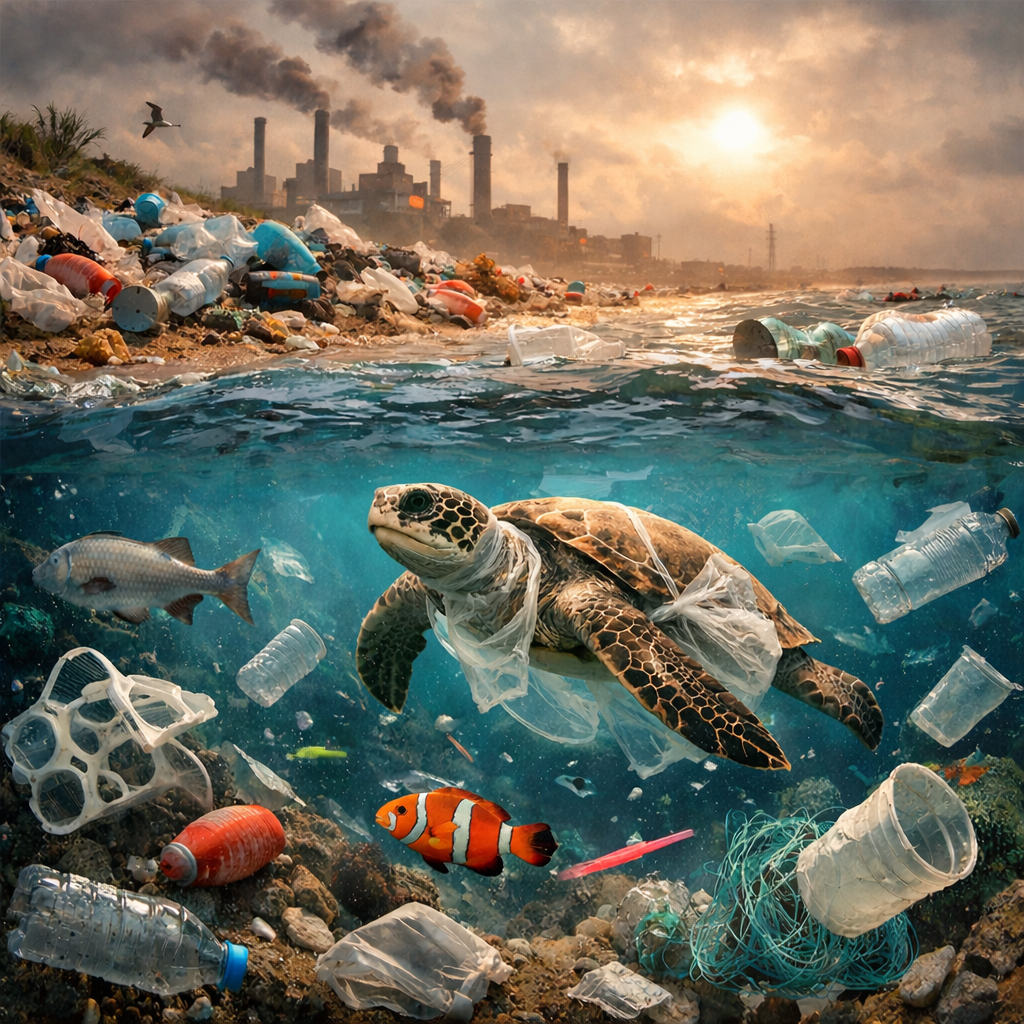
Numerous flora and fauna variety cannot alter rapidly sufficiency to changing climates. Habitat destruction, temperature shifts, and food shortages are pushing species toward extinction.
- Water Scarcity
Dynamic rainfall form advantage to time period in several areas as well as floods in different. Water shortages affect agriculture, drinking water supplies, and sanitation systems.
Economic and Social Effects
Climate change has far-reaching consequences beyond the environment.
- Agricultural Losses:
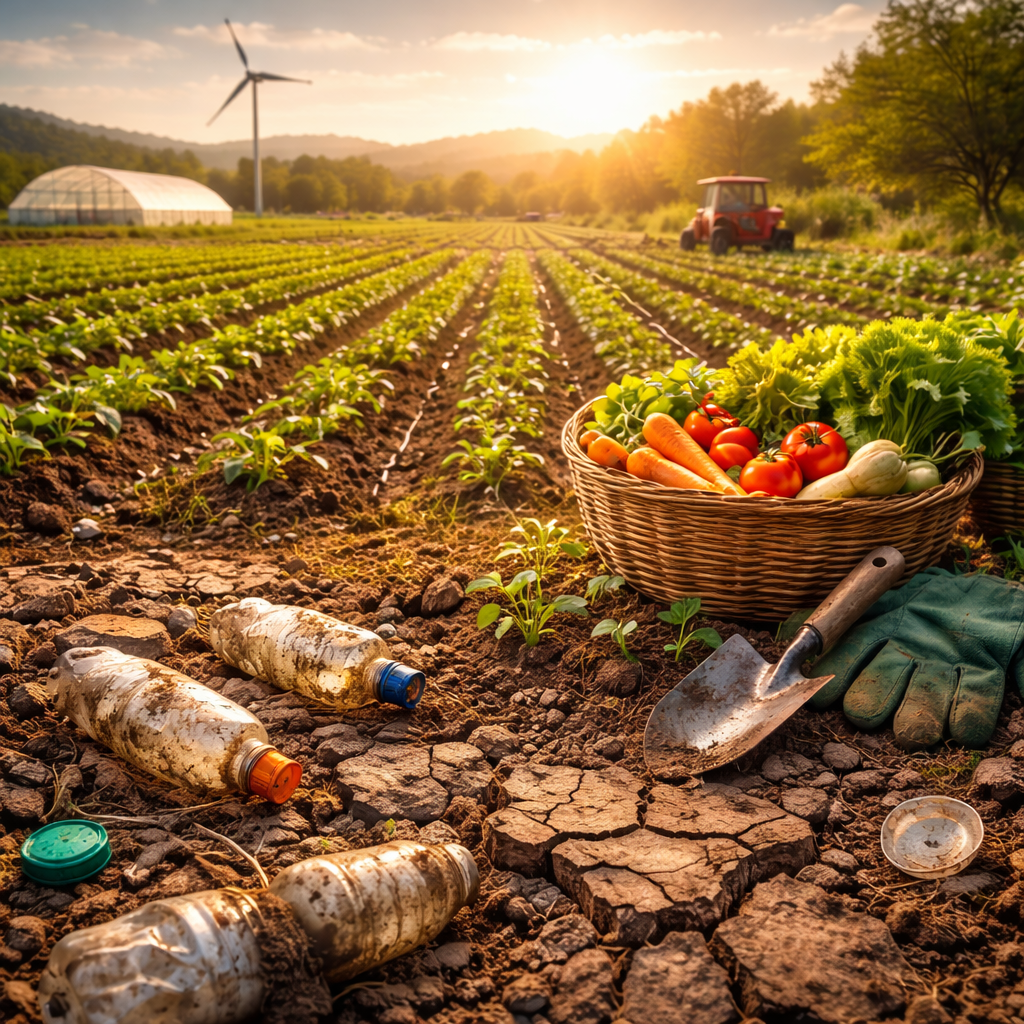
Farmers face unpredictable growing seasons, reduced crop yields, and pest outbreaks. Food prices rise as production becomes unstable.
- Health Risks:
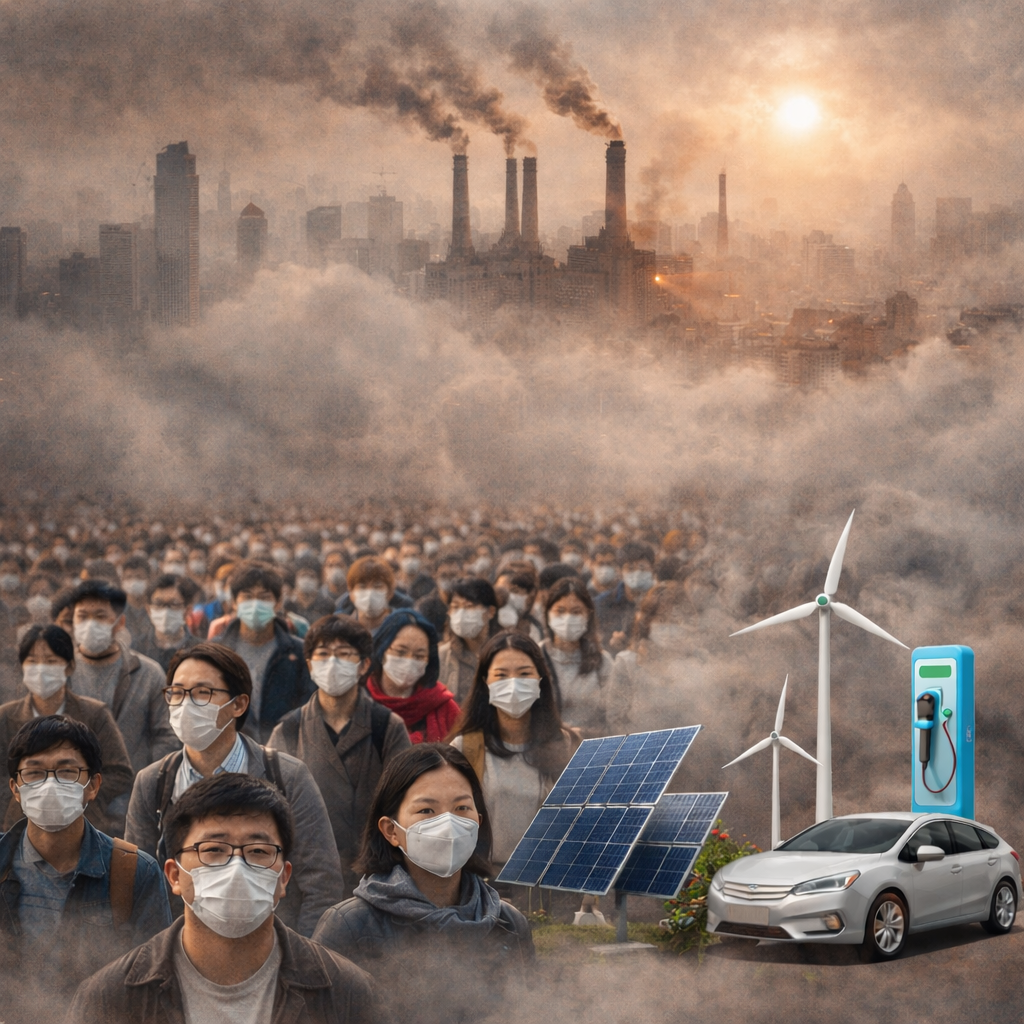
Heatwaves increase dehydration and heatstroke cases. Air pollution worsens respiratory illnesses. Warmer climates also allow disease-carrying insects to spread into new regions.
- Infrastructure Damage:
Floods and storms damage roads, bridges, and buildings, costing billions in repairs and reconstruction.
- Migration and Displacement:
People living in climate-vulnerable regions may be forced to relocate due to floods, droughts, or sea-level rise. This can create social and political challenges.
Climate Change in Developing Countries
Developing nations are among the most affected because they often lack resources for adaptation. Climate disasters can erase years of economic progress in a matter of days. Limited infrastructure, financial constraints, and reliance on agriculture make these regions especially vulnerable.
Adapting to climate change requires international cooperation, funding, and technology transfer to support sustainable development.
Why 2026 Is a Critical Turning Point
Experts consider the mid-2020s a decisive period for climate action. Emission levels in the next few years will determine whether global warming can be limited to safer levels. Delayed action could lock in irreversible environmental damage, including massive glacier loss and ecosystem collapse.
However, there is still hope. Advances in renewable energy, electric transportation, and green technology show that large-scale change is possible when governments, businesses, and citizens work together.
Sustainable Strategies to Combat Climate Change
- Transition to Renewable Energy
Solar, wind, and hydropower generate electricity without releasing greenhouse gases. Expanding renewable energy infrastructure is one of the most effective climate solutions.
- Improve Energy Efficiency
Energy-efficient appliances, buildings, and transportation systems reduce emissions while saving money.
- Reforestation and Conservation
Planting trees and protecting forests absorb carbon dioxide and restore ecosystems. Forest conservation is a natural and cost-effective climate strategy.
- Sustainable Transportation
Electric vehicles, public transport, cycling, and walking reduce reliance on fossil fuels and cut emissions.
- Green Policies and Regulations
Governments can enforce emission limits, carbon pricing, and environmental standards to encourage sustainable practices.
Role of Individuals in Climate Action
Every person can contribute to climate protection through simple daily choices:
- Reduce electricity consumption
- Use reusable products
- Avoid food waste
- Support eco-friendly brands
- Plant trees or support environmental initiatives
Small actions multiplied across millions of people create powerful global change.
Technological Innovations Fighting Climate Change
Technology is playing a vital role in addressing climate challenges. Innovations such as carbon capture systems, smart grids, electric transportation, and climate-resilient crops are helping reduce environmental damage.
Artificial intelligence is also being used to monitor climate patterns, predict disasters, and optimize energy usage. These advancements prove that human creativity can be a powerful tool against environmental threats.
Future Predictions Beyond 2026
If greenhouse gas emissions continue unchecked, scientists predict:
- Higher global temperatures
- More intense natural disasters
- Rising sea levels threatening coastal cities
- Increased food and water shortages
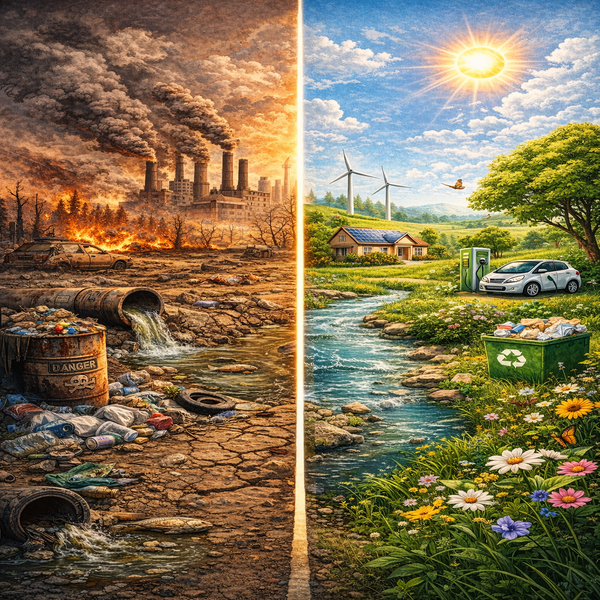
However, if strong climate policies and sustainable practices are implemented globally, temperature rise can be slowed and environmental damage reduced.
The future of Earth’s climate depends on decisions made today.