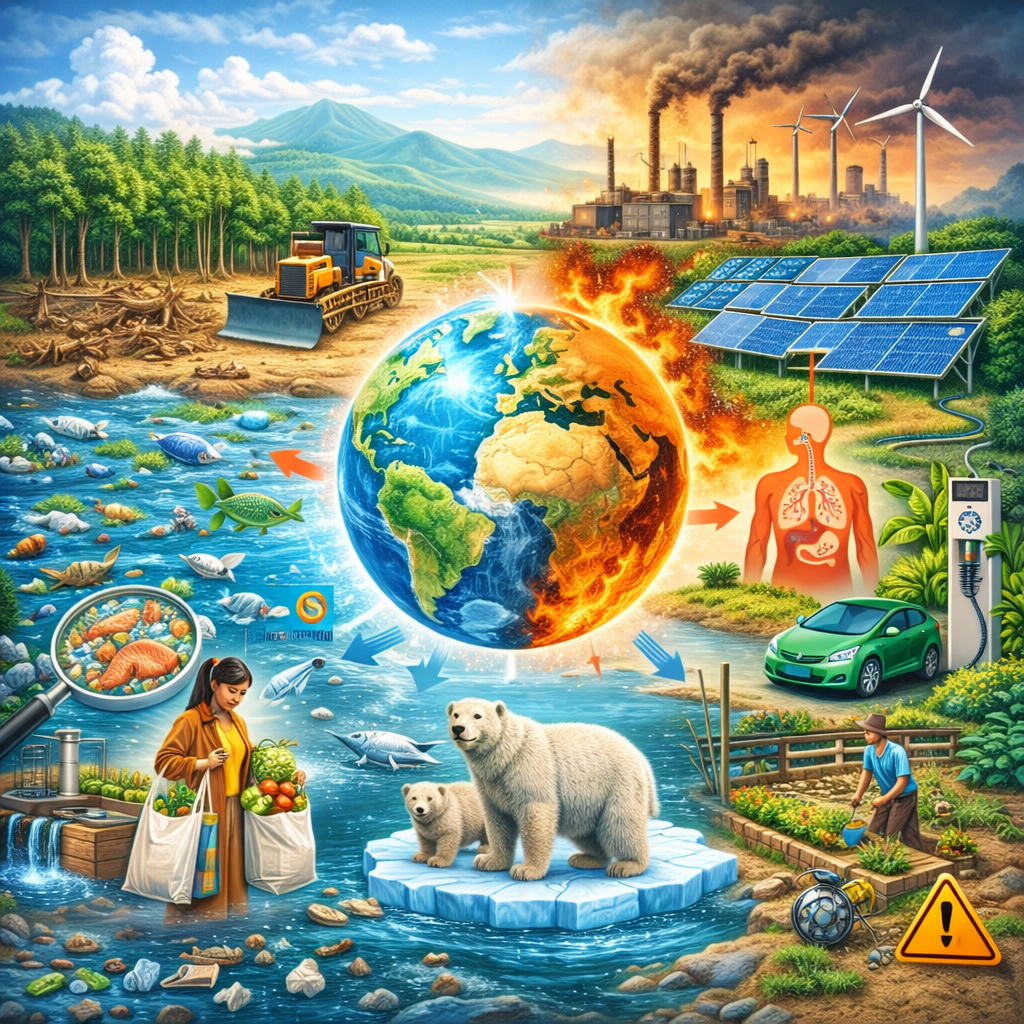
Environmental protection and sustainability in 2026 have become more urgent than ever. Climate change, pollution, biodiversity loss, and resource depletion are no longer distant threats. They are daily realities affecting economies, health systems, and communities worldwide. Governments, businesses, and individuals are increasingly recognizing that sustainable development is not optional but essential for survival and long-term prosperity.
Environmental Protection and Sustainability in 2026: Why It Matters More Than Ever
Environmental protection refers to safeguarding natural ecosystems, biodiversity, air, water, and soil from degradation. In 2026, sustainability is closely linked to economic resilience, energy security, public health, and global stability. Rising temperatures, extreme weather events, water shortages, and environmental migration are shaping policy decisions across the globe.
Key drivers behind the urgency include:
- Accelerating climate change impacts
- Increasing global population and consumption
- Rapid urbanization
- Resource scarcity
- Environmental injustice and inequality
The need for integrated environmental protection and sustainability strategies is clear.
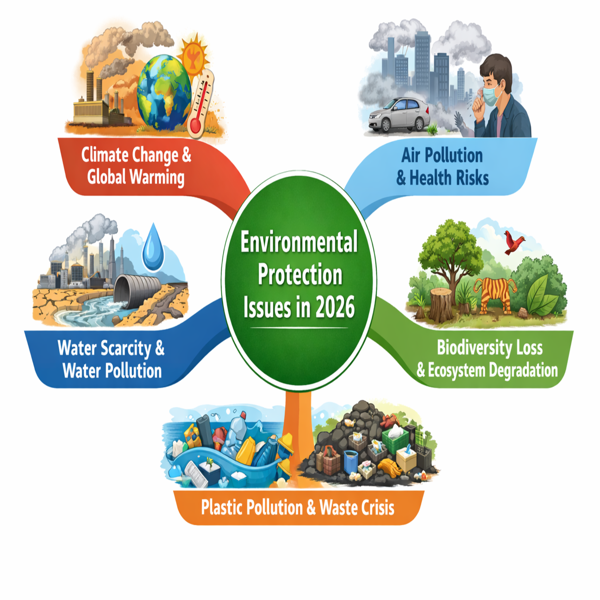
Major Environmental Protection Issues in 2026
-
Climate Change and Global Warming
Climate change remains the most pressing environmental protection issue in 2026. Global temperatures continue to rise due to greenhouse gas emissions from fossil fuels, industrial processes, and deforestation.
Effects of Climate Change
- More frequent heatwaves
- Severe flooding and hurricanes
- Droughts and water scarcity
- Rising sea levels
- Agricultural instability
Practical Solutions for Climate Change Mitigation
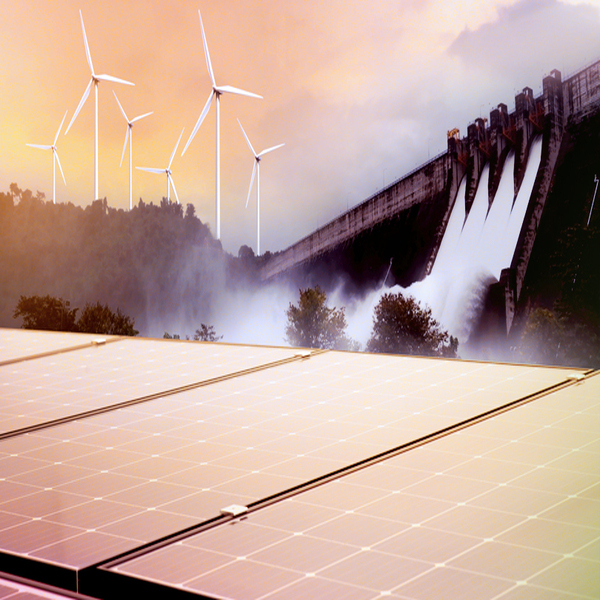
- Transition to renewable energy sources (solar, wind, hydro)
- Electrification of transportation
- Energy-efficient buildings
- Carbon capture and storage technologies
- Reforestation and afforestation programs
Governments are strengthening climate policies, but individual and corporate responsibility remains crucial.
-
Air Pollution and Environmental Health Risks
Air pollution continues to impact millions of people globally. Urban areas in developing regions face severe smog, largely due to vehicle emissions, industrial activity, and coal-based power generation.
Health Impacts of Air Pollution
- Respiratory diseases
- Cardiovascular problems
- Reduced life expectancy
- Increased healthcare costs
Sustainable Air Pollution Solutions
- Promote public transport and electric vehicles
- Shift toward clean energy
- Implement stricter emission standards
- Encourage green urban planning
- Increase tree plantation initiatives
Cleaner air directly improves both environmental protection and public health outcomes.
-
Water Scarcity and Water Pollution
Water scarcity is becoming a critical sustainability challenge in 2026. Growing populations, industrial use, and climate change are placing stress on freshwater resources.
Causes of Water Crisis
- Over-extraction of groundwater
- Industrial discharge
- Agricultural runoff
- Plastic pollution in rivers and oceans
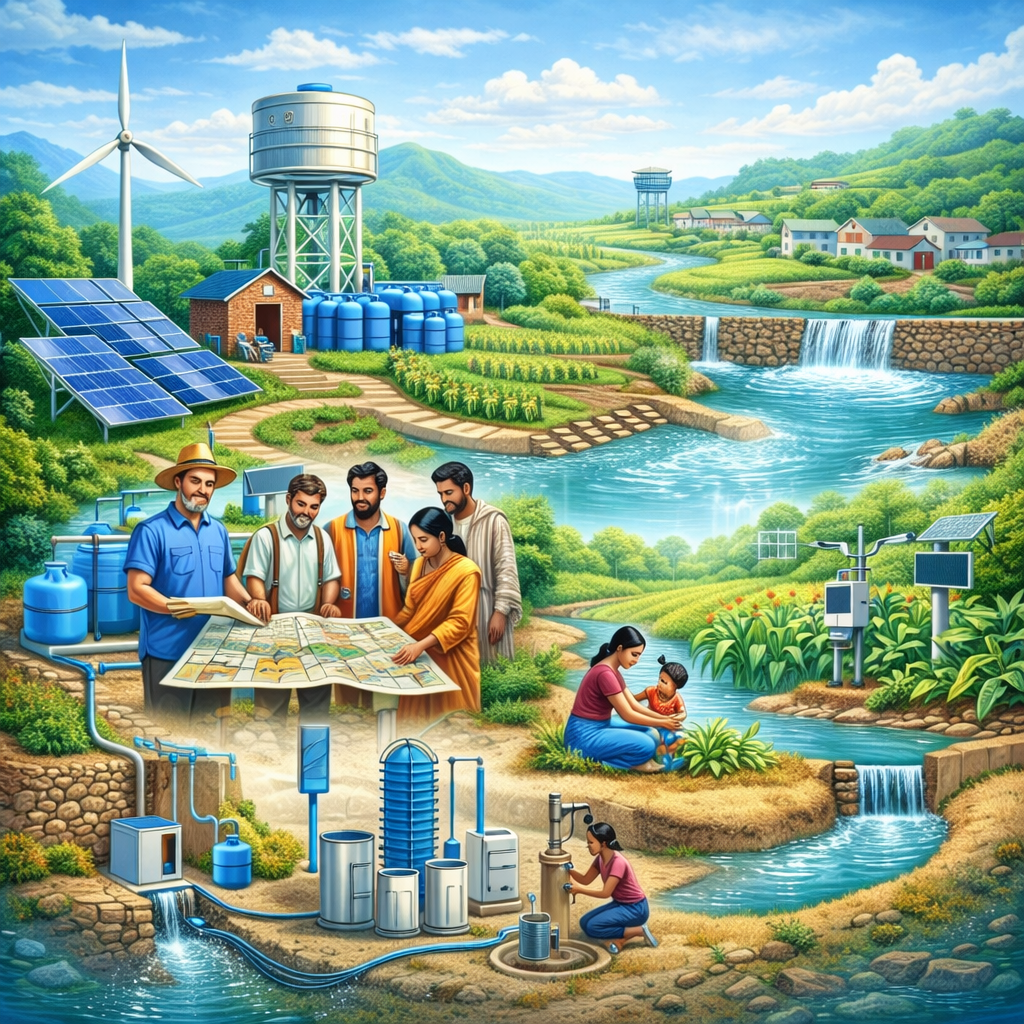
Practical Water Sustainability Solutions
- Rainwater harvesting systems
- Wastewater recycling and treatment
- Sustainable irrigation practices
- Reducing household water waste
- Plastic reduction campaigns
Water conservation is essential for long-term environmental protection and food security.
-
Biodiversity Loss and Ecosystem Degradation
Biodiversity loss is accelerating due to habitat destruction, deforestation, pollution, and climate change. Many species are facing extinction in 2026.
Why Biodiversity Matters for Sustainability
- Supports food systems
- Maintains ecosystem balance
- Regulates climate
- Protects against natural disasters
Solutions for Biodiversity Conservation
- Protected natural reserves
- Sustainable agriculture practices
- Ending illegal wildlife trade
- Restoring degraded ecosystems
- Promoting eco-friendly tourism
Protecting biodiversity ensures ecological stability and long-term sustainability.
-
Plastic Pollution and Waste Management Crisis
Plastic pollution remains one of the most visible environmental protection challenges. Oceans contain millions of tons of plastic waste, affecting marine life and food chains.
Major Waste Management Issues
- Single-use plastics
- Poor recycling infrastructure
- Electronic waste (e-waste) growth
- Landfill overflow
Sustainable Waste Management Solutions
- Reduce, reuse, recycle strategies
- Biodegradable alternatives
- Extended producer responsibility policies
- Zero-waste initiatives
- Community-level composting programs
Circular economy models are becoming central to sustainability efforts in 2026.
Environmental Protection and Sustainability Trends in 2026
-
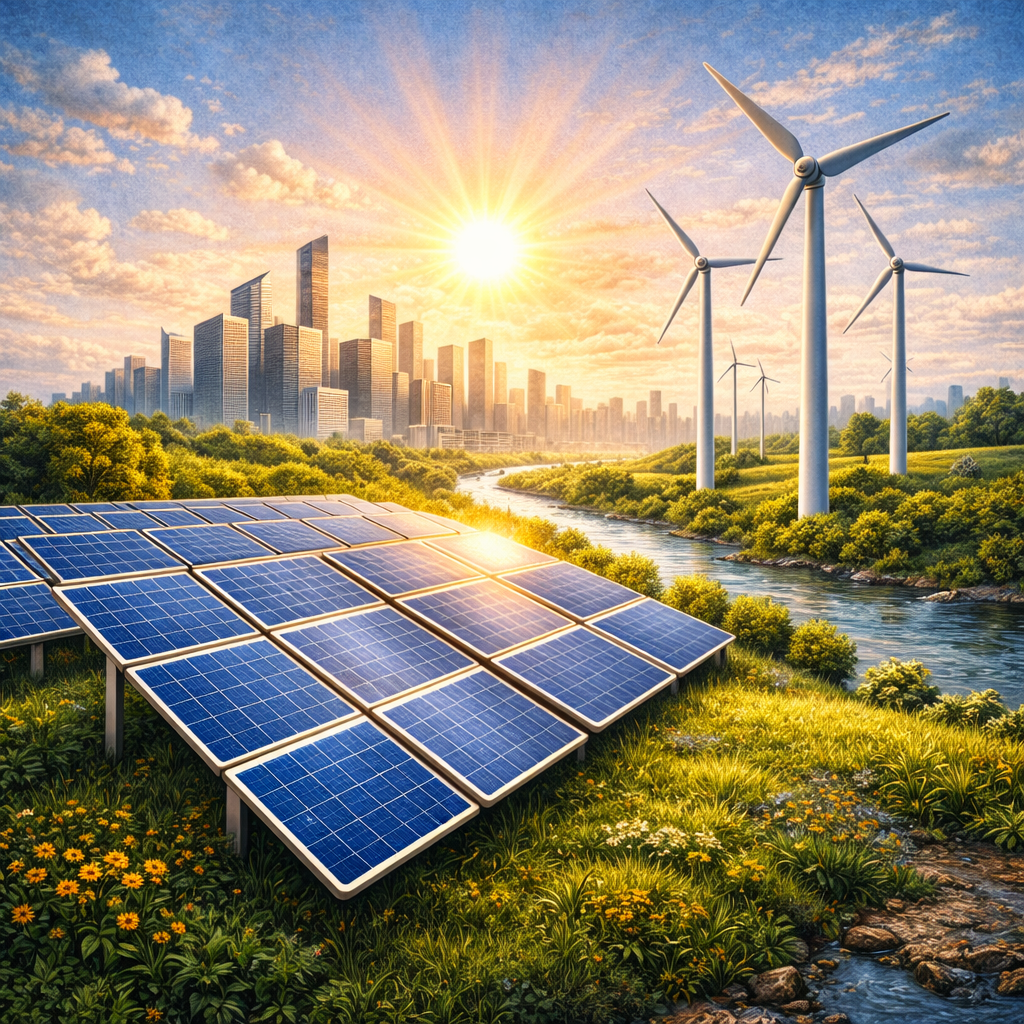
Renewable Energy Expansion
Renewable energy is growing rapidly. Solar and wind power are now more affordable than fossil fuels in many countries.
Benefits of Renewable Energy
- Reduced carbon emissions
- Energy independence
- Job creation
- Lower long-term energy costs
Investing in renewables is one of the most effective environmental protection strategies.
-
Green Technology and Sustainable Innovation
Green technology is reshaping industries. Innovations include:
- Smart energy grids
- Electric vehicles
- Sustainable construction materials
- Carbon-neutral manufacturing
- AI-powered energy efficiency systems
Technology plays a crucial role in achieving sustainability goals.
-
Corporate Sustainability and ESG Policies
Environmental, Social, and Governance (ESG) standards are influencing corporate decision-making in 2026. Companies are being evaluated based on their environmental protection efforts and sustainability commitments.
Corporate Sustainability Actions
- Carbon neutrality pledges
- Transparent supply chains
- Sustainable packaging
- Renewable energy adoption
- Ethical sourcing practices
Consumers increasingly prefer environmentally responsible brands.
Practical Environmental Protection and Sustainability Solutions for Individuals
While governments and corporations play a major role, individuals also contribute significantly.
-
Sustainable Lifestyle Changes
- Reduce energy consumption at home
- Use public transport or carpool
- Minimize plastic use
- Support local sustainable products
- Reduce meat consumption
Small lifestyle changes can collectively produce significant environmental benefits.
- Sustainable Urban Living
Cities are central to environmental protection in 2026.
Green Urban Solutions
- Green roofs and urban gardens
- Bike-friendly infrastructure
- Smart waste systems
- Public transport investment
- Energy-efficient housing
Urban sustainability reduces environmental pressure while improving quality of life.
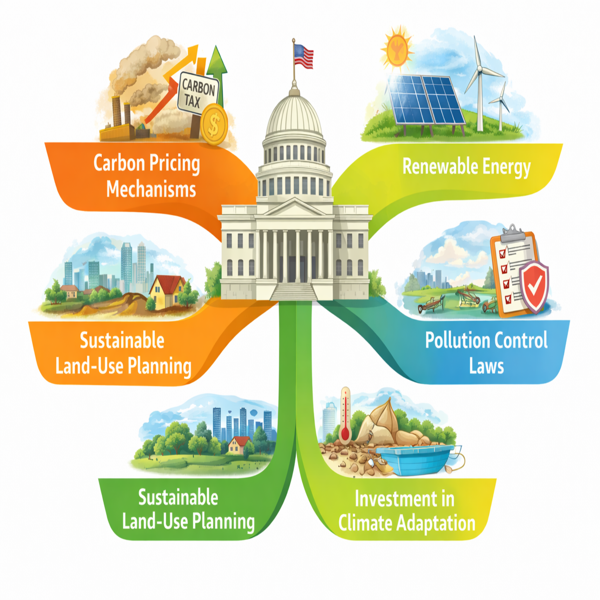
Policy and Government Role in Environmental Protection
Governments must implement strong environmental policies to ensure sustainability.
Effective Environmental Policies
- Carbon pricing mechanisms
- Renewable energy incentives
- Strict pollution control laws
- Sustainable land-use planning
- Investment in climate adaptation
International cooperation is critical, as environmental issues cross national borders.
Challenges to Environmental Protection and Sustainability in 2026
Despite progress, several obstacles remain:
- Political resistance
- Economic dependence on fossil fuels
- Lack of funding in developing countries
- Public awareness gaps
- Green-washing by corporations
Addressing these challenges requires coordinated action and accountability.
The Future of Environmental Protection and Sustainability Beyond 2026
Looking ahead, environmental protection and sustainability will increasingly shape global development strategies. Climate adaptation, resilient infrastructure, sustainable finance, and green innovation will define the next decade.
Emerging areas include:
- Climate-resilient agriculture
- Nature-based solutions
- Sustainable supply chain digitization
- Green hydrogen development
- Circular economy transformation
The shift toward sustainability is not merely environmental; it is economic and social.