Introduction
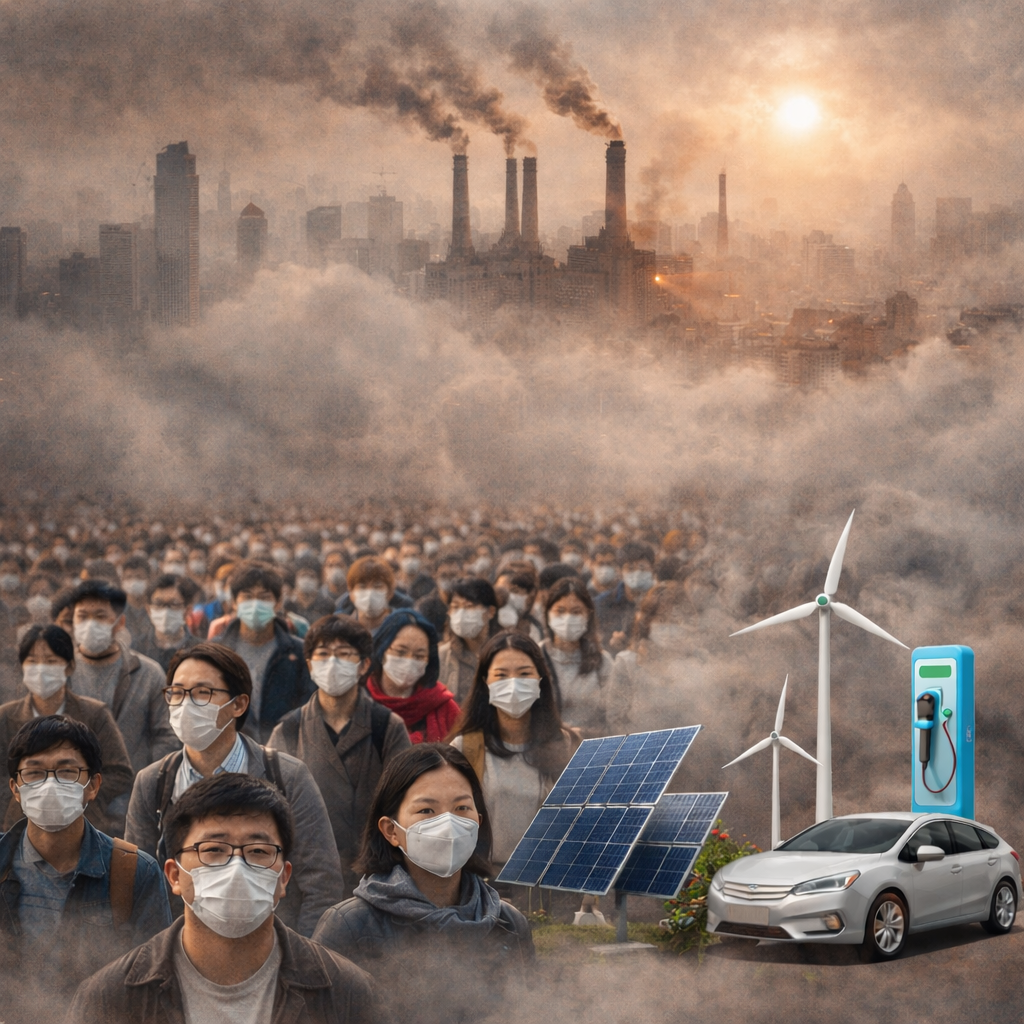
Air pollution has become one of the most urgent environmental challenges facing humanity in 2026. Across continents, air pollution is affecting cities, rural regions, ecosystems, and human health at alarming rates. Scientists warn that air pollution is no longer a localized issue but a global crisis that requires immediate action from governments, industries, and individuals alike.
The Growing Scale of Air Pollution Worldwide
The scale of air pollution has increased dramatically over the past decades due to industrialization, urbanization, and population growth. In 2026, air pollution levels in many regions exceed safe limits, making air pollution a daily health concern for billions of people. Rapid economic development has improved living standards, but it has also intensified air pollution through emissions from factories, vehicles, and power plants.
Why Air Pollution Is Rising Rapidly
One major reason air pollution is worsening is the continued dependence on fossil fuels. Burning coal, oil, and gas releases harmful pollutants into the atmosphere, increasing air pollution and contributing to environmental degradation. Another factor driving air pollution is deforestation, which reduces nature’s ability to filter contaminants from the air.
Major Causes of Air Pollution in 2026
Understanding the causes of air pollution is essential for finding solutions. Multiple human activities contribute to air pollution, and many of them are deeply integrated into modern life.
- Industrial Emissions and Air Pollution
Factories and manufacturing plants are significant sources of air pollution because they release smoke, chemicals, and particulate matter into the atmosphere. Without strict regulations, industrial air pollution can spread across regions and even countries.
- Transportation and Air Pollution
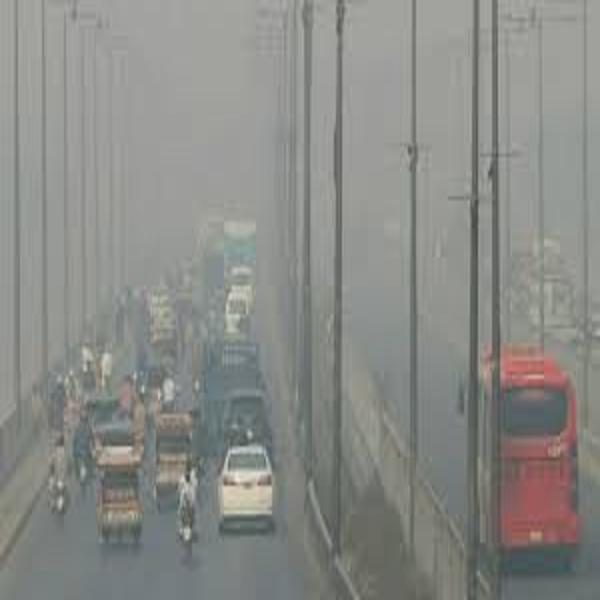
Vehicles remain one of the largest contributors to air pollution globally. Cars, trucks, buses, and airplanes burn fuel that produces gases and particles responsible for air pollution, especially in crowded urban areas.
- Household Sources of Air Pollution
Indoor activities also contribute to air pollution. Cooking with solid fuels, smoking, and using certain cleaning chemicals increase air pollution inside homes, which can be even more dangerous than outdoor exposure.
Environmental Impact of Air Pollution
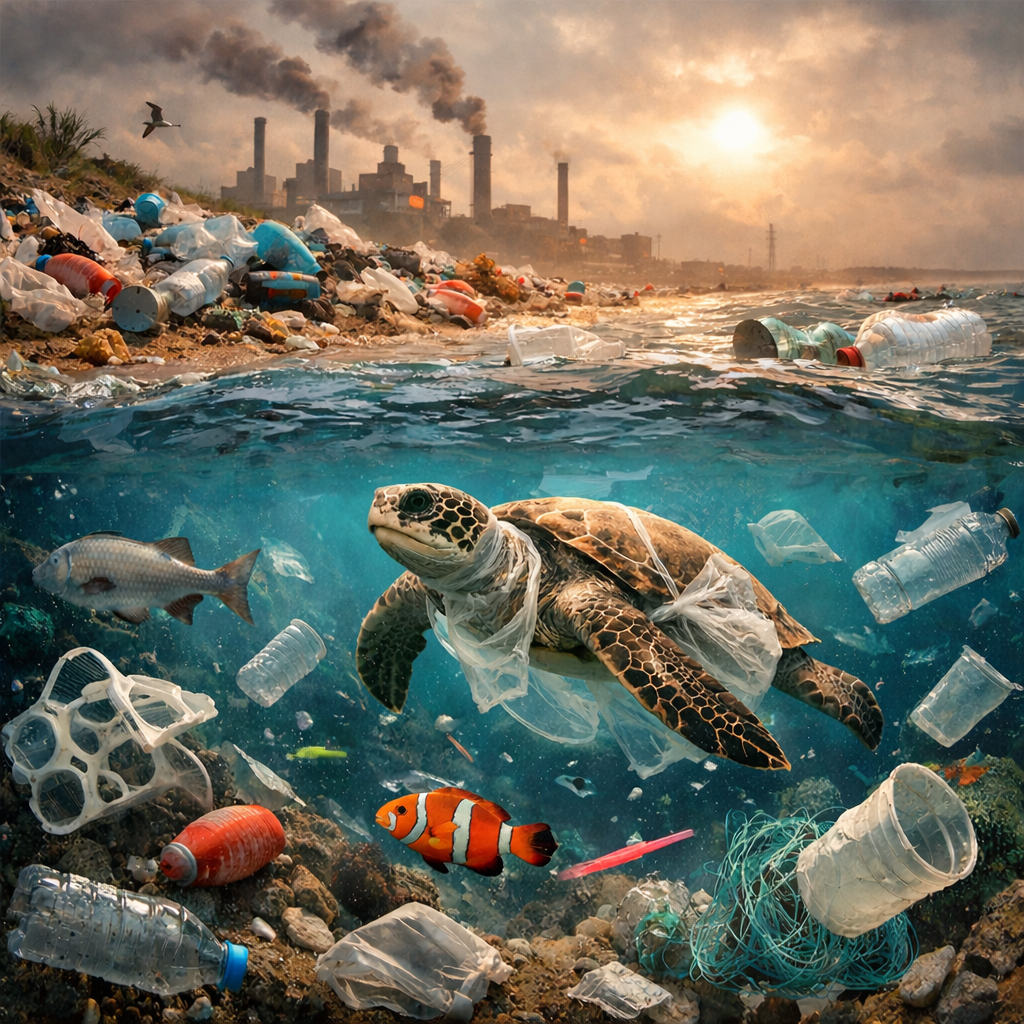
Air pollution affects more than just people it harms entire ecosystems. Forests, rivers, soil, and wildlife all suffer when air pollution contaminates the atmosphere.
- Climate Effects Linked to Air Pollution
Air pollution contributes to climate change by releasing greenhouse gases and black carbon. These pollutants trap heat in the atmosphere, meaning air pollution accelerates global warming and intensifies extreme weather events.
- Damage to Plants and Crops from Air Pollution
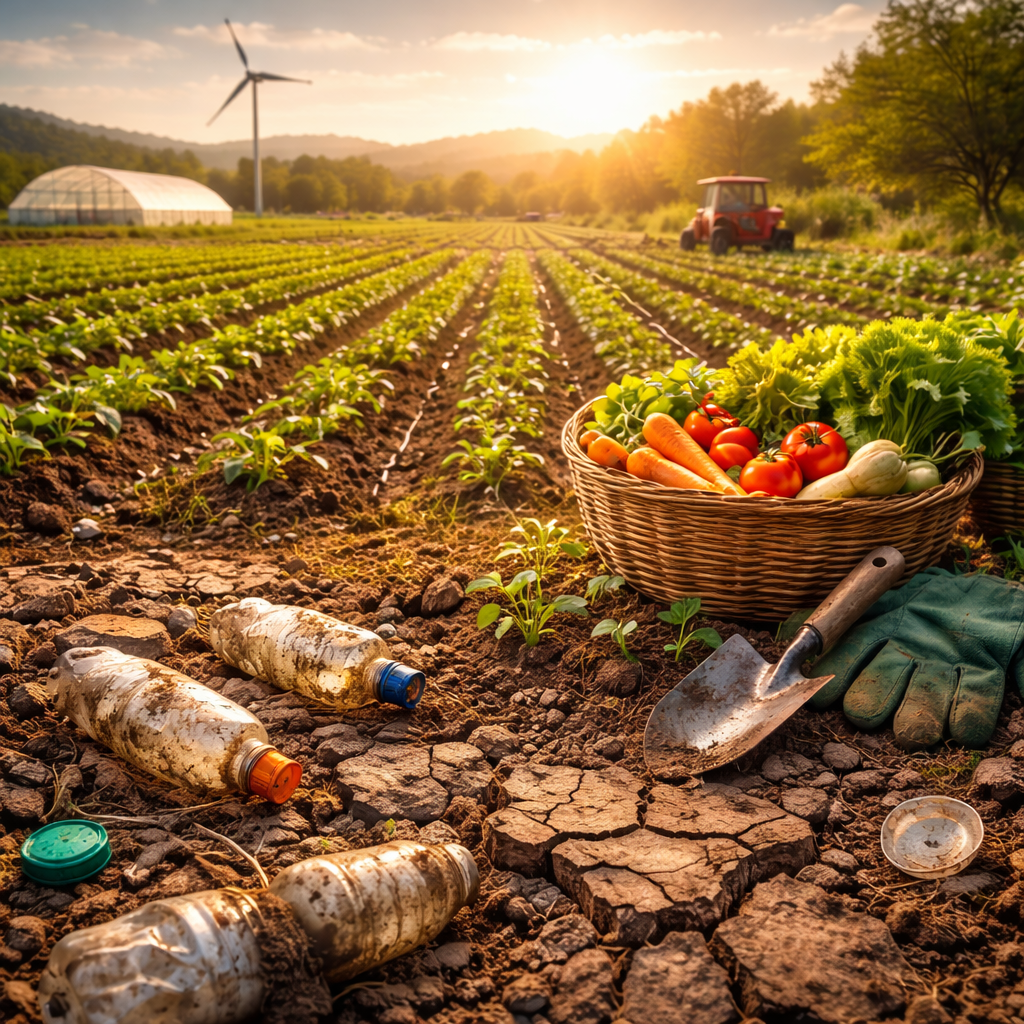
Agriculture is also vulnerable to air pollution. Pollutants can settle on leaves, reducing photosynthesis and crop yields. Over time, air pollution threatens food security by damaging farmland productivity.
Health Risks Associated with Air Pollution
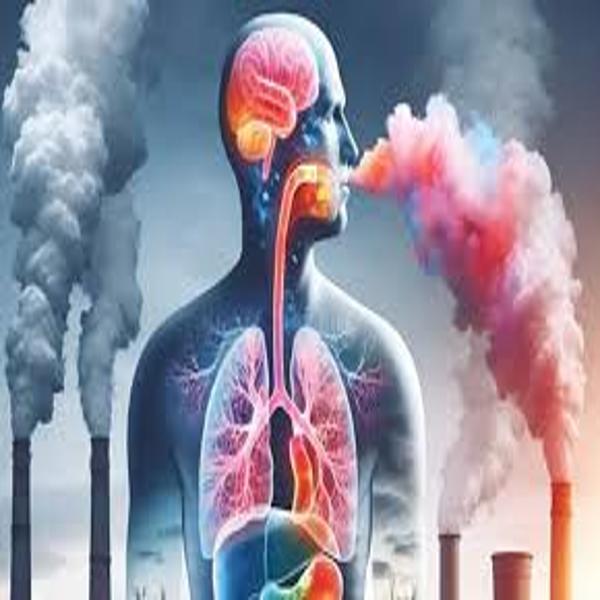
One of the most serious consequences of air pollution is its effect on human health. Medical research shows that air pollution exposure is linked to respiratory illnesses, heart disease, and weakened immune systems. Vulnerable groups such as children and older adults face the highest risk from air pollution.
- Short-Term Health Effects of Air Pollution
Short-term exposure to air pollution can cause coughing, eye irritation, headaches, and breathing difficulties. Even brief contact with high levels of air pollution may trigger asthma attacks or allergic reactions.
- Long-Term Health Consequences of Air Pollution
Long-term exposure to air pollution is far more dangerous. Continuous inhalation of polluted air can damage lungs, reduce life expectancy, and increase the risk of chronic diseases. Because air pollution particles are extremely small, they can enter the bloodstream and affect multiple organs.
Air Pollution Effects on Children’s Health
Air pollution poses serious risks to children’s health because their bodies and lungs are still developing. Compared to adults, children breathe faster and inhale more air relative to their body weight, which means they absorb more pollutants. Even low levels of air pollution can have lasting effects on a child’s growth, immunity, and brain development.
- Respiratory Problems
One of the most common effects of air pollution on children is damage to the respiratory system. Polluted air can irritate airways, causing:
- Asthma attacks
- Chronic cough
- Wheezing
- Reduced lung function
Long-term exposure can slow lung development and increase the risk of lifelong breathing disorders.
- Weakened Immune System
Air pollution weakens children’s immune defenses, making them more vulnerable to infections such as bronchitis and pneumonia. Pollutants can trigger inflammation in the body, which reduces the ability to fight germs effectively.
- Brain and Cognitive Development Issues
Recent research suggests air pollution can affect brain development. Exposure to polluted air during early childhood may lead to:
- Reduced concentration
- Memory problems
- Learning difficulties
- Behavioral issues
Some studies link prolonged exposure to higher risks of developmental disorders.
- Increased Risk of Chronic Diseases
Children exposed to polluted air early in life may face higher chances of developing chronic diseases later, including heart disease, diabetes, and respiratory illnesses. Early exposure can create long-term damage that continues into adulthood.
- Impact on Growth and Physical Development
Air pollution may interfere with normal growth by reducing oxygen supply in the body. This can affect physical development, energy levels, and overall well-being.
Economic Costs of Air Pollution
Air pollution does not only harm health and nature; it also affects economies. Governments spend billions treating illnesses caused by air pollution and repairing environmental damage. Lost productivity due to sickness and pollution-related disasters further increases the economic burden of air pollution.
- Urban Infrastructure and Air Pollution
Cities must invest heavily in cleaning systems, healthcare facilities, and monitoring technology to manage air pollution. These expenses highlight how costly air pollution can be for developing and developed countries alike.
- Why Air Pollution Is Difficult to Control
Reducing air pollution is challenging because modern societies depend on industries, transport, and energy systems that produce emissions. Air pollution is deeply connected to economic activity, making rapid changes complex and politically sensitive.
- Policy Challenges in Reducing Air Pollution
Strict laws can reduce air pollution, but they may also face resistance from industries concerned about costs.
- Public Awareness and Air Pollution
Another challenge is lack of awareness. Many people underestimate the dangers of air pollution, which slows public support for policies designed to reduce air pollution.
Practical Solutions to Reduce Air Pollution
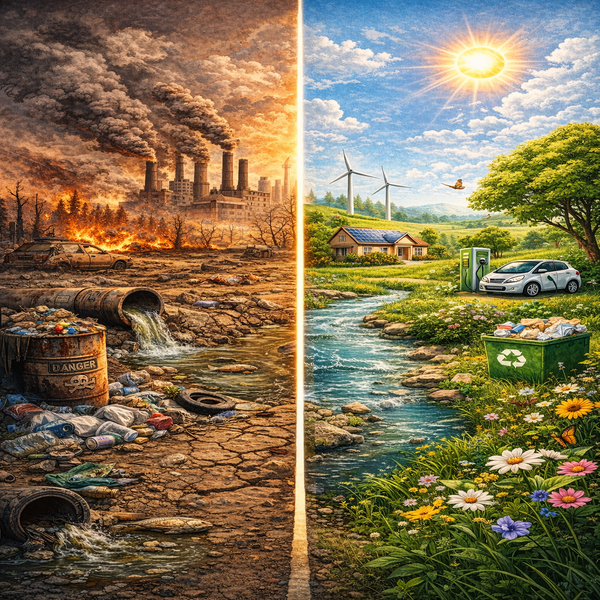
Although the problem is serious, air pollution can be reduced through practical and coordinated efforts. Combining policy reforms, technological innovation, and lifestyle changes can significantly lower air pollution levels.
- Government Actions Against Air Pollution
Governments can reduce air pollution by enforcing emission standards, investing in renewable energy, and improving public transport. Strong environmental policies have proven effective in lowering air pollution in several regions.
- Technological Innovations for Air Pollution Control
Technology plays a key role in fighting air pollution. Electric vehicles, clean energy systems, and advanced filtration devices can all reduce air pollution when widely adopted.
- Individual Steps to Fight Air Pollution
Individuals also play a part in reducing air pollution. Using public transport, conserving energy, planting trees, and avoiding waste burning can collectively decrease air pollution.
The Future Outlook for Air Pollution
If current trends continue, air pollution could worsen in many parts of the world. However, with strong global cooperation, air pollution levels can decline. The future of air pollution depends on decisions made today regarding energy, transportation, and environmental protection.
Hope Through Global Action on Air Pollution
International cooperation offers hope for reducing air pollution. When countries work together to share technology, policies, and research, they can tackle air pollution more effectively than acting alone.