



Introduction
Food safety plays a critical role in maintaining overall health and preventing diseases. In 2026, understanding food safety and public health: what you must know has become essential due to increasing food contamination risks, global supply chains, and changing eating habits.
Unsafe food can lead to serious health problems, including food-borne illnesses, infections, and long-term health complications. By following proper food safety practices, individuals and communities can protect themselves and promote public health.
What Is Food Safety?
Food safety refers to the handling, preparation, and storage of food in ways that prevent contamination and reduce the risk of illness. It involves maintaining hygiene and ensuring that food is safe to consume. The concept of food safety and public health: what you must know focuses on minimizing the risk of harmful bacteria, viruses, and toxins entering the food chain.
Importance of Food Safety in Public Health
Contaminated food can spread diseases rapidly, affecting large populations.
Key Reasons Why Food Safety Matters:
- Prevents food-borne illnesses
- Protects vulnerable populations like children and elderly
- Reduces healthcare costs
- Ensures nutritional quality
Understanding food safety and public health: what you must know helps in building a healthier society.
Common Foodborne Diseases
Common Examples:
- Food poisoning
- Salmonella infections
- coli infections
- Listeria contamination
Symptoms may include nausea, vomiting, diarrhea, fever, and stomach pain. Preventing these diseases is a major goal of food safety and public health: what you must know.
Causes of Food Contamination
Major Causes:
- Poor hygiene during food handling
- Improper cooking or storage
- Cross-contamination between raw and cooked food
- Contaminated water or raw materials
Addressing these issues is essential for improving food safety and public health: what you must know.
Essential Food Safety Practices
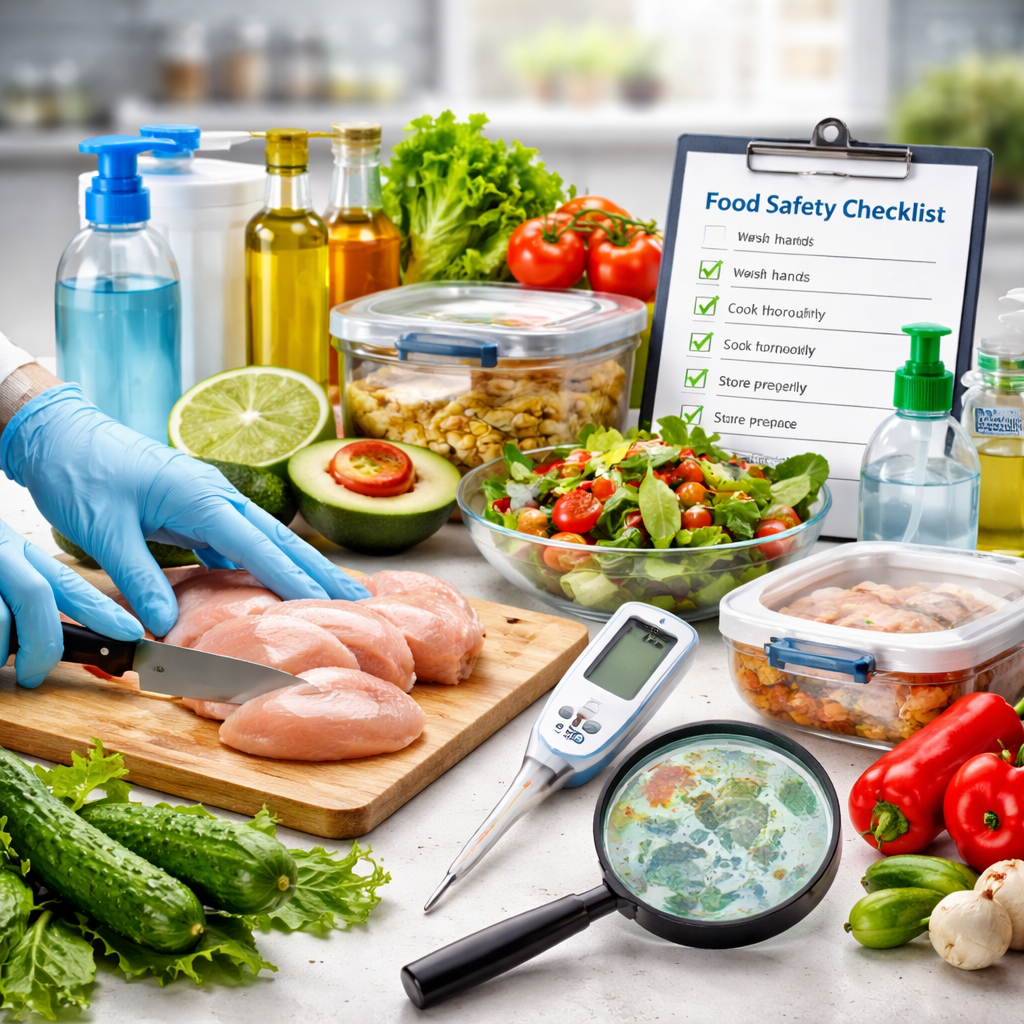
Following basic food safety practices can significantly reduce health risks.
1. Maintain Cleanliness
Wash hands, utensils, and surfaces regularly to prevent contamination.
2. Cook Food Properly
3. Store Food Safely
Keep perishable foods refrigerated and avoid leaving them at room temperature for too long.
4. Avoid Cross-Contamination
Separate raw and cooked foods to prevent the spread of bacteria.
5. Use Safe Water and Ingredients
Always use clean water and fresh ingredients when preparing food.
These practices highlight the importance of food safety and public health: what you must know in everyday life.
Role of Government and Regulations
Governments play a vital role in ensuring food safety through policies and regulations.
Key Responsibilities:
- Setting food safety standards
- Monitoring food production and distribution
- Conducting inspections and quality checks
- Raising public awareness
Strong regulations support the implementation of food safety and public health: what you must know at a national and global level.
Impact of Unsafe Food on Public Health
Unsafe food has serious consequences for individuals and communities.
Health Impacts:
- Increased disease outbreaks
- Malnutrition due to unsafe food
- Long-term health complications
Economic Impacts:
- Higher healthcare costs
- Loss of productivity
- Damage to food industries
Reducing these risks is essential for strengthening food safety and public health: what you must know.
Food Safety in 2026: Emerging Challenges
Modern food systems face new challenges that affect safety and public health.
Key Challenges:
- Global food supply chains
- Climate change affecting food quality
- Increased consumption of processed foods
- Food fraud and adulteration
Addressing these challenges is crucial for improving food safety and public health: what you must know in the future.
Tips for Consumers
Individuals can take simple steps to ensure food safety at home.
Practical Tips:
- Wash fruits and vegetables thoroughly
- Check expiration dates
- Avoid eating undercooked food
- Store leftovers properly
- Buy food from trusted sources
These small actions can make a big difference in promoting food safety and public health: what you must know.