










Introduction
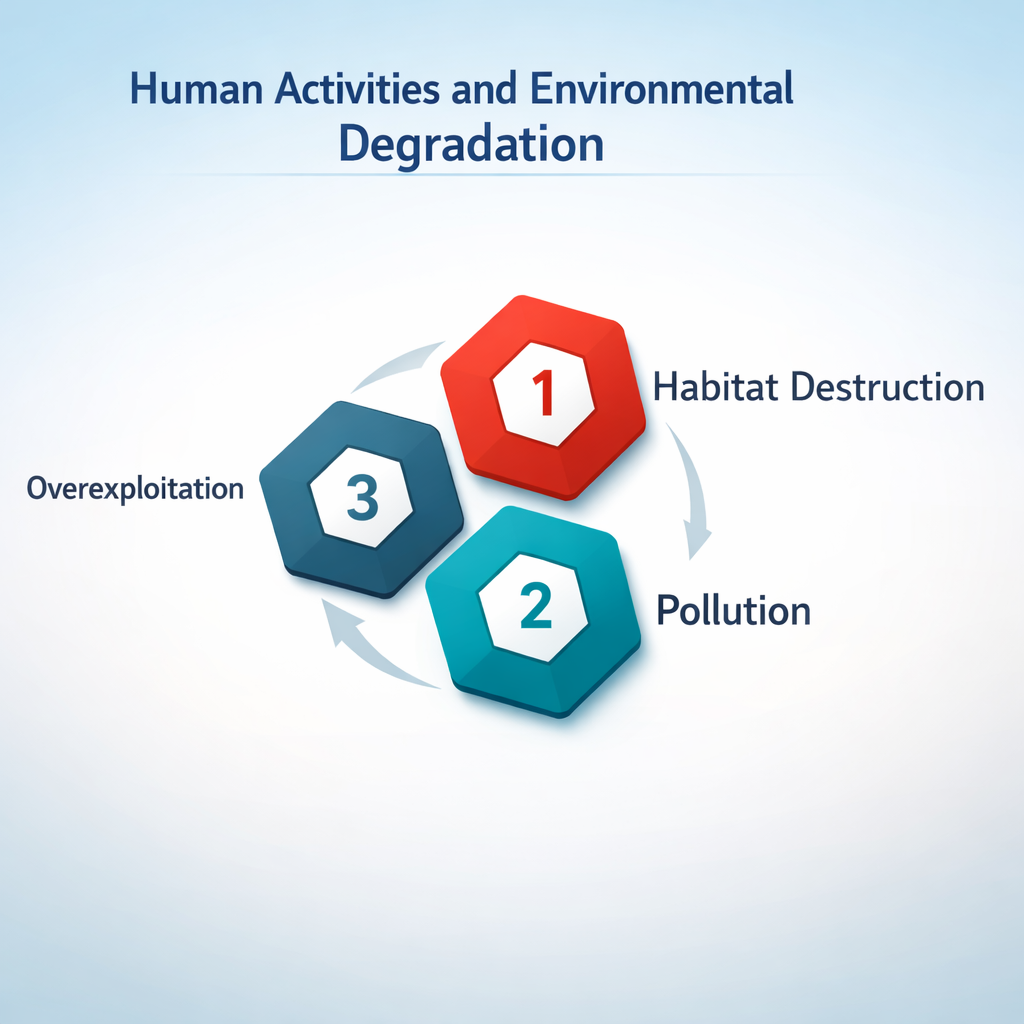
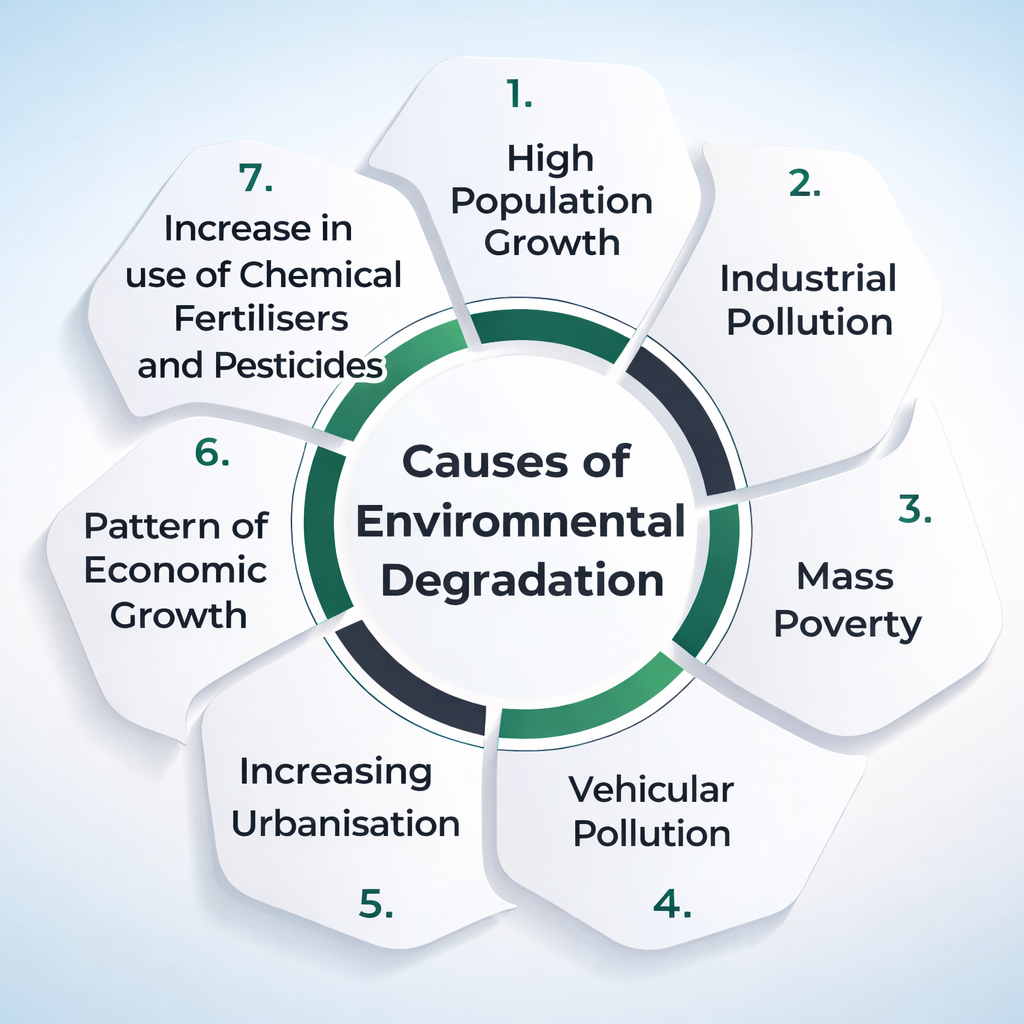
Environmental problems are increasing at an alarming rate across the globe. The phrase Environmental Degradation: How Human Activities Are Responsible perfectly describes the reality of today’s world. Human development, industrial growth, urban expansion, and excessive consumption of natural resources have severely damaged ecosystems.
Understanding “Environmental Degradation: How Human Activities Are Responsible” is essential for creating sustainable policies and encouraging responsible lifestyles. Environmental degradation is not just about pollution; it includes climate change, soil erosion, water contamination, and biodiversity loss. Human activities have accelerated these problems beyond natural recovery levels.
If current patterns continue, environmental damage may become irreversible. Therefore, recognizing “Environmental Degradation: How Human Activities Are Responsible” is the first step toward positive change.
Environmental Degradation: How Human Activities Are Responsible for Air Pollution
Air pollution is one of the clearest examples of Environmental Degradation: How Human Activities Are Responsible. Industries, vehicles, and power plants burn fossil fuels daily, releasing harmful gases such as carbon dioxide and sulfur dioxide.
According to the Intergovernmental Panel on Climate Change, greenhouse gas emissions from human activities are the primary cause of global warming. When we analyze Environmental Degradation: How Human Activities Are Responsible, air pollution stands out as a major factor contributing to respiratory diseases, acid rain, and ozone depletion.
Environmental Degradation: How Human Activities Are Responsible for Greenhouse Gas Emissions
Greenhouse gases trap heat in the atmosphere. This imbalance disrupts climate systems and leads to global warming. The discussion of Environmental Degradation: How Human Activities Are Responsible becomes stronger when examining industrial emissions and transportation systems that depend heavily on fossil fuels.
Environmental Degradation: How Human Activities Are Responsible for Deforestation
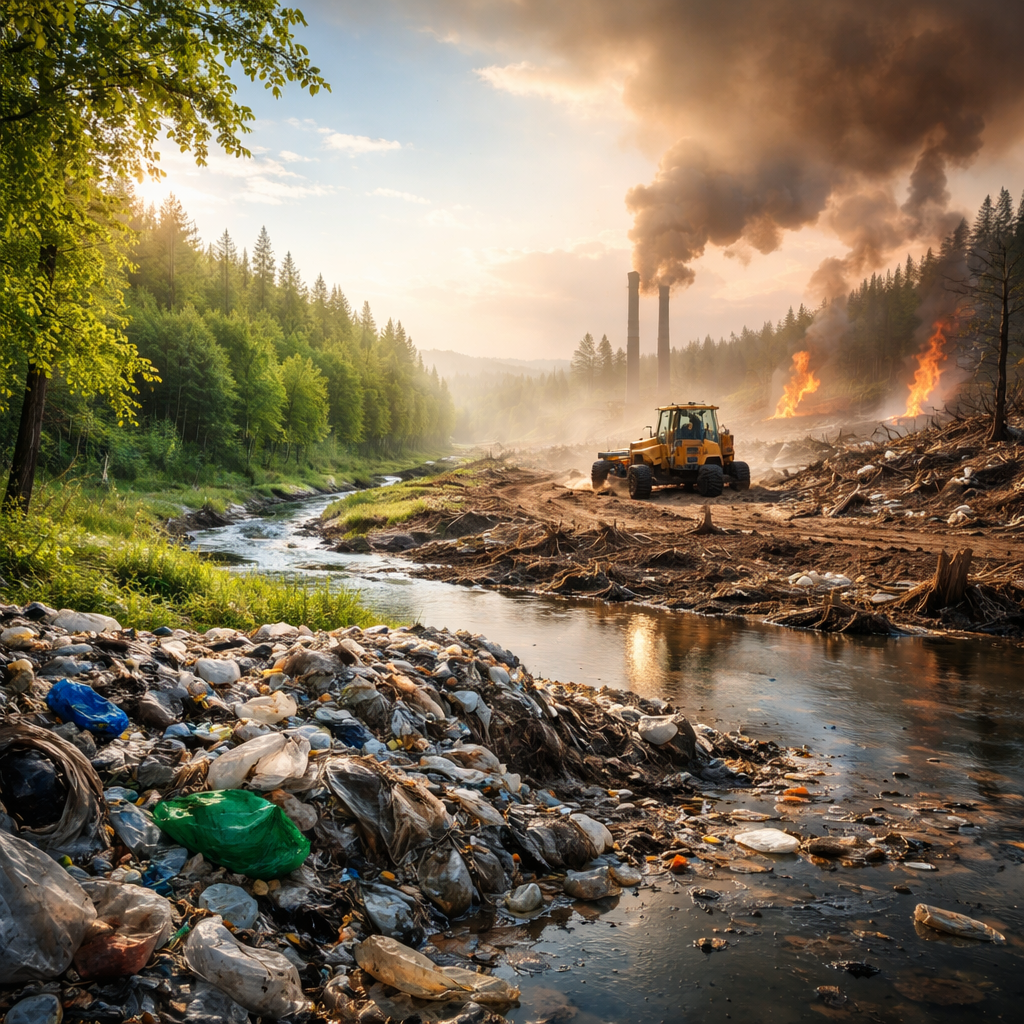
Forests participate a vital function in maintaining environmental equilibrium. They absorb carbon dioxide and provide oxygen. However, logging, agriculture, and urban development are destroying forests at a rapid rate. The connection between Environmental Degradation: How Human Activities Are Responsible and deforestation is undeniable. Clearing forests leads to:
- Habitat destruction
- Loss of biodiversity
- Soil erosion
- Reduced rainfall
The United Nations Environment Programme reports that deforestation significantly contributes to global carbon emissions. Without forest conservation, environmental degradation will continue to worsen.
Environmental Degradation: How Human Activities Are Responsible for Habitat Loss
Wildlife depends on forests and natural ecosystems for survival. When humans expand cities and agricultural land, animal habitats are destroyed. This demonstrates once again how Environmental Degradation: How Human Activities Are Responsible for accelerating species extinction and ecosystem imbalance.
Environmental Degradation: How Human Activities Are Responsible for Water Pollution
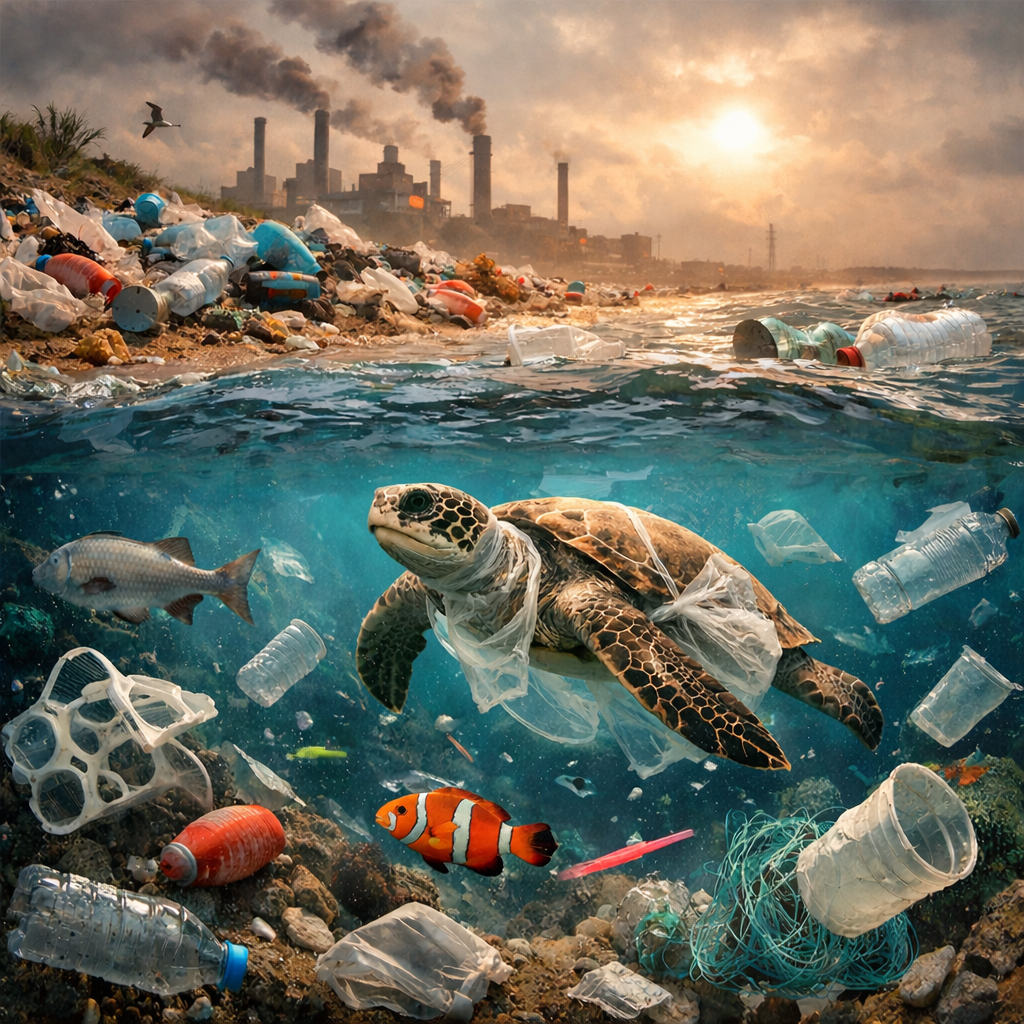
Water pollution is another serious outcome of human behavior. Factories discharge waste into rivers, and agricultural runoff carries pesticides into water bodies. When discussing Environmental Degradation: How Human Activities Are Responsible polluted rivers and contaminated drinking water highlights the urgent need for regulation and environmental awareness. Plastic contamination has turn out to be a worldwide disaster. Millions of tons of plastic waste enter oceans annually, harming marine life and entering the food chain.
Environmental Degradation: How Human Activities Are Responsible for Marine Ecosystem Damage
Marine ecosystems suffer from oil spills, chemical waste, and overfishing. Coral reefs are bleaching due to rising ocean temperatures. These issues reinforce the argument that Environmental Degradation: How Human Activities Are Responsible for disturbing even the most distant ecosystems on Earth.
Environmental Degradation: How Human Activities Are Responsible for Soil Degradation
Modern agriculture uses chemical fertilizers and pesticides to increase crop production. However, excessive chemical use reduces soil fertility and contaminates groundwater. Overgrazing and deforestation further contribute to land degradation. The theme Environmental Degradation: How Human Activities Are Responsible becomes evident in areas experiencing desertification and declining agricultural productivity. Sustainable farming practices are necessary to reduce environmental damage.
Environmental Degradation: How Human Activities Are Responsible for Climate Change
Climate change represents the most alarming result of human-driven environmental damage. Rising global temperatures cause floods, droughts, and extreme weather events. The phrase Environmental Degradation: How Human Activities Are Responsible explains why human industrial and transportation systems are central to climate disruption. Countries worldwide are experiencing:
- Increased heat waves
- Rising sea levels
- Glacial melting
- Agricultural losses
Without global cooperation, climate-related disasters may intensify further.
Environmental Degradation: How Human Activities Are Responsible for Urban Environmental Problems
Rapid urbanization increases pollution and waste production. Cities require large amounts of energy and water, leading to resource depletion. Improper waste management results in landfill overflow and toxic contamination. The concept of Environmental Degradation: How Human Activities Are Responsible becomes visible in heavily polluted metropolitan areas. Urban heat islands are another example, where cities become significantly warmer due to concrete structures replacing green spaces.
Solutions to Address Environmental Degradation: How Human Activities Are Responsible
Although humans are responsible for environmental degradation, humans can also provide solutions.
- Transition to Renewable Energy
Solar and wind energy reduce dependence on fossil fuels.
- Promote Sustainable Agriculture
Organic farming and crop rotation protect soil health.
- Encourage Forest Conservation
Tree plantations programs help restore ecological balance.
- Improve Waste Management
Recycling and reducing plastic use can lower pollution levels.
- Environmental Education
Public awareness about Environmental Degradation: How Human Activities Are Responsible encourages responsible behavior. Individual Responsibility in Environmental Degradation: How Human Activities Are Responsible Individuals contribute to environmental damage through excessive consumption and waste generation. Simple steps include:
- Conserving electricity
- Using public transport
- Avoiding single-use plastics
- Supporting eco-friendly products
When communities act collectively, the impact becomes significant.