

Introduction
Plastic pollution has rapidly become the defining environmental issue of our time. Once praised for its convenience and durability, plastic is now recognized as a persistent pollutant that damages ecosystems, threatens biodiversity, and harms human health. Experts widely agree that plastic pollution is not just a waste problem but a global environmental emergency requiring urgent action.
Plastic Pollution and Its Global Rise
The rise of plastic pollution is closely tied to industrial growth and modern consumer lifestyles. Over the past fifty years, global plastic production has increased dramatically, and with it, plastic pollution has spread to nearly every corner of the planet. From deep ocean trenches to mountain peaks, traces of plastic pollution are now found even in places untouched by human settlement.
- How Plastic Pollution Spread Worldwide
Plastic pollution spread rapidly because plastics are cheap, lightweight, and versatile. These qualities made plastic products popular, but they also allowed plastic pollution to travel long distances through wind, rivers, and ocean currents.
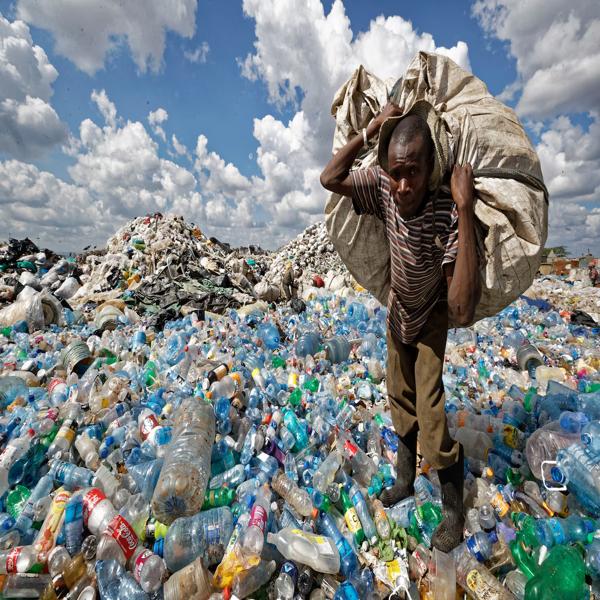
According to estimates from the United Nations Environment Programme, the world produces over 400 million tons of plastic annually, and a large portion becomes waste within a short time. Much of this plastic pollution is single-use packaging that is discarded after one use.
- Why Plastic Pollution Keeps Increasing
One major reason plastic pollution keeps rising is the dominance of single-use plastics. Disposable bags, bottles, wrappers, and containers are used for minutes but remain in the environment for centuries, worsening plastic pollution every year.
Environmental Damage Caused by Plastic Pollution
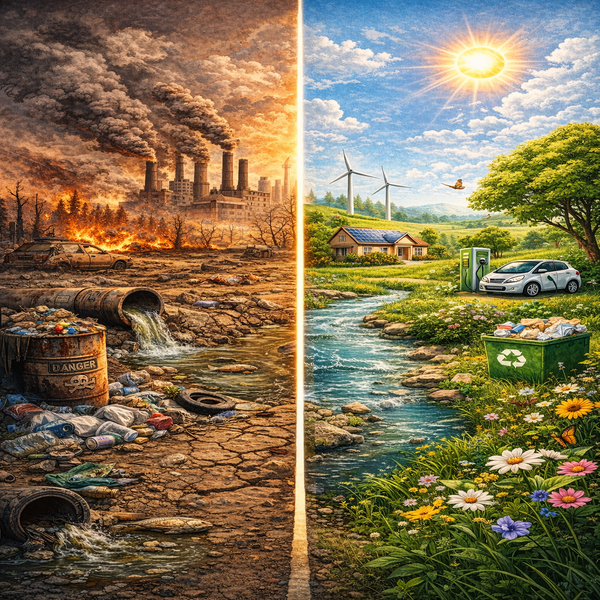
Plastic pollution harms nature in multiple ways, making it the biggest environmental threat today. It affects land, water, wildlife, and even the atmosphere simultaneously.
- Plastic Pollution in Oceans
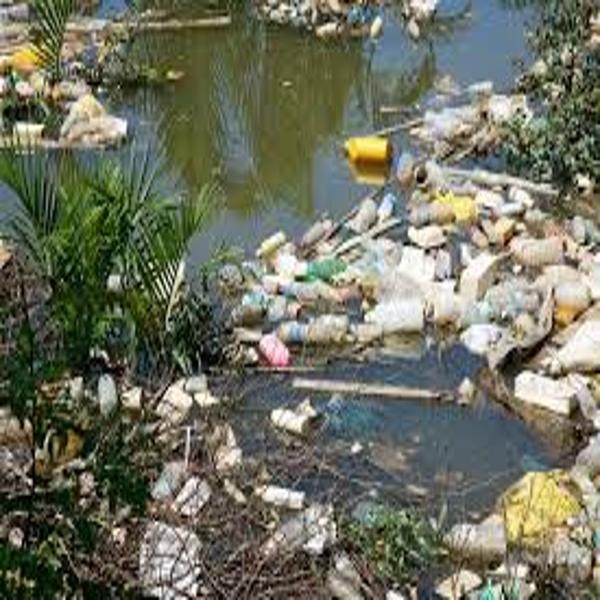
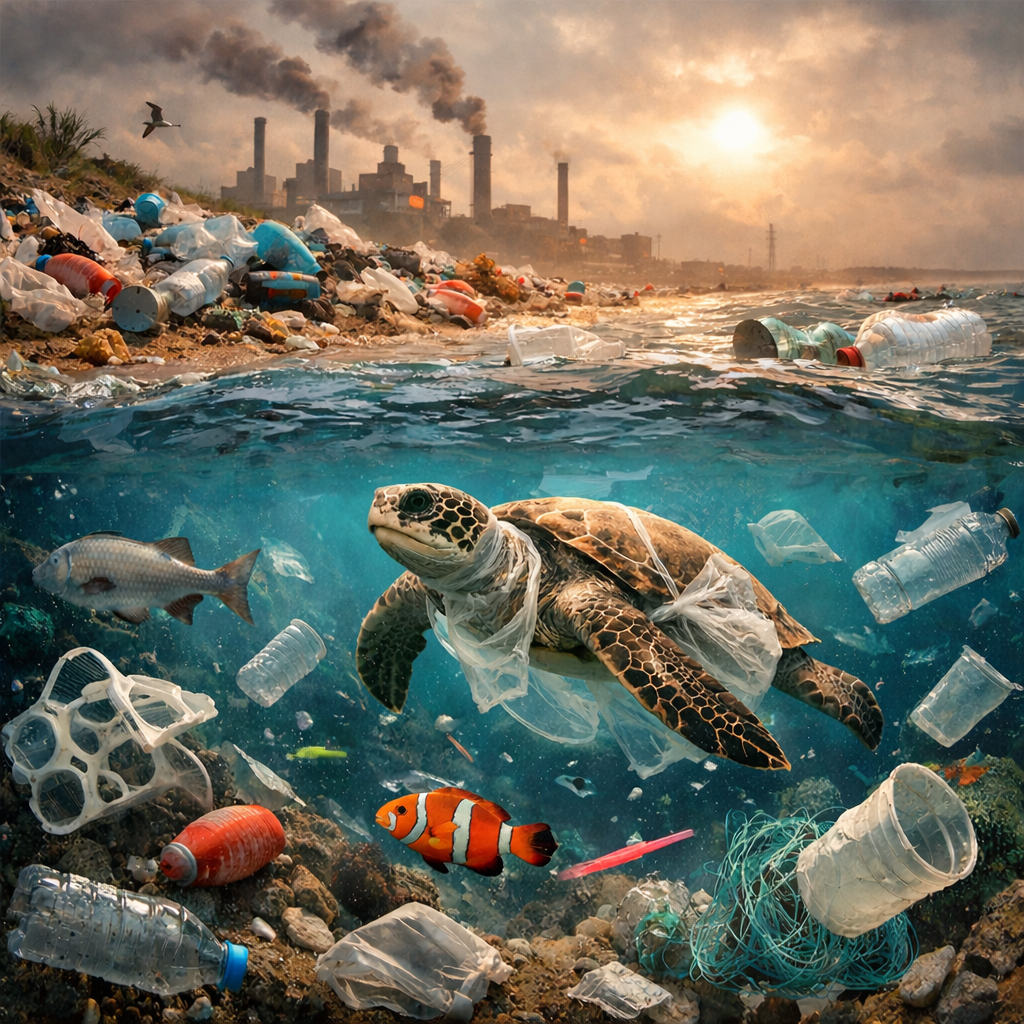
Marine environments suffer greatly from plastic pollution. Millions of tons of plastic waste enter the seas annually, where plastic pollution entangles marine animals, damages coral reefs, and disrupts aquatic ecosystems.
- Effects of Ocean Plastic Pollution on Marine Life
Ocean plastic pollution causes ingestion and suffocation among sea creatures. Many animals mistake plastic fragments for food, leading to injury or death and spreading plastic pollution through the food chain.
- Plastic Pollution on Land
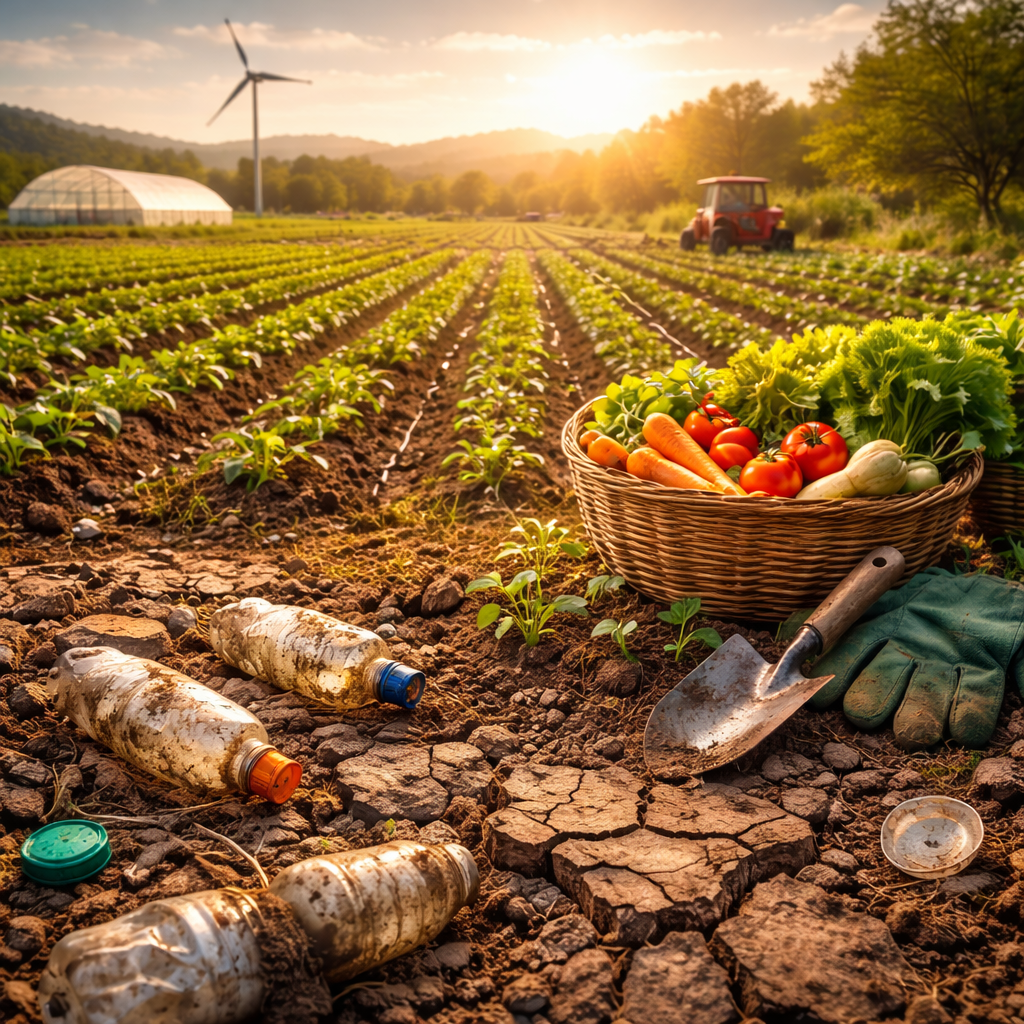
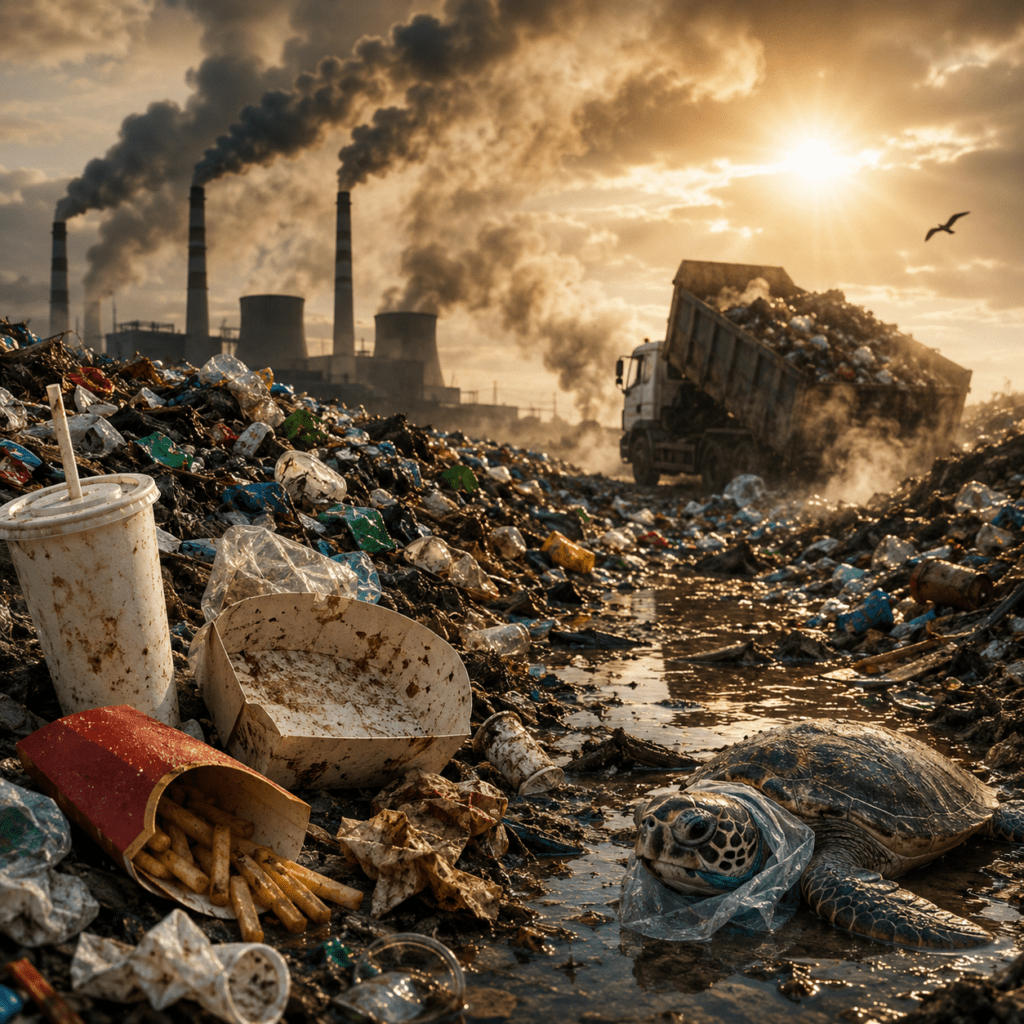
Plastic pollution is equally destructive on land. Overflowing landfills, roadside litter, and illegal dumping sites all contribute to plastic pollution that contaminates soil and reduces land productivity.
- Soil Contamination from Plastic Pollution
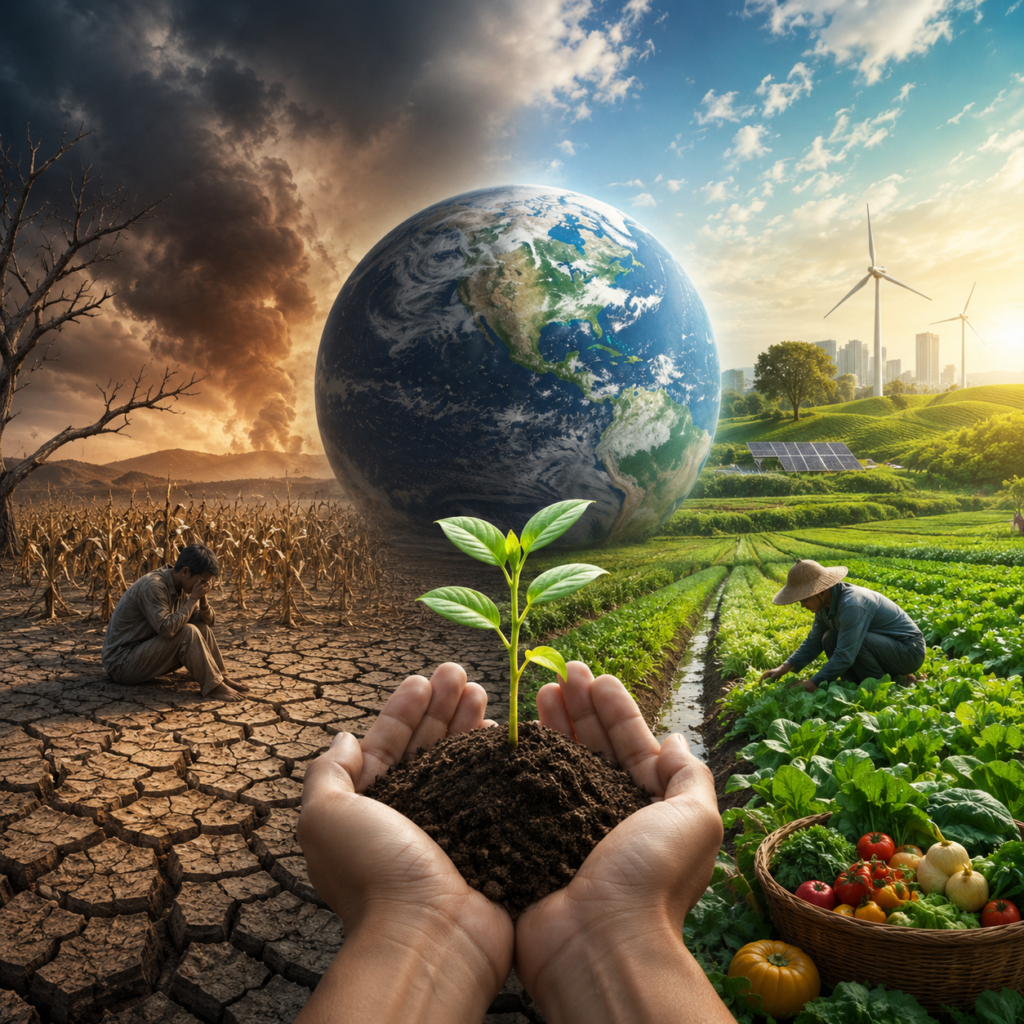
Plastic pollution releases harmful chemicals into soil as it breaks down. These toxins interfere with plant growth and reduce soil fertility, making plastic pollution a serious agricultural concern.
Plastic Pollution and Human Health Risks
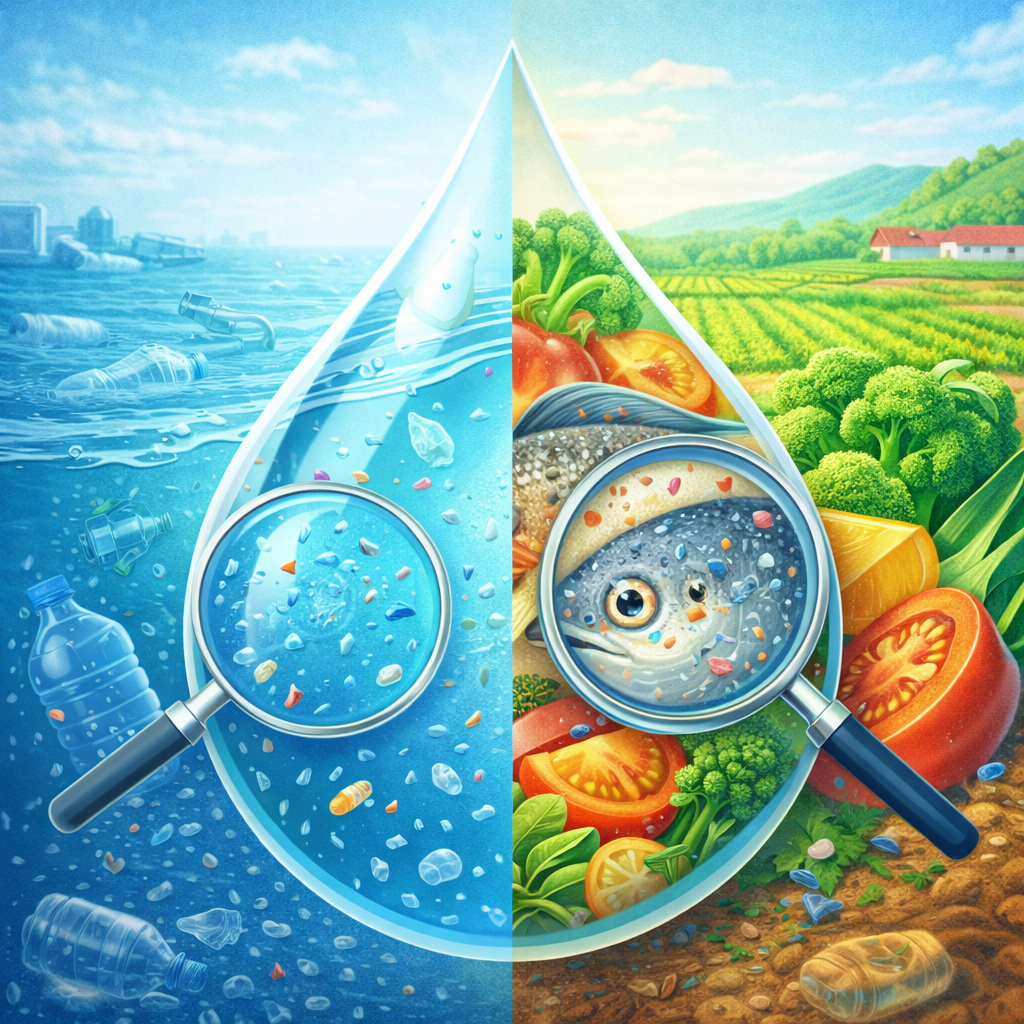
Plastic pollution is not just an environmental issue; it is also a public health concern. Scientists have discovered micro-plastics in drinking water, seafood, and even the air we breathe. This means plastic pollution directly affects human bodies.
- Toxic Chemicals from Plastic Pollution
Plastic pollution contains additives such as BPA and phthalates that can disrupt hormones and affect development. Long-term exposure to plastic pollution toxins may increase risks of chronic diseases.
- Micro-plastics and Plastic Pollution Exposure
Micro-plastics are tiny fragments created when plastic pollution breaks down. Because of their small size, they can enter the bloodstream through food or inhalation, making plastic pollution especially dangerous.
Climate Change Link to Plastic Pollution
Many people do not realize that plastic pollution contributes to climate change. Plastics are made from fossil fuels, and their production releases greenhouse gases. As plastic pollution grows, so does its climate impact.
- Emissions Created by Plastic Pollution Production
Manufacturing plastics requires energy-intensive processes. These processes release carbon emissions, meaning plastic pollution contributes directly to global warming.
- Waste Burning and Plastic Pollution Emissions
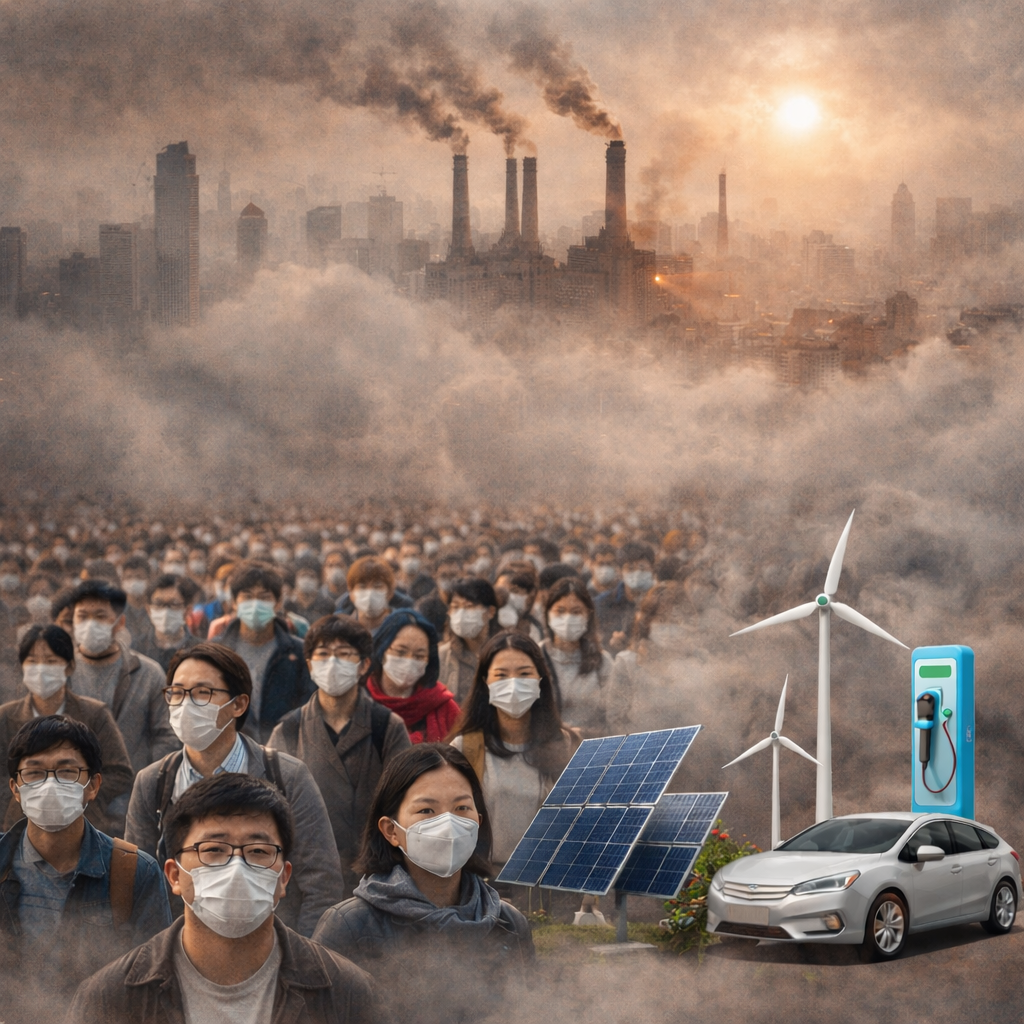
In many regions, waste is burned to reduce landfill volume. Burning plastic pollution releases toxic fumes and greenhouse gases, worsening both air pollution and climate change.
Economic Costs of Plastic Pollution
Plastic pollution also creates financial burdens for governments and industries. Cleaning beaches, repairing drainage systems, and managing waste all require significant resources. Tourism declines in polluted areas, while fisheries suffer when plastic pollution damages marine habitats.
- Infrastructure Damage from Plastic Pollution
Plastic pollution clogs drains and waterways, leading to flooding and sanitation problems. Cities must spend millions annually to fix problems caused by plastic pollution.
Why Plastic Pollution Is Hard to Solve
Plastic pollution is difficult to eliminate because plastics are deeply integrated into modern life. Packaging, electronics, healthcare, and transportation all rely heavily on plastics. This dependence means plastic pollution cannot be solved overnight.
- Recycling Limits in Plastic Pollution Control
Although recycling helps, it is not enough to stop plastic pollution. Only a small percentage of plastic waste is recycled globally, allowing plastic pollution to continue accumulating.
- Waste Management Challenges and Plastic Pollution
Many developing regions lack proper waste systems, which allows plastic pollution to spread into rivers and oceans. Without infrastructure improvements, plastic pollution will remain a persistent problem.
Solutions to Reduce Plastic Pollution
Despite the seriousness of the crisis, plastic pollution can be reduced through coordinated efforts among governments, businesses, and individuals.
- Government Policies Against Plastic Pollution
Bans on single-use plastics, improved recycling programs, and stricter regulations can significantly reduce plastic pollution at national and global levels.
- Corporate Responsibility in Plastic Pollution Reduction
Companies can help control plastic pollution by redesigning packaging, using biodegradable materials, and adopting circular economy models that reuse resources instead of discarding them.
- Individual Actions to Fight Plastic Pollution
Everyday habits play a major role in limiting plastic pollution. Using reusable bags, bottles, and containers helps reduce demand for disposable plastics and lowers plastic pollution generation.
Future Innovations Addressing Plastic Pollution
Researchers are developing new technologies to tackle plastic pollution more effectively. Biodegradable plastics, advanced recycling systems, and waste-to-energy solutions are promising tools in the fight against plastic pollution.
Scientific Advances Targeting Plastic Pollution
Innovations such as enzyme-based recycling and plastic-eating microbes show potential for breaking down plastic pollution faster than natural processes.
The Urgency of Addressing Plastic Pollution Now
Plastic pollution continues to accumulate each year, and delays in action will make the problem harder to reverse. Because plastic pollution persists for centuries, today’s waste will affect generations to come. Immediate steps are necessary to prevent irreversible environmental damage.